Avantages de la mise en œuvre d’un cadre d’organisation apprenante dans les chaînes d’approvisionnement des caissons pétroliers
Stratégies pour améliorer le partage des connaissances et la collaboration dans le développement de la chaîne d’approvisionnement des caissons pétroliers
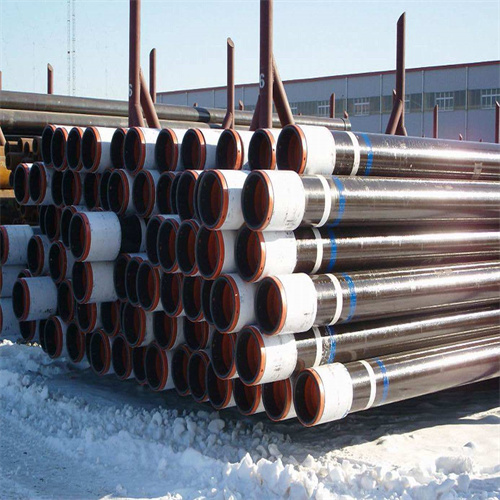
boîtier d’huile Chine meilleure entreprise
Études de cas sur des initiatives réussies d’apprentissage organisationnel dans les chaînes d’approvisionnement des caissons pétroliers
En outre, l’intégration des technologies numériques a révolutionné l’apprentissage et le développement au sein des chaînes d’approvisionnement du pétrole. Une étude de cas illustre comment un fournisseur leader a mis en œuvre un système de gestion de l’apprentissage numérique (LMS) pour proposer des modules de formation sur mesure à son personnel mondial. Cette plate-forme numérique a permis aux employés d’accéder au matériel de formation à tout moment et en tout lieu, favorisant ainsi l’apprentissage à leur rythme et l’amélioration des compétences. Le résultat a été une main-d’œuvre plus agile et plus compétente, capable de répondre r APIdement aux demandes des clients et aux fluctuations du marché.
Ces études de cas soulignent l’impact transformateur de l’apprentissage organisationnel sur la résilience et la compétitivité des chaînes d’approvisionnement de carters pétroliers. En adoptant une culture d’apprentissage continu, les entreprises améliorent non seulement l’efficacité opérationnelle et l’innovation, mais favorisent également une main-d’œuvre plus engagée et adaptable. De plus, les initiatives d’apprentissage collaboratif et les avancées numériques amplifient encore ces avantages, permettant aux organisations de garder une longueur d’avance dans un paysage industriel en évolution rapide.
En conclusion, le parcours pour devenir une organisation apprenante dans le secteur de la chaîne d’approvisionnement du carter pétrolier est marqué par des investissements stratégiques dans le développement des employés, le partage collaboratif des connaissances et l’adoption d’outils numériques. Comme le démontrent les études de cas susmentionnées, les organisations qui donnent la priorité à la formation contiNue sont mieux placées pour relever les défis, saisir les opportunités et pérenniser leur réussite à long terme dans un marché mondial de plus en plus complexe. En favorisant une culture d’apprentissage et d’adaptation, les entreprises de la chaîne d’approvisionnement en caissons pétroliers peuvent atteindre l’excellence opérationnelle tout en stimulant l’innovation et la croissance du secteur.
Central to the development of a learning organization is the establishment of robust knowledge management systems. These systems encompass both technological tools and organizational practices designed to capture, store, and disseminate valuable information throughout the supply chain. Through effective knowledge management, Companies can harness the collective intelligence of their workforce, identify best practices, and mitigate risks associated with operational disruptions.
Furthermore, promoting collaboration among stakeholders is essential for fostering a learning organization within the Oil Casing supply chain. Collaborative efforts facilitate the exchange of ideas, perspectives, and experiences, thereby enhancing problem-solving capabilities and promoting innovation. By engaging Suppliers, Manufacturers, distributors, and service providers in collaborative initiatives, companies can streamline processes, optimize resource utilization, and deliver superior products and services to their customers.
Continuous learning and development initiatives are also integral to the evolution of a learning organization. Investing in training programs, workshops, and seminars not only enhances the skills and competencies of employees but also instills a culture of curiosity and inquiry. By empowering individuals to expand their knowledge base and adapt to emerging trends, organizations can cultivate a workforce that is agile, resilient, and capable of driving sustainable growth.
Moreover, leadership plays a crucial role in shaping the trajectory of a learning organization. Executives and managers must champion learning initiatives, allocate resources effectively, and provide unwavering support for knowledge sharing efforts. By demonstrating a commitment to continuous improvement and fostering a climate of trust and openness, leaders can inspire employees to embrace change, experiment with new ideas, and contribute to the collective learning agenda.
In conclusion, the journey towards becoming a learning organization in the oil casing supply chain involves a multifaceted approach that integrates knowledge management, collaboration, continuous learning, and visionary leadership. By embracing these principles, companies can position themselves as industry leaders, capable of navigating complexities, capitalizing on opportunities, and delivering value to stakeholders. As the industry continues to evolve, organizations that prioritize learning and innovation will undoubtedly emerge stronger and more resilient in an increasingly competitive global market.
This commitment to fostering a learning organization not only enhances operational efficiency and effectiveness but also cultivates a culture of excellence and adaptability. By investing in the development of their people and leveraging collective knowledge, companies can forge ahead in the oil casing supply chain landscape, setting new benchmarks for success and sustainability.
Case Studies on Successful Organizational Learning Initiatives in Oil Casing Supply Chains
In the dynamic world of oil casing supply chains, the concept of a learning organization has emerged as a crucial factor for sustained success and adaptability. A learning organization continually evolves by integrating new knowledge and experiences into its operations, fostering innovation, efficiency, and resilience. This article explores several case studies that highlight successful initiatives in developing learning organizations within the oil casing supply chain sector.
One notable case study involves a multinational oil Company that recognized the need to enhance its supply chain’s responsiveness to market changes and technological advancements. Through a systematic approach to organizational learning, the company implemented regular knowledge-sharing sessions among its global teams. These sessions not only facilitated the dissemination of best practices but also encouraged cross-functional collaboration. As a result, the company achieved significant improvements in lead times and cost efficiencies, thereby enhancing its competitive edge in the market.
Similarly, another case study focuses on a medium-sized oil casing Manufacturer that embarked on a journey to transform into a learning organization. The company initiated a comprehensive training program aimed at equipping its workforce with the latest industry trends and technical skills. By investing in continuous learning and development, the manufacturer not only boosted employee morale and retention but also witnessed a notable reduction in production errors and waste. This strategic shift towards becoming a learning organization enabled the company to deliver higher-quality products while maintaining competitive pricing.
In addition to corporate initiatives, collaborative learning efforts within industry associations have also played a pivotal role in advancing organizational learning within the oil casing supply chain. For instance, a consortium of Oil and Gas companies formed a knowledge-sharing platform where members could exchange insights on supply chain innovations and challenges. This collaborative approach not only accelerated learning across the sector but also fostered a culture of continuous improvement and adaptation to evolving market dynamics.

Furthermore, the integration of digital technologies has revolutionized learning and development within oil casing supply chains. One case study illustrates how a leading supplier implemented a digital learning management system (LMS) to deliver tailored training modules to its global workforce. This digital platform allowed employees to access learning Materials anytime, anywhere, thereby promoting self-paced learning and skill enhancement. The result was a more agile and knowledgeable workforce capable of swiftly responding to customer demands and market fluctuations.
These case studies underscore the transformative impact of organizational learning on the resilience and competitiveness of oil casing supply chains. By embracing a culture of continuous learning, companies not only enhance operational efficiency and innovation but also foster a more engaged and adaptable workforce. Moreover, collaborative learning initiatives and digital advancements further amplify these benefits, enabling organizations to stay ahead in a rapidly evolving industry landscape.
In conclusion, the journey towards becoming a learning organization in the oil casing supply chain sector is marked by strategic investments in employee development, collaborative knowledge-sharing, and the adoption of digital tools. As demonstrated by the aforementioned case studies, organizations that prioritize continuous learning are better positioned to navigate challenges, seize opportunities, and sustain long-term success in an increasingly complex global market. By fostering a culture of learning and adaptation, oil casing supply chain companies can achieve operational excellence while driving innovation and growth in the industry.