Perturbations de la chaîne d’approvisionnement et problèmes logistiques
Tension géopolitique et conflits régionaux
En conclusion, la fluctuation des prix du marché du pétrole est profondément influencée par les tensions géopolitiques et les conflits régionaux qui façonnent le paysage énergétique mondial. Ces facteurs créent un réseau complexe de dynamiques d’offre et de demande, dans lequel l’instabilité politique, les sanctions économiques et les rivalités stratégiques jouent toutes un rôle essentiel dans la détermination des résultats du marché. À mesure que les tensions géopolitiques évoluent, les incertitudes auxquelles est confronté le marché du tubage pétrolier augmenteront également, soulignant la nécessité pour les parties prenantes de suivre de près les évolutions géopolitiques et d’adapter leurs stratégies en conséquence. En comprenant ces interconnexions, les acteurs de l’industrie peuvent mieux gérer les défis et les opportunités présentés par les fluctuations géopolitiques des prix du marché des caissons pétroliers.
The fluctuation of Oil Casing market Prices is intricately tied to geopolitical tensions and regional conflicts that ripple across global energy markets. Understanding these dynamics requires a nuanced examination of how political instability, international relations, and regional disputes can impact the supply and demand dynamics of oil and, consequently, its associated products like oil casings.
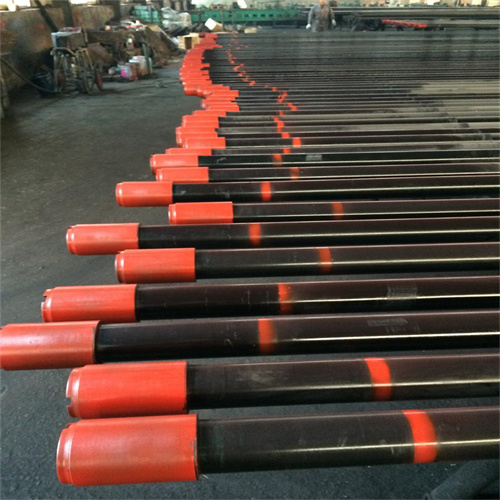
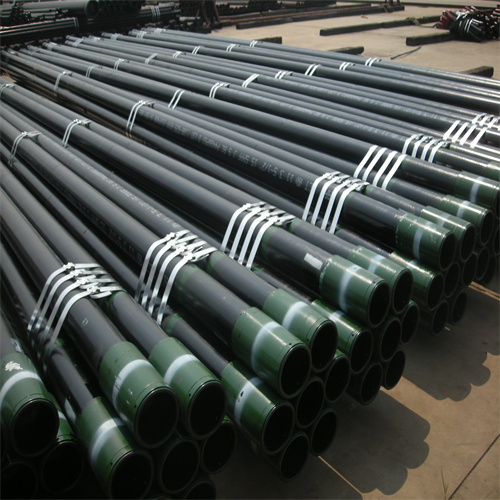
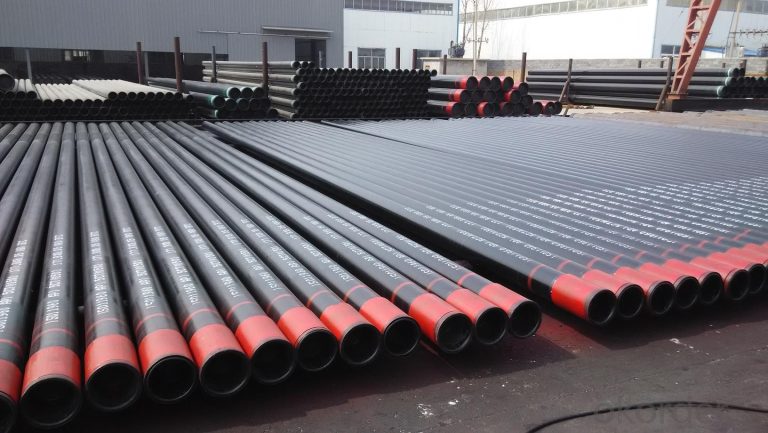
Geopolitical tensions often serve as a catalyst for market uncertainty. When countries experience political unrest or engage in conflicts, the stability of oil production and transportation can be severely disrupted. oil-producing regions that are affected by conflicts may see a reduction in output or face logistical challenges in delivering crude oil to refineries and ultimately to market. Such disruptions create a supply shock, where the availability of oil casings, essential for drilling and extraction operations, becomes uncertain. This uncertainty directly influences prices as market participants weigh the risks associated with supply interruptions.
Furthermore, regional conflicts can lead to broader economic sanctions or embargoes, which restrict the flow of oil and increase the cost of doing business in affected areas. These sanctions may target specific countries or entities involved in conflicts, affecting their ability to produce or export oil. As a result, the global oil market adjusts to accommodate these geopolitical realities, with oil casing Prices reflecting the heightened risk premiums associated with uncertain supply chains and geopolitical instability.
The strategic importance of oil further complicates these dynamics. Nations or groups involved in conflicts may view control over oil resources as a critical objective, leading to heightened tensions and even military engagements. This geopolitical competition can escalate r APIdly, creating a climate of uncertainty that reverberates throughout the oil casing market. Investors and industry stakeholders monitor these developments closely, adjusting their expectations and strategies in response to geopolitical shifts that could impact future oil supplies and prices.
Moreover, geopolitical tensions are not confined to military conflicts alone but also encompass diplomatic disputes, trade wars, and shifts in international alliances. Changes in political leadership or policies in major oil-producing countries can introduce new uncertainties into the market, influencing supply expectations and price forecasts for oil and its derivatives, including oil casings. Market participants must navigate these geopolitical landscapes, balancing short-term price volatility with long-term strategic planning to ensure operational stability and profitability.
In addition to supply-side impacts, geopolitical tensions can also influence oil demand. Economic sanctions or geopolitical instability in major consumer markets can dampen economic activity and reduce the demand for oil and its products, including oil casings used in drilling and exploration activities. This demand-side effect further contributes to market volatility, as fluctuations in global economic conditions amplify the impact of geopolitical events on oil casing prices.

In conclusion, the fluctuation of oil casing market prices is profoundly influenced by geopolitical tensions and regional conflicts that shape the global energy landscape. These factors create a complex web of supply and demand dynamics, where political instability, economic sanctions, and strategic rivalries all play critical roles in determining market outcomes. As geopolitical tensions evolve, so too will the uncertainties facing the oil casing market, underscoring the need for stakeholders to monitor geopolitical developments closely and adapt their strategies accordingly. By understanding these interConnections, industry participants can better navigate the challenges and opportunities presented by the geopolitically-driven fluctuations in oil casing market prices.