Tailles standard du tubage de puits de pétrole
tubes en acier Chine Meilleure entreprise
Facteurs influençant la sélection de la taille du boîtier
innovations dans l’optimisation de la taille du boîtier
Ces dernières années, des innovations significatives ont été apportées à l’optimisation de la taille des tubages visant à améliorer les performances des puits et à réduire les coûts. Traditionnellement, les dimensions des boîtiers étaient standardisées en fonction des pratiques industrielles et des exigences réglementaires. Cependant, les progrès de la technologie de forage et de la science des matériaux ont permis aux opérateurs de personnaliser plus précisément les tailles de tubage pour les adapter aux conditions spécifiques du réservoir.
La gamme fondamentale de tailles de tubage commence généralement par des diamètres relativement petits, environ 4,5 pouces, utilisés dans des puits peu profonds ou des sections de des puits plus profonds où les pressions des réservoirs sont plus faibles. À mesure que les puits s’approfondissent ou rencontrent des pressions et des températures plus élevées, des tubages de plus grande taille sont nécessaires pour résister à ces conditions difficiles. Les plus grandes tailles courantes incluent 7 pouces, 9 5/8 pouces et jusqu’à 13 3/8 pouces ou plus pour les puits très profonds ou ceux avec des pressions exceptionnellement élevées.
Chaque taille de tubage répond à un objectif spécifique dans le processus de Construction de puits. Par exemple, le tubage de surface, le premier train de tubage installé, protège les aquifères d’eau douce et fournit une base stable pour les opérations de forage ultérieures. Le tubage intermédiaire, installé à des profondeurs intermédiaires, renforce le puits de forage contre les pressions et empêche son effondrement. Le tubage de production, le train de tubage final, soutient le puits pendant la production et garantit l’intégrité des fluides du réservoir.
L’optimisation de la taille du tubage implique d’équilibrer plusieurs facteurs, notamment la rentabilité, l’intégrité du puits et l’efficacité opérationnelle. Des innovations telles que des alliages à haute résistance et des conceptions de boîtier avancées ont permis d’obtenir des parois plus fines sans compromettre la résistance, réduisant ainsi les coûts des matériaux et l’empreinte environnementale. De plus, la modélisation informatique et l’analyse des données permettent aux ingénieurs de simuler les conditions de fond et de prédire avec précision les performances du tubage.
La sélection des tailles de tubage influence également les stratégies de complétion et de production des puits. Des diamètres de tubage plus grands peuvent accueillir des équipements de complétion plus complets, tels que des tubes de production et des pompes de fond, facilitant ainsi des taux de production plus élevés et une durée de vie prolongée des puits. À l’inverse, des tailles de tubage plus petites peuvent limiter les capacités de production, mais peuvent être plus économiques dans certains contextes géologiques.
En conclusion, la gamme fondamentale de tailles de tubage de puits de pétrole est un aspect dynamique de la conception et de la construction des puits, influencé par les progrès technologiques et les caractéristiques des réservoirs. . Des puits peu profonds aux réservoirs ultra-profonds, les tailles de tubage sont adaptées pour garantir la sécurité, l’efficacité et la viabilité économique des opérations pétrolières et gazières. À mesure que l’industrie contiNue d’évoluer, les innovations en matière d’optimisation de la taille des boîtiers joueront un rôle central pour répondre à la demande énergétique mondiale tout en minimisant l’impact environnemental et en maximisant la récupération des ressources.
What are the fundamental range of sizes for Oil Well Casing?
In the complex and critical process of Oil Well construction, selecting the appropriate casing sizes is paramount. These cylindrical Pipes serve multiple purposes, from maintaining well integrity to protecting the environment and optimizing production efficiency. The choice of casing size depends on several factors that engineers carefully consider to ensure operational success and safety.
One of the primary considerations in determining casing size is the depth and Diameter of the wellbore. Wells can vary significantly in these dimensions based on geological formations and extraction requirements. Casing sizes are categorized into diameters typically ranging from 4.5 inches to 20 inches or more. The selection must accommodate the diameter of the wellbore while providing sufficient space for essential operations such as Cementing and casing centralization.
Another crucial factor influencing casing size selection is the anticipated formation pressures and fluid characteristics encountered during drilling and production. Deeper wells and tHose in high-pressure reservoirs necessitate larger and thicker casings to withstand the immense forces exerted by the surrounding formations. Conversely, shallower wells with lower pressures may require smaller casings, balancing cost-effectiveness with operational safety.
Furthermore, the design and placement of casing sizes are influenced by regulatory requirements aimed at ensuring well integrity and environmental protection. Regulatory bodies often prescribe minimum casing sizes and specifications based on regional geological conditions and environmental sensitivities. Compliance with these standards is non-negotiable and forms a cornerstone of responsible drilling practices worldwide.
Economic considerations also play a pivotal role in casing size selection. Larger casings generally incur higher Material and installation costs but offer enhanced durability and operational flexibility. Conversely, smaller casings may reduce upfront expenses but could limit future production capabilities and increase the risk of well failure or environmental incidents.
Moreover, technological advancements in drilling and completion techniques continually influence casing size preferences. Innovations such as horizontal drilling and hydraulic fracturing have expanded the range of operational possibilities but also introduced new challenges in casing design and placement. Engineers must adapt casing strategies to leverage these technologies while mitigating associated risks.
In practice, casing size selection is a collaborative effort involving geoscientists, drilling engineers, and regulatory experts. Simulation tools and predictive models aid in evaluating various casing scenarios based on geological data, wellbore conditions, and operational objectives. This systematic approach ensures that casing sizes are not only technically sound but also aligned with project timelines and budget constraints.
Lastly, the environmental impact of casing size decisions cannot be overstated. Properly sized casings mitigate the risk of fluid migration between formations, safeguarding groundwater resources and minimizing ecological disturbances. By adhering to best practices in casing design and installation, operators uphold their commitment to environmental stewardship and sustainable resource development.
In conclusion, the fundamental range of sizes for oil well casing spans a spectrum dictated by geological, operational, regulatory, and economic factors. Each decision in casing size selection reflects a delicate balance of technical expertise, regulatory compliance, and environmental responsibility. As the energy industry evolves, so too will the methodologies and considerations guiding casing size decisions, ensuring safe, efficient, and environmentally conscientious oil well operations for years to come.
Innovations in Casing Size Optimization
Oil well casing plays a crucial role in the efficient and safe extraction of Oil and Gas from deep underground reservoirs. The selection of casing sizes is a critical aspect of well design, impacting the overall success and longevity of the well. Understanding the fundamental range of sizes for oil well casing involves a careful consideration of various factors, from reservoir characteristics to technological advancements in the oil and gas industry.
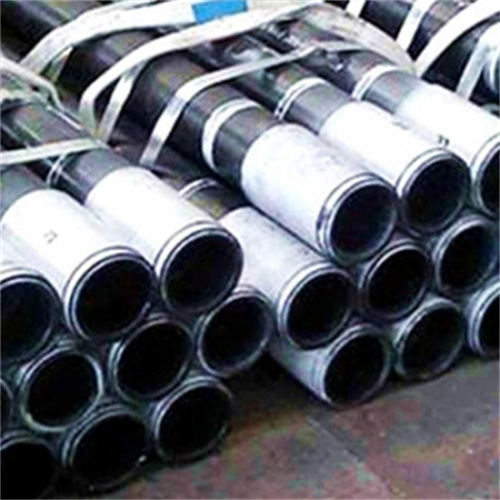
Casing sizes typically refer to the diameter and Wall thickness of the pipes used to line the wellbore. These sizes vary depending on the depth of the well, the pressure and temperature conditions of the reservoir, and the type of formations encountered during drilling. The primary function of casing is to provide structural support to the wellbore and to isolate different geological formations to prevent contamination and wellbore instability.
In recent years, there have been significant innovations in casing size optimization aimed at enhancing well performance and reducing costs. Traditionally, casing sizes were standardized based on industry practices and regulatory requirements. However, advancements in drilling technology and materials science have enabled operators to customize casing sizes more precisely to match specific reservoir conditions.
The fundamental range of casing sizes typically starts from relatively small diameters, around 4.5 inches, used in shallow wells or sections of deeper wells where reservoir pressures are lower. As wells deepen or encounter higher pressures and temperatures, larger casing sizes are required to withstand these harsh conditions. Common larger sizes include 7 inches, 9 5/8 inches, and up to 13 3/8 inches or larger for very deep wells or those with exceptionally high pressures.
Each casing size serves a specific purpose in the well construction process. For instance, surface casing, the first Casing string installed, protects freshwater aquifers and provides a stable foundation for subsequent drilling operations. Intermediate casing, installed at intermediate depths, reinforces the wellbore against pressures and prevents well collapse. Production casing, the final casing string, supports the well during production and ensures the integrity of the reservoir fluids.
Optimizing casing sizes involves balancing several factors, including cost-effectiveness, well integrity, and operational efficiency. Innovations such as high-strength alloys and advanced casing designs have allowed for thinner walls without compromising strength, reducing material costs and environmental footprint. Furthermore, computational modeling and data analytics enable engineers to simulate downhole conditions and predict casing performance accurately.
The selection of casing sizes also influences well completion and production strategies. Larger casing diameters can accommodate more extensive completion equipment, such as production Tubing and downhole Pumps, facilitating higher production rates and extended well life. Conversely, smaller casing sizes may limit production capabilities but can be more economical in certain geological settings.
In conclusion, the fundamental range of sizes for oil well casing is a dynamic aspect of well design and construction, influenced by technological advancements and reservoir characteristics. From shallow wells to ultra-deep reservoirs, casing sizes are tailored to ensure the safety, efficiency, and economic viability of oil and gas operations. As the industry continues to evolve, innovations in casing size optimization will play a pivotal role in meeting global energy demands while minimizing environmental impact and maximizing resource recovery.