**オイルケーシング市場動向の現在の傾向**
オイルケーシング市場は現在、技術の進歩、規制の変更、市場の需要の進化など、さまざまな要因の影響を受けてダイナミックな変化を経験しています。世界的なエネルギー情勢が変化し続けるにつれて、効率的で信頼性の高いオイルケーシングソリューションの必要性がますます重要になっています。この記事では、オイル ケーシング市場のダイナミクスを形成する現在のトレンドを詳しく掘り下げ、成長を促進する要因と業界関係者が直面する課題についての洞察を提供します。
オイル ケーシング市場の最も重要なトレンドの 1 つは、先進的な材料とその採用の増加です。テクノロジー。従来の鋼製ケーシングは、耐久性と耐腐食性を強化した複合材料で補完または置き換えられています。これらの革新により、ケーシングの寿命が延びるだけでなく、メンテナンスコストも削減され、オペレータにとって魅力的な選択肢となっています。さらに、センサーや監視システムなどのスマートテクノロジーの統合が注目を集めています。これらのテクノロジーにより、リアルタイムのデータ収集と分析が可能になり、オペレーターは坑井の完全性とパフォーマンスに関して十分な情報に基づいた意思決定を行うことができます。その結果、石油・ガス分野におけるデジタル化への広範な傾向を反映して、技術的に高度なケーシング ソリューションへの需要が増加しています。
技術の進歩に加えて、規制の枠組みもオイル ケーシングの形成において重要な役割を果たしています。市場。世界中の政府は、安全性と環境保護の強化を目的として、より厳格な規制を導入しています。これらの規制では、多くの場合、厳しい安全基準を満たす特定のケーシング材料と設計を使用することがオペレーターに求められます。その結果、メーカーはこれらの規制に準拠するために自社の製品を革新し、適応させる必要が生じ、コストの増加につながる可能性がありますが、準拠したソリューションを提供できる企業には機会が開かれます。持続可能性と環境責任の重視により、環境に優しいケーシングのオプションの需要がさらに高まっており、メーカーは代替材料や製造方法を模索しています。
さらに、原油価格の変動はオイルケーシング市場の動向に大きな影響を与えています。原油価格が高騰すると、探査や生産活動が増加する傾向があり、ケーシング製品の需要が高まります。逆に、原油価格が安い時期には、事業者は掘削活動を縮小し、その結果、新しいケーシングの需要が減少する可能性があります。石油市場のこの周期的な性質は、変化する市場状況に機敏に反応し続ける必要がある製造業者にとって困難な環境を作り出しています。その結果、多くの企業は、価格変動に伴うリスクを軽減するために、製品の提供を多様化し、新しい市場を開拓しています。
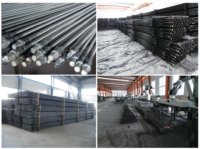 もう 1 つの注目すべき傾向は、石油・ガス事業者の間で業務効率とコスト削減の重視が高まっていることです。競争が激化する市場において、企業は業務を最適化し、支出を削減する方法を模索しています。この効率性への重点はケーシング製品の選択にも及び、オペレーターは技術要件を満たすだけでなく、コスト上の利点も提供するソリューションを探しています。自社製品の長期的な価値と信頼性を実証できるメーカーは、この環境で競争力を獲得できる可能性があります。
オイルチューブベスト中国メーカー
結論として、オイルケーシング市場の動向における現在の傾向は、技術革新、規制の圧力、原油価格の変動、および業務効率への強い焦点が組み合わさったものであることが特徴です。業界が進化し続ける中、利害関係者は市場の複雑さを乗り切るために常に警戒し、適応力を維持する必要があります。新しい技術を採用し、規制要件を遵守し、費用対効果の高いソリューションを優先することで、メーカーとオペレーターは、刻々と変化するオイルケーシング市場の状況の中で成功を収めることができます。業界が今後待ち受ける課題と機会に対応しようと努めているため、この分野の将来は間違いなくこれらの傾向によって形作られるでしょう。
**オイルケーシングの需要と供給の将来予測**
まず、オイルケーシングの需要は石油・ガス部門全体の健全性と密接に関係しています。各国がエネルギー安全保障を強化し、外国石油への依存を削減しようと努めているため、国内石油生産への投資は増加する可能性があります。この傾向は、探査や生産活動の活発化が見込まれる未開発の埋蔵量がある地域で特に顕著です。その結果、油井の構造的完全性を維持するために不可欠なオイルケーシングの需要も、それに応じて増加する可能性があります。さらに、水圧破砕や水平掘削などの非従来型の石油抽出方法への移行が進んでおり、高圧や腐食環境に耐えることができる高度なケーシング ソリューションの使用が必要になっています。この掘削技術の進化により、ケーシングの材料と設計の革新が促進され、需要がさらに拡大すると予想されます。
需要を促進する要因に加えて、供給力学もオイルケーシング市場の形成に重要な役割を果たします。オイルケーシングの生産は、原材料、特にケーシングの製造に使用される主な材料である鋼の入手可能性に影響されます。世界的な市況や通商政策によって引き起こされる鋼材価格の変動は、ケーシングメーカーのコスト構造に大きな影響を与える可能性があります。さらに、オイルケーシングのサプライチェーンは、原材料の供給業者から製造業者、販売業者に至るまで複数の利害関係者が関与し、複雑になることがよくあります。地政学的緊張、自然災害、景気低迷のいずれによるものであっても、この連鎖のどの部分でも混乱が生じると、供給不足が生じ、市場全体の均衡に影響を与える可能性があります。
オイルケーシングの需要と供給の将来予測におけるもう 1 つの重要な考慮事項は、石油・ガス業界では持続可能性と環境責任がますます重視されています。規制の枠組みが厳格化するにつれ、企業は環境への影響を最小限に抑える取り組みを採用する必要に迫られています。この変化は、市場で好まれるケーシング製品の種類に影響を与える可能性があります。たとえば、リサイクル材料を組み込んだケーシング ソリューションや、坑井のライフ サイクル終了時の廃止措置が容易になるように設計されたケーシング ソリューションの好みがますます高まっている可能性があります。このようなイノベーションは、持続可能性の目標と一致するだけでなく、メーカーが競争環境において自社製品を差別化する新たな機会も提供します。
さらに、オイルケーシングの将来予測を考える際には、再生可能エネルギー源への世界的な移行を無視することはできません。石油とガスの需要は短期的には続くと予想されますが、長期的な見通しでは、代替エネルギー源が勢いを増すにつれて徐々に減少することが示唆されています。この移行は、企業がエネルギー情勢の変化の中で既存の資産の存続可能性を評価する際に、オイルケーシングへの投資の再評価につながる可能性があります。しかし、石油とガスは、特にエネルギー需要が依然として増加している地域において、当面、世界のエネルギーミックスにおいて重要な役割を果たし続けることを認識することが不可欠です。
結論として、石油の将来予測は次のとおりです。ケーシングの需要と供給は、技術の進歩、規制の変更、エネルギー消費パターンの進化などの要因の複雑な相互作用によって形成されます。業界がこれらの課題に対処する際、関係者は潜在的なリスクを軽減しながら新たな機会を活用するために、変化する状況に機敏で対応し続ける必要があります。これらの変化に適応できるかどうかが、今後数年間のオイルケーシング市場で事業を展開する企業の成功を最終的に決定するでしょう。
To begin with, the demand for Oil Casing is closely tied to the overall health of the Oil and Gas sector. As countries strive to enhance their energy security and reduce dependence on foreign oil, investments in domestic oil production are likely to increase. This trend is particularly evident in regions with untapped reserves, where exploration and production activities are expected to ramp up. Consequently, the demand for oil casing, which is essential for maintaining the structural integrity of wells, will likely see a corresponding rise. Furthermore, the ongoing shift towards unconventional oil extraction methods, such as hydraulic fracturing and horizontal drilling, necessitates the use of advanced casing solutions that can withstand higher pressures and corrosive environments. This evolution in drilling techniques is anticipated to drive innovation in casing Materials and designs, further bolstering demand.
In addition to the factors driving demand, supply dynamics also play a crucial role in sh APIng the market for oil casing. The production of oil casing is influenced by the availability of raw materials, particularly Steel, which is the primary material used in casing manufacturing. Fluctuations in steel Prices, driven by global market conditions and trade policies, can significantly impact the cost structure for casing Manufacturers. Moreover, the supply chain for oil casing is often complex, involving multiple stakeholders from raw material Suppliers to manufacturers and distributors. Disruptions in any part of this chain, whether due to geopolitical tensions, natural disasters, or economic downturns, can lead to supply shortages and affect the overall market equilibrium.
Another important consideration in the future projections for oil casing demand and supply is the increasing emphasis on sustainability and environmental responsibility within the oil and gas industry. As regulatory frameworks become more stringent, Companies are under pressure to adopt practices that minimize their environmental footprint. This shift is likely to influence the types of casing products that are favored in the market. For instance, there may be a growing preference for casing solutions that incorporate recycled materials or are designed for easier decommissioning at the end of a well’s Life cycle. Such innovations not only align with sustainability goals but also present new opportunities for manufacturers to differentiate their products in a competitive landscape.
Moreover, the global transition towards renewable energy sources cannot be overlooked when considering future projections for oil casing. While the demand for oil and gas is expected to persist in the near term, the long-term outlook suggests a gradual decline as alternative energy sources gain traction. This transition may lead to a re-evaluation of investments in oil casing, as companies assess the viability of their existing assets in a changing energy landscape. However, it is essential to recognize that oil and gas will contiNue to play a significant role in the global energy mix for the foreseeable future, particularly in regions where energy demand is still on the rise.
In conclusion, the future projections for oil casing demand and supply are shaped by a complex interplay of factors, including technological advancements, regulatory changes, and evolving energy consumption patterns. As the industry navigates these challenges, stakeholders must remain agile and responsive to the shifting landscape to capitalize on emerging opportunities while mitigating potential risks. The ability to adapt to these changes will ultimately determine the success of companies operating within the oil casing market in the years to come.