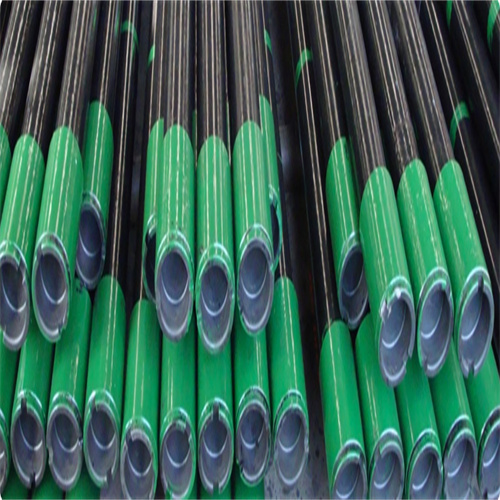
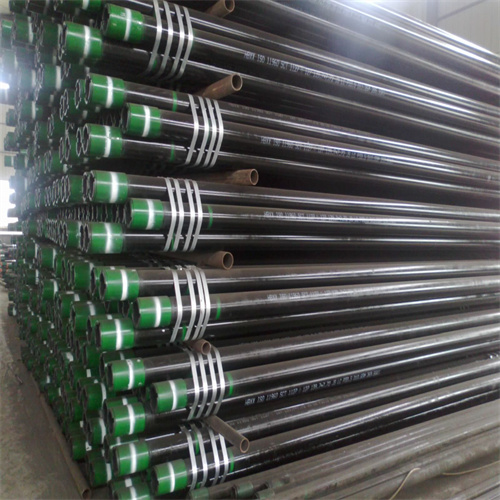
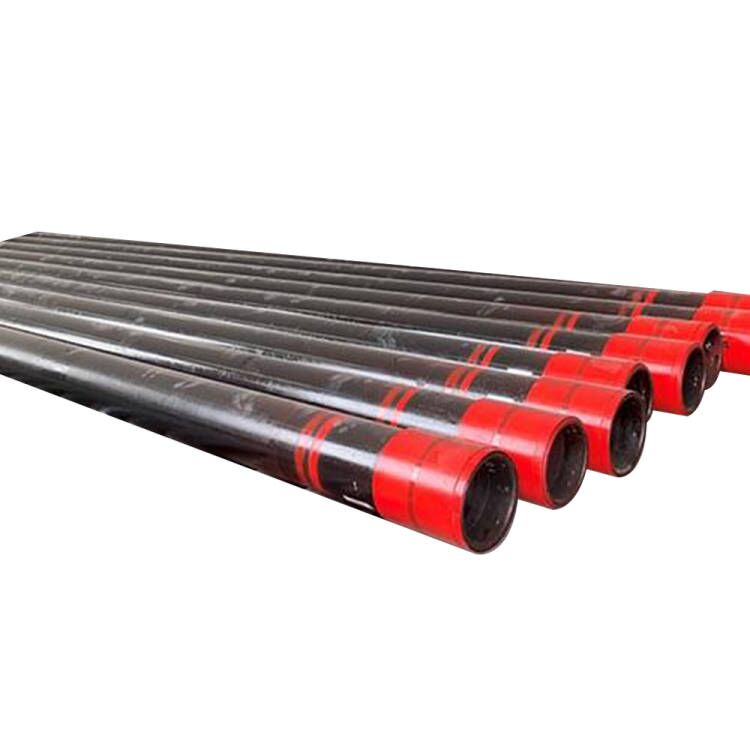
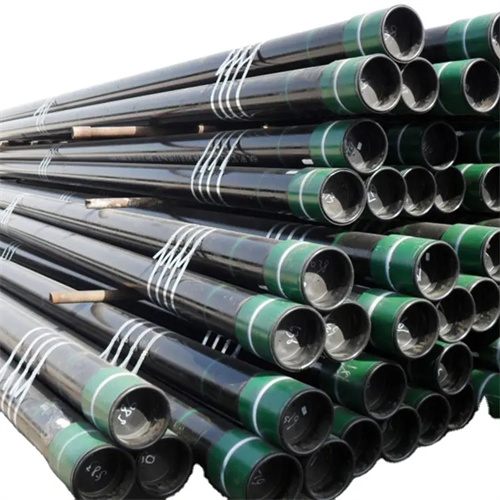
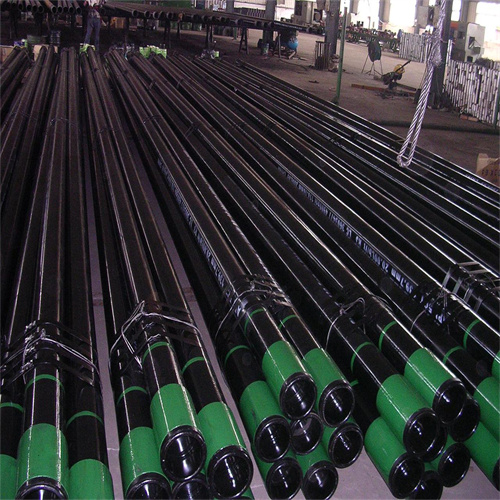
オイルケーシングの単位長さあたりの重量は、石油・ガス産業において重要な要素であり、掘削作業の設計と作業効率の両方に影響します。 J55 と X70 は一般的に使用される 2 つのケーシング グレードで、それぞれが単位長さあたりの重量に影響を与える異なる特性を持っています。 J55 は低炭素鋼グレードで、主に浅井戸で使用され、良好な溶接性と適度な強度で知られています。 J55 ケーシングの単位長さあたりの重量は、ケーシングの特定の寸法と壁の厚さに応じて、通常、1 フィートあたり約 10.5 ~ 12.5 ポンドの範囲になります。この比較的軽量な特性により、J55 は高強度が主な関心事ではない用途にとって経済的な選択肢となります。
ホットコールド
対照的に、X70 ケーシングは高強度用途向けに設計されており、より深い井戸やより困難な環境に適しています。 X70 グレードは API 5L 仕様の一部であり、より高い降伏強度を特徴とし、より深い掘削作業で発生する圧力の増加に耐えるのに不可欠です。 X70 ケーシングの単位長さあたりの重量は、通常、1 フィートあたり 18 ~ 20 ポンドの間に収まります。これは、その厚い壁と強化された材料特性を反映しています。この重量の増加は、より高い強度要件の直接の結果であり、極端な条件下でケーシングの完全性を確保するには、より堅牢な構造が必要です。
J55 ケーシングと X70 ケーシングの単位長さあたりの重量の相違は、材料組成、肉厚、意図された用途などのいくつかの要因に起因すると考えられます。 J55 は要求の少ない環境には十分ですが、X70 ケーシングは高圧のシナリオでも優れたパフォーマンスを提供するように設計されています。したがって、これら 2 つのグレードの選択は、深さ、圧力、環境条件など、掘削プロジェクトの特定の要件に左右されることがよくあります。
さらに、ケーシングの重量は、掘削作業の全体的な物流において重要な役割を果たします。 X70 などの重いケーシングには、より堅牢な取り扱い機器が必要になる場合があり、輸送と設置の全体的なコストに影響を与える可能性があります。逆に、J55 ケーシングは軽量であるため、取り扱いが容易になり、運用コストが削減されるため、特定の用途にとっては魅力的な選択肢となります。ただし、特に高圧環境では、軽量化の利点と構造の完全性および安全性の必要性のバランスを取ることが重要です。
要約すると、J55 オイル ケーシングと X70 オイル ケーシングの単位長さあたりの重量の相違は、次のことを反映しています。それらの異なる材料特性と意図された用途。 J55 は浅い井戸に適した軽量ソリューションを提供し、X70 はより深く、より要求の厳しい掘削作業に必要な強度を提供します。エンジニアやオペレーターが特定のニーズに合わせて適切なケーシングを選択し、石油とガスの抽出プロセスの効率と安全性の両方を確保するには、これらの違いを理解することが重要です。業界が進化し続けるにつれて、ケーシングの材質の選択は依然として基本的な考慮事項であり、掘削作業のパフォーマンスだけでなく、石油とガスの生産全体の経済性にも影響を与えます。

The dissimilitude in Weight per unit Length between J55 and X70 Casings can be attributed to several factors, including Material composition, Wall thickness, and intended application. While J55 is adequate for less demanding environments, the X70 casing is engineered to provide superior performance in high-pressure scenarios. Consequently, the choice between these two grades often hinges on the specific requirements of the drilling project, including depth, pressure, and environmental conditions.
Moreover, the weight of the casing plays a significant role in the overall logistics of drilling operations. Heavier casings, such as X70, may require more robust handling equipment and can impact the overall cost of transportation and installation. Conversely, the lighter j55 casing can facilitate easier handling and reduce operational costs, making it an attractive option for certain applications. However, it is essential to balance the benefits of weight savings with the need for structural integrity and safety, particularly in high-pressure environments.
In summary, the dissimilitude in weight per unit length between J55 and X70 Oil Casings is a reflection of their differing material properties and intended applications. J55 offers a lightweight solution suitable for shallow wells, while X70 provides the necessary strength for deeper, more demanding drilling operations. Understanding these Differences is crucial for engineers and operators in selecting the appropriate casing for their specific needs, ensuring both efficiency and safety in Oil and Gas extraction processes. As the industry contiNues to evolve, the choice of casing material will remain a fundamental consideration, influencing not only the performance of drilling operations but also the overall economics of oil and gas production.