**Exploring the Versatility of 13 3/8” Casing Pipe in Oil and Gas Operations**: This topic can delve into the various uses of 13 3/8” casing pipe in the oil and gas industry, discussing its role in wellbore stability, pressure control, and isolation of different layers within the reservoir
In the realm of oil and gas operations, the 13 3/8″ casing pipe is a crucial yet often overlooked component. Its versatility extends far beyond its mere presence as a structural entity in the Oil Well, encapsulating an array of operations including wellbore stability, pressure control, and isolation of different layers within the reservoir.
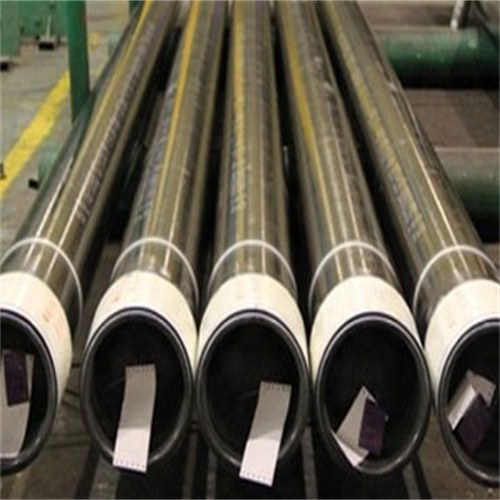
To understand the diverse roles of the 13 3/8″ casing pipe, one must first grasp the concept of wellbore stability. Oil and gas extraction often involves drilling through unstable ground formations. Here, the casing pipe serves as a critical stabilizing element, preventing the wellbore from collapsing under geological pressure. It provides a firm structure, which shields the wellbore from the unpredictable and harsh underground environment. The stability it offers is not just a physical barrier but a safeguard of the entire drilling operation.
casing pipe,casing well pipe, casing supreme pipe, casing vs carrier pipe, casing for ac pipe, casing Steel Pipe, casing pipe size, casing pvc pipe Price, casing pipe, casing pipe Suppliers in china, casing capping pipe, casing drill pipe,carrier pipe,casing pipe size,bushing flange,bushing Sleeve,bushing,bushing arm,bushing bearing,bushing reducer,bushing tool,bushing pvc,bushing meaning
Transitioning from the structural aspect, the 13 3/8″ casing pipe plays a key role in pressure control. The pressure within an oil well is dynamic and can fluctuate significantly due to factors such as temperature changes or the movement of fluids. Without proper control, pressure fluctuations can lead to catastrophic events like blowouts. The casing pipe, with its robust build and design, effectively manages these pressure changes, ensuring a safer, more controlled environment for oil and gas extraction.
Furthermore, the 13 3/8″ casing pipe aids in isolating different layers within the reservoir. Each layer has distinct characteristics and can contain different fluids such as oil, gas, or water. In order to prevent cross-contamination, and to ensure that the extraction process is efficient, these layers need to be isolated from each other. The casing pipe provides a Seal between these layers, enabling operators to selectively access and extract from specific zones.
In addition, the versatility of the 13 3/8″ casing pipe is further highlighted by its adaptability to various well types. Whether it’s a vertical well drilled straight down into the reservoir, a deviated well that reaches an angle over time, or a complex horizontal well designed to maximize reservoir contact, the casing pipe seamlessly fits into all these configurations.
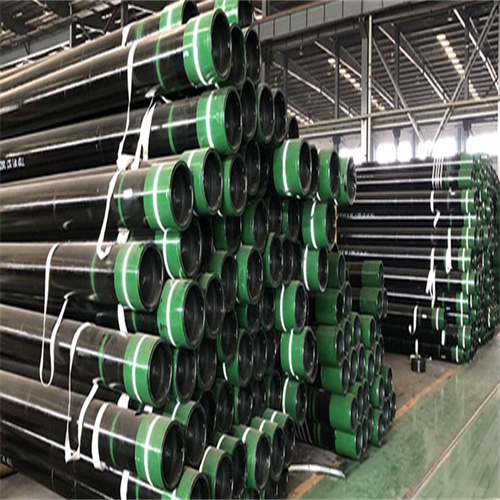
In conclusion, the 13 3/8″ casing pipe serves as a silent workhorse in oil and gas operations. Its role extends beyond being a mere component in the well architecture, to being a critical element in ensuring wellbore stability, pressure control, and layer isolation. Despite its unassuming presence, the casing pipe is a testament to the intricate design and complex operations that characterize the oil and gas industry. The contiNued reliance on this versatile tool underscores its importance in these operations and highlights the role of sound engineering in driving the energy sector forward.
**innovations in 13 3/8” Casing Pipe Design and Material for Enhanced Performance**: This topic can focus on recent advancements in the design and material of 13 3/8” casing Pipes, exploring how these innovations contribute to improved durability, efficiency, and safety in oil and gas operations
The oil and gas industry has seen remarkable advancements in recent years, and one area that has particularly benefited from these advancements is the design and material of 13 3/8” casing pipes. These innovations have significantly contributed to enhanced durability, efficiency, and safety in oil and gas operations.
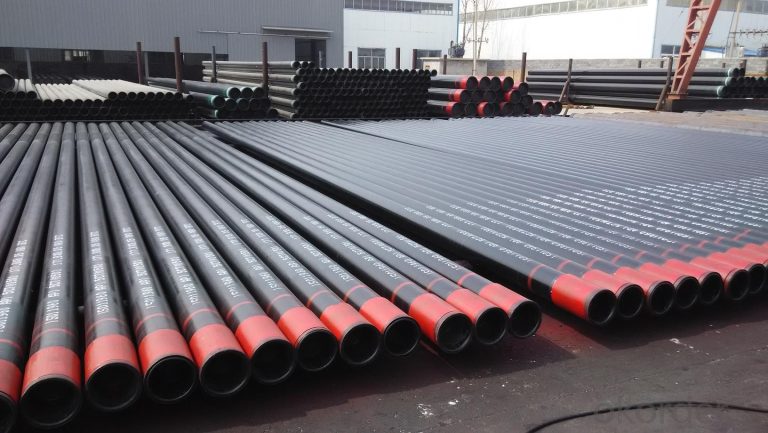
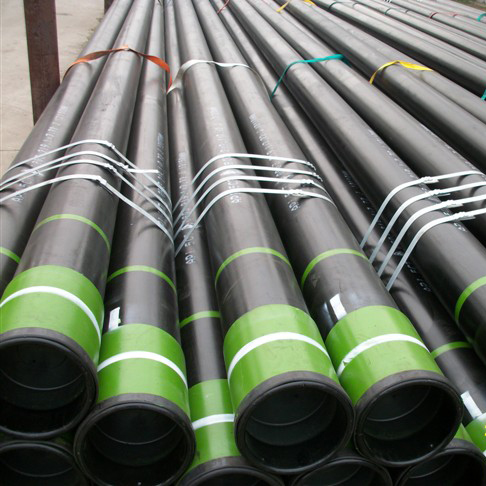
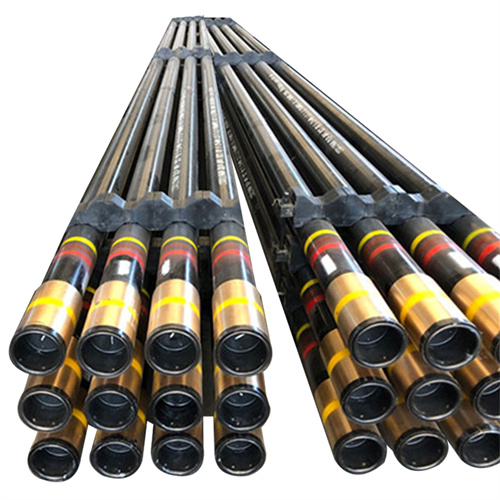
Casing Pipe for Oilfield Drilling
The evolution of casing pipe design has been driven by a need to withstand harsh operational conditions and the rigorous demands of drilling. Modern 13 3/8” casing pipes are now designed with unique features that bolster their structural integrity. For example, the use of high-strength steel alloys in their Construction has enabled these pipes to endure great depths and extreme pressures. Additionally, the incorporation of advanced Threading and sealing technologies ensures that the casing provides an effective barrier against the ingress of formation fluids into the wellbore.
In terms of material, the industry has moved beyond traditional steel casing pipes to more resilient materials. The shift towards composites, super-duplex Stainless Steel, and nickel-based alloys has revolutionized the casing pipe landscape. These materials offer excellent Corrosion resistance, a critical attribute given the corrosive nature of the fluids encountered in drilling operations. Moreover, they possess high yield strength, ensuring that the casing pipes can support the Weight of thousands of feet of drilling mud and withstand the high pressures encountered in the wellbore.
The improved durability of the 13 3/8” casing pipes directly translates into enhanced operational efficiency. With their increased strength and resistance to corrosion, these pipes require less frequent replacement, reducing downtime and Maintenance costs. Furthermore, their advanced sealing mechanisms minimize the risk of leaks, ensuring uninterrupted flow of oil and gas from the reservoir to the surface.
The safety aspect of oil and gas operations has also been significantly improved thanks to these innovations. The robust design and durable materials used in modern 13 3/8” casing pipes minimize the risk of catastrophic failures, such as pipe ruptures or blowouts. By providing a reliable barrier between the wellbore and the surrounding formations, these pipes prevent the uncontrolled release of hydrocarbons, protecting the environment and the safety of the drilling crew.
In conclusion, the innovative design and material of 13 3/8” casing pipes have brought about a new era of enhanced performance in the oil and gas industry. These advancements have not only increased the durability and efficiency of operations but also elevated the safety standards. As the industry continues to evolve, we can expect even more innovative solutions that will further optimize the performance of casing pipes and revolutionize oil and gas operations.