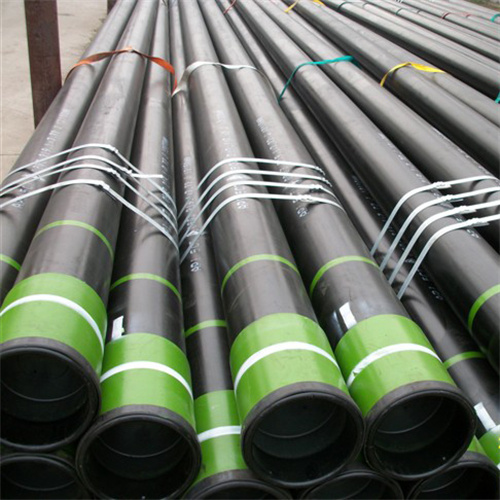
Athari za Sera za Sekta ya Uwekaji Mafuta kwenye Ufikiaji wa Soko la Kimataifa
Mitindo na Changamoto katika Soko la Kimataifa la Sekta ya Uwekaji Mafuta
Wasambazaji wa BOMBA LA PETROLI
 Mifumo ya Udhibiti na Makubaliano ya Biashara Yanayoathiri Upatikanaji wa Soko la Sekta ya Casing ya Mafuta
Sekta ya kuhifadhi mafuta ina jukumu muhimu katika sekta ya nishati duniani, kutoa msaada muhimu kwa shughuli za uchimbaji wa mafuta na gesi. Hata hivyo, upatikanaji wa soko la bidhaa za kabati la mafuta huathiriwa kwa kiasi kikubwa na mifumo ya udhibiti na mikataba ya kibiashara iliyoanzishwa na nchi mbalimbali na mashirika ya kimataifa. Sera hizi zinaunda mazingira ya ushindani na kubainisha urahisi wa kuingia sokoni kwa wahusika wa sekta hiyo.
Mifumo ya udhibiti inayosimamia sekta ya uwekaji mafuta hutofautiana kutoka nchi hadi nchi, ikionyesha vipaumbele na mbinu mbalimbali za usalama wa nishati na ulinzi wa mazingira. Katika maeneo mengi, kanuni kali zimewekwa ili kuhakikisha usalama na uadilifu wa visima vya mafuta, kuamuru viwango maalum vya vifaa vya casing, muundo na taratibu za ufungaji. Kuzingatia kanuni hizi ni muhimu kwa kampuni zinazotaka kufanya kazi katika masoko haya, kwani kutofuata kunaweza kusababisha adhabu ya gharama kubwa na uharibifu wa sifa.
Makubaliano ya biashara pia yana jukumu muhimu katika kuchagiza ufikiaji wa soko kwa bidhaa za kabati za mafuta. Mikataba ya biashara baina ya nchi mbili na kimataifa huanzisha masharti ya biashara kati ya nchi, ikiwa ni pamoja na ushuru, viwango na kanuni za kiufundi. Kwa tasnia ya kuhifadhi mafuta, mikataba ya kibiashara inaweza kuwezesha au kuzuia ufikiaji wa soko kulingana na masharti yaliyoainishwa katika makubaliano. Vikwazo vya ushuru, kwa mfano, vinaweza kuongeza gharama ya bidhaa za kabati za mafuta zinazoagizwa kutoka nje, na kuzifanya ziwe na ushindani mdogo katika masoko ya nje.
Moja ya mambo muhimu yanayozingatiwa kwa watengenezaji wa kabati za mafuta ni kuoanisha viwango vya kiufundi katika masoko mbalimbali. Kanuni tofauti za kiufundi zinaweza kuunda vizuizi kwa biashara, kwani kampuni zinaweza kuhitaji kurekebisha bidhaa zao ili kukidhi mahitaji tofauti katika nchi tofauti. Kuoanisha viwango kupitia mikataba ya utambuzi wa pande zote au viwango vya kimataifa kunaweza kurahisisha ufikiaji wa soko na kupunguza gharama za kufuata kwa wahusika wa sekta hiyo.
Katika miaka ya hivi karibuni, kumekuwa na msisitizo unaokua wa uendelevu na wajibu wa kimazingira katika sekta ya mafuta na gesi. Mifumo ya udhibiti na makubaliano ya biashara yanazidi kujumuisha masharti yanayohusiana na ulinzi wa mazingira, utoaji wa hewa ukaa, na mazoea endelevu. Watengenezaji wa kabati za mafuta wanakabiliwa na shinikizo la kupitisha teknolojia na michakato ya kijani kibichi ili kuendana na viwango hivi vinavyobadilika na ufikiaji salama wa soko katika masoko yanayojali mazingira.
Utekelezaji wa haki miliki pia una jukumu muhimu katika kubainisha ufikiaji wa soko wa bidhaa za kabati za mafuta. Hataza, chapa za biashara na siri za biashara ni mali muhimu katika sekta hii, zinazolinda uvumbuzi na teknolojia za umiliki. Makampuni yanayofanya kazi katika sekta ya uwekaji mafuta lazima y APItie kanuni za mali miliki ili kulinda manufaa yao ya ushindani na kuzuia matumizi yasiyoidhinishwa ya mali zao za kiakili.
Kwa kumalizia, mifumo ya udhibiti na makubaliano ya biashara ni mambo muhimu yanayoathiri upatikanaji wa soko kwa tasnia ya uwekaji mafuta. Kampuni zinazofanya kazi katika sekta hii lazima zipitie mazingira changamano ya kanuni, viwango na sera za biashara ili kushindana vyema katika masoko ya kimataifa. Kwa kukaa sawa na mwelekeo wa udhibiti unaobadilika na kujihusisha kikamilifu na watunga sera, watengenezaji wa kabati la mafuta wanaweza kuongeza ufikiaji wao wa soko na kujiweka kwa mafanikio ya muda mrefu katika tasnia ya nishati inayobadilika.
The Oil Casing industry plays a crucial role in the global energy sector, providing essential support for drilling operations in Oil and Gas exploration. As demand for energy contiNues to rise worldwide, the oil casing market faces a myriad of trends and challenges that shape its global landscape.
One significant trend in the oil casing industry is the increasing focus on environmental sustainability. With growing concerns about climate change and carbon emissions, oil and gas Companies are under pressure to adopt more eco-friendly practices. This shift towards sustainability has led to the development of innovative casing Materials and technologies that reduce environmental impact while maintaining operational efficiency.
Another key trend is the rise of digitalization and automation in oil casing manufacturing processes. Automation technologies such as robotics and artificial intelligence are revolutionizing the way casings are designed, produced, and inspected. These advancements not only improve efficiency and accuracy but also enhance worker safety by reducing manual labor in hazardous environments.
Global market access is a critical challenge facing the oil casing industry. Trade barriers, geopolitical tensions, and regulatory Differences between countries can hinder market entry and expansion for casing Manufacturers. Navigating these complexities requires a deep understanding of international trade policies and strategic partnerships to ensure seamless access to key markets.
petroleum Casing Pipe Suppliers
Quality control and compliance with industry standards are paramount challenges in the oil casing market. Ensuring that casings meet stringent quality requirements and regulatory guidelines is essential to prevent operational failures and environmental risks. Continuous monitoring, testing, and certification processes are vital to maintaining the integrity and reliability of oil casing products.
Price volatility in the global oil and gas market poses a significant challenge for casing manufacturers. Fluctuations in oil prices directly impact drilling activities and investment decisions, influencing the demand for casing products. Adapting to price fluctuations requires agile supply chain management and strategic pricing strategies to remain competitive in a dynamic market environment.
Technological innovation and R&D investment are key drivers of growth and competitiveness in the oil casing industry. Companies that invest in research and development to enhance product performance, durability, and cost-effectiveness gain a competitive edge in the market. Collaboration with academic institutions and industry partners fosters innovation and accelerates the adoption of cutting-edge technologies.
In conclusion, the oil casing industry is undergoing a period of transformation driven by evolving market trends and challenges. Embracing sustainability, digitalization, and quality assurance while navigating global market dynamics are essential for companies to thrive in this competitive landscape. By staying abreast of industry developments and investing in innovation, oil casing Manufacturers can position themselves for long-term success in the global market.
Regulatory Frameworks and Trade Agreements Affecting Oil Casing Industry Market Access
The oil casing industry plays a crucial role in the global energy sector, providing essential support for oil and gas extraction operations. However, the market access for oil casing products is significantly influenced by regulatory frameworks and trade agreements established by various countries and international organizations. These policies shape the competitive landscape and determine the ease of market entry for industry players.
Regulatory frameworks governing the oil casing industry vary from country to country, reflecting diverse priorities and approaches to energy security and environmental protection. In many jurisdictions, stringent regulations are in place to ensure the safety and integrity of Oil Wells, mandating specific standards for casing materials, design, and installation procedures. Compliance with these regulations is essential for companies seeking to operate in these markets, as non-compliance can lead to costly penalties and reputational damage.
Trade agreements also play a pivotal role in shaping market access for oil casing products. Bilateral and multilateral trade agreements establish the terms of trade between countries, including tariffs, quotas, and technical regulations. For the oil casing industry, trade agreements can either facilitate or hinder market access depending on the provisions outlined in the agreements. Tariff barriers, for example, can increase the cost of imported oil casing products, making them less competitive in foreign markets.
One of the key considerations for oil casing manufacturers is the harmonization of technical standards across different markets. Divergent technical regulations can create barriers to trade, as companies may need to modify their products to meet varying requirements in different countries. Harmonizing standards through mutual recognition agreements or international standards can streamline market access and reduce compliance costs for industry players.
In recent years, there has been a growing emphasis on sustainability and environmental responsibility in the oil and gas industry. Regulatory frameworks and trade agreements are increasingly incorporating provisions related to environmental protection, carbon emissions, and sustainable practices. Oil casing manufacturers are facing pressure to adopt greener technologies and processes to align with these evolving standards and secure market access in environmentally conscious markets.
The enforcement of intellectual property rights also plays a significant role in determining market access for oil casing products. Patents, trademarks, and trade secrets are valuable assets in the industry, protecting innovations and proprietary technologies. Companies operating in the oil casing sector must navigate intellectual property regulations to safeguard their competitive advantage and prevent unauthorized use of their intellectual assets.
In conclusion, regulatory frameworks and trade agreements are critical factors that influence market access for the oil casing industry. Companies operating in this sector must navigate a complex landscape of regulations, standards, and trade policies to compete effectively in global markets. By staying abreast of evolving regulatory trends and proactively engaging with policyMakers, oil casing manufacturers can enhance their market access and position themselves for long-term success in the dynamic energy industry.