Mazoezi Endelevu katika Teknolojia ya Kuweka Mafuta
Kuunganisha bomba la mafuta
Licha ya changamoto hizi, mabadiliko ya kuelekea mazoea endelevu katika teknolojia ya kuweka mafuta pia yanatoa fursa za uvumbuzi na ukuaji. Makampuni ambayo yanatanguliza uendelevu yanaweza kuongeza sifa zao, kuvutia wawekezaji wanaojali mazingira, na kupata makali ya ushindani katika soko. Kwa kupitisha masuluhisho endelevu ya kabati, makampuni yanaweza kuonyesha kujitolea kwao kwa utunzaji wa mazingira na kukidhi mahitaji yanayoongezeka ya bidhaa na huduma rafiki kwa mazingira.
Ushirikiano na kubadilishana maarifa ni vipengele muhimu vya kuendeleza mbinu endelevu katika teknolojia ya kuweka mafuta. Ushirikiano wa sekta, mipango ya utafiti, na mifumo ya udhibiti ina jukumu muhimu katika kuendeleza uvumbuzi na kukuza mbinu bora. Kwa kufanya kazi pamoja, washikadau wanaweza kuendeleza teknolojia mpya, viwango, na miongozo ambayo inasaidia utendakazi endelevu wa kabati na kuchangia katika malengo ya jumla ya mazingira ya sekta hiyo.
Kwa kumalizia, safari ya kuelekea teknolojia endelevu ya uwekaji mafuta inaonyeshwa na changamoto na fursa zote mbili. Kwa kushughulikia maswala ya mazingira, kupunguza uzalishaji wa taka, na kupunguza matumizi ya nishati, kampuni zinaweza kuweka njia kwa mustakabali endelevu katika sekta ya mafuta na gesi. Kupitia ushirikiano, uvumbuzi, na kujitolea kwa mazoea bora, tasnia inaweza kuangazia mazingira yanayobadilika na kukumbatia manufaa ya teknolojia endelevu ya kabati.
Uvumbuzi katika Nyenzo za Kuhifadhi Mafuta kwa Uhifadhi wa Mazingira
Uzingatiaji wa Udhibiti na Athari za Kimazingira za Teknolojia ya Ufungaji Mafuta
Utiifu wa udhibiti ni kipaumbele cha juu kwa makampuni ya mafuta na gesi yanayohusika katika teknolojia ya Casing. Kanuni kali husimamia muundo, uwekaji na uendeshaji wa mifumo ya kasha ya mafuta ili kuhakikisha usalama wa wafanyakazi, kulinda mazingira, na kuzuia hatari zinazoweza kutokea. Kuzingatia kanuni hizi sio tu hitaji la kisheria lakini pia ni muhimu kwa kudumisha leseni ya kijamii ya tasnia ili kufanya kazi. Makampuni lazima yazingatie kanuni zinazobadilika, kutekeleza mipango thabiti ya utiifu, na kufanya ukaguzi wa mara kwa mara ili kuhakikisha uzingatiaji wa viwango vya juu zaidi vya usalama na ulinzi wa mazingira.
Mbali na kufuata kanuni, athari za kimazingira za teknolojia ya mfuko wa mafuta ni jambo la kuhangaisha sana kwa wadau wa sekta hiyo. Uchimbaji na uzalishaji wa mafuta unaweza kuwa na madhara makubwa ya kimazingira, ikiwa ni pamoja na usumbufu wa makazi, uchafuzi wa maji, na utoaji wa gesi chafu. Teknolojia ya kuhifadhi mafuta ina jukumu muhimu katika kupunguza athari hizi kwa kuzuia uvujaji wa mafuta na gesi, kudhibiti shinikizo la visima, na kuhakikisha uadilifu wa kisima. Makampuni yanazidi kuwekeza katika teknolojia za kibunifu za kuweka kabati ambazo hupunguza kiwango cha mazingira na kuimarisha ufanisi wa utendaji kazi.
Mojawapo ya changamoto kuu katika kushughulikia athari za mazingira za teknolojia ya kiganja cha mafuta ni utupaji unaofaa wa nyenzo za casing. Vipengee vya casing mara nyingi hutengenezwa kwa chuma, ambayo inaweza kuwa vigumu kusindika au kutupa kwa uwajibikaji. Utupaji usiofaa wa vifaa vya casing unaweza kusababisha uchafuzi wa udongo na maji, na kusababisha hatari kwa afya ya binadamu na mazingira. Makampuni yanachunguza nyenzo mbadala na mbinu za kuchakata tena ili kupunguza nyayo ya mazingira ya teknolojia ya casing na kukuza uendelevu katika sekta nzima.
Aidha, uundaji wa teknolojia za hali ya juu za ufuatiliaji na ugunduzi ni muhimu ili kuhakikisha uadilifu wa mifumo ya makasha ya mafuta na kuzuia matukio ya mazingira. Mifumo ya ufuatiliaji wa wakati halisi, kama vile vitambuzi na uchanganuzi wa data, huwezesha makampuni kugundua hitilafu katika uadilifu wa kabati na utendakazi mzuri, hivyo kuruhusu uingiliaji kati na matengenezo kwa wakati. Teknolojia hizi sio tu huongeza usalama wa utendaji kazi lakini pia huchangia katika kupunguza athari za kimazingira za shughuli za mafuta na gesi.
Kwa kumalizia, kutafuta changamoto na fursa katika uzingatiaji wa udhibiti na athari za kimazingira za teknolojia ya kiganja cha mafuta kunahitaji mbinu kamili inayojumuisha utiifu wa udhibiti. , utunzaji wa mazingira, na uvumbuzi wa kiteknolojia. Kwa kutanguliza usalama, uendelevu, na ubora wa uendeshaji, makampuni yanaweza kushikilia viwango vya juu zaidi vya ulinzi wa mazingira huku yakiongeza ufanisi na tija ya shughuli za mafuta na gesi. Wakati tasnia inaendelea kubadilika, ushirikiano kati ya wadau wa tasnia, wadhibiti, na watetezi wa mazingira itakuwa muhimu katika kuunda mustakabali endelevu wa teknolojia ya uwekaji mafuta.
Oil Casing technology plays a crucial role in the Oil and Gas industry, providing structural support and protection for wells. As the industry faces increasing pressure to operate in an environmentally sustainable manner, innovations in Oil casing Materials have become essential for both addressing challenges and seizing opportunities in this evolving landscape.
Traditionally, oil casing has been predominantly made of Steel due to its strength and durability. However, the production and use of steel casing come with environmental implications, including high energy consumption and carbon emissions. In response to these challenges, the industry has been exploring alternative materials that offer comparable performance while reducing environmental impact.
One of the key innovations in oil casing materials is the development of composite casings. These casings combine different materials such as carbon fiber, fiberglass, and resins to create a lightWeight yet strong alternative to traditional steel casings. Composite casings not only reduce the overall weight of the Casing string, making installation and handling easier, but also have the potential to lower carbon emissions associated with casing production.
Furthermore, the use of composite materials in oil casing can enhance Corrosion resistance, extending the lifespan of wells and reducing the need for frequent replacements. This not only improves operational efficiency but also contributes to environmental conservation by minimizing waste generation.
In addition to composite materials, advancements in nanotechnology have opened up new possibilities for oil casing innovation. Nanocomposite casings, which incorporate nanoparticles into traditional casing materials, offer improved mechanical properties and corrosion resistance. These nanocomposites can withstand harsh downhole conditions, leading to longer-lasting wells and reduced environmental impact through decreased material usage.
Moreover, the integration of smart technologies in oil casing design is revolutionizing the way wells are monitored and maintained. Smart casings equipped with sensors can provide real-time data on casing integrity, temperature, and pressure, allowing operators to detect potential issues early and prevent costly failures. By enabling proactive Maintenance and reducing the risk of environmental incidents, smart casings contribute to both operational efficiency and environmental stewardship.
As the oil and gas industry contiNues to adapt to a changing regulatory landscape and growing environmental concerns, the development and adoption of innovative oil casing materials are essential for sustainable operations. By embracing these advancements, operators can navigate the challenges posed by environmental regulations and public scrutiny while c APItalizing on the opportunities for improved efficiency and environmental conservation.
Regulatory Compliance and Environmental Impact of Oil Casing Technology
Oil casing technology plays a pivotal role in the extraction and production of oil, serving as a critical component in the drilling process. As the oil and gas industry continues to evolve, the regulatory landscape surrounding oil casing technology has become increasingly complex. Companies operating in this sector are faced with a myriad of challenges related to regulatory compliance and environmental impact. Navigating these challenges requires a deep understanding of the regulatory framework and a commitment to sustainable practices.
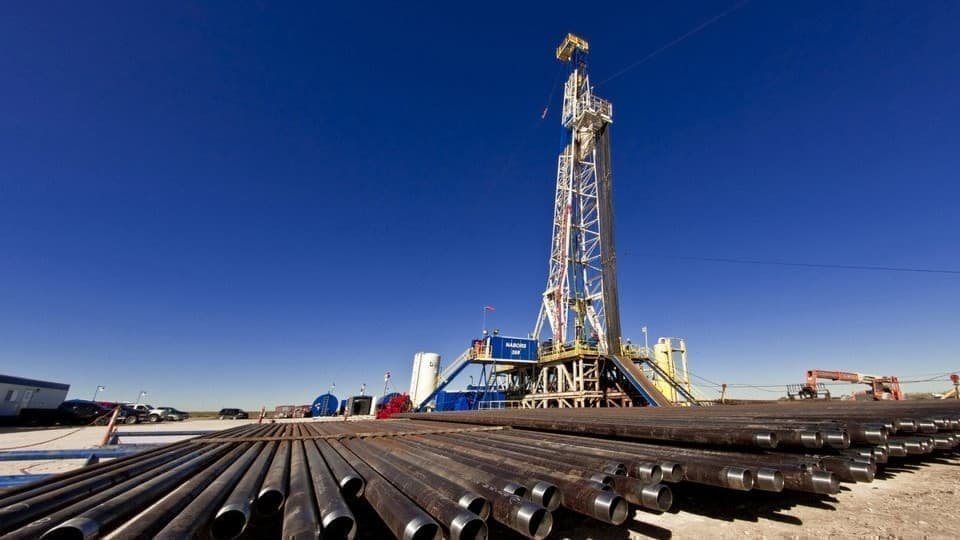
Regulatory compliance is a top priority for oil and gas companies involved in casing technology. Stringent regulations govern the design, installation, and operation of oil casing systems to ensure the safety of workers, protect the environment, and prevent potential hazards. Compliance with these regulations is not only a legal requirement but also essential for maintaining the industry’s social license to operate. Companies must stay abreast of changing regulations, implement robust compliance programs, and conduct regular audits to ensure adherence to the highest standards of safety and environmental protection.
In addition to regulatory compliance, the environmental impact of oil casing technology is a significant concern for industry stakeholders. The extraction and production of oil can have far-reaching environmental consequences, including habitat disruption, water contamination, and greenhouse gas emissions. Oil casing technology plays a crucial role in mitigating these impacts by preventing oil and gas leaks, controlling well pressure, and ensuring the integrity of the wellbore. Companies are increasingly investing in innovative casing technologies that minimize environmental footprint and enhance operational efficiency.
One of the key challenges in addressing the environmental impact of oil casing technology is the proper disposal of casing materials. Casing components are often made of steel, which can be difficult to recycle or dispose of responsibly. Improper disposal of casing materials can lead to soil and water contamination, posing risks to human health and the environment. Companies are exploring alternative materials and recycling methods to reduce the environmental footprint of casing technology and promote sustainability across the industry.
Furthermore, the development of advanced monitoring and detection technologies is essential for ensuring the integrity of oil casing systems and preventing environmental incidents. Real-time monitoring systems, such as sensors and data analytics, enable companies to detect anomalies in casing integrity and well performance, allowing for timely intervention and maintenance. These technologies not only enhance operational safety but also contribute to reducing the environmental impact of oil and gas operations.
In conclusion, navigating the challenges and opportunities in the regulatory compliance and environmental impact of oil casing technology requires a holistic approach that integrates regulatory compliance, environmental stewardship, and technological innovation. By prioritizing safety, sustainability, and operational excellence, companies can uphold the highest standards of environmental protection while maximizing the efficiency and productivity of oil and gas operations. As the industry continues to evolve, collaboration among industry stakeholders, regulators, and environmental advocates will be essential in shaping a sustainable future for oil casing technology.