Sifa za Nyenzo kwa Uteuzi wa Kabati la Mafuta
Upinzani wa Kutu katika Nyenzo za Kufunga Mafuta
 Athari ya Joto na Shinikizo kwenye Utendaji wa Nyenzo ya Casing
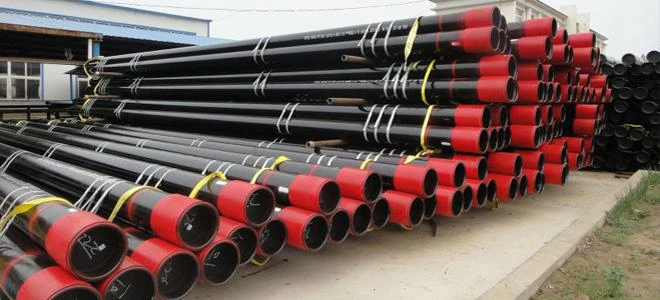
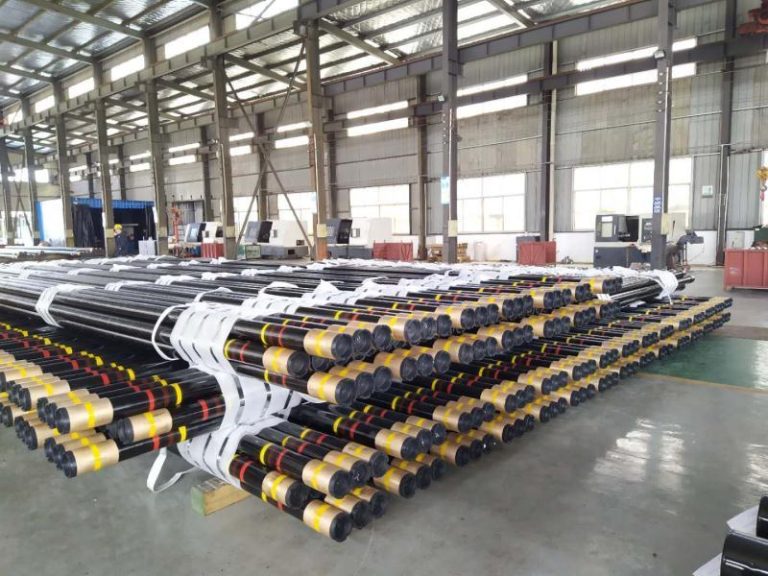
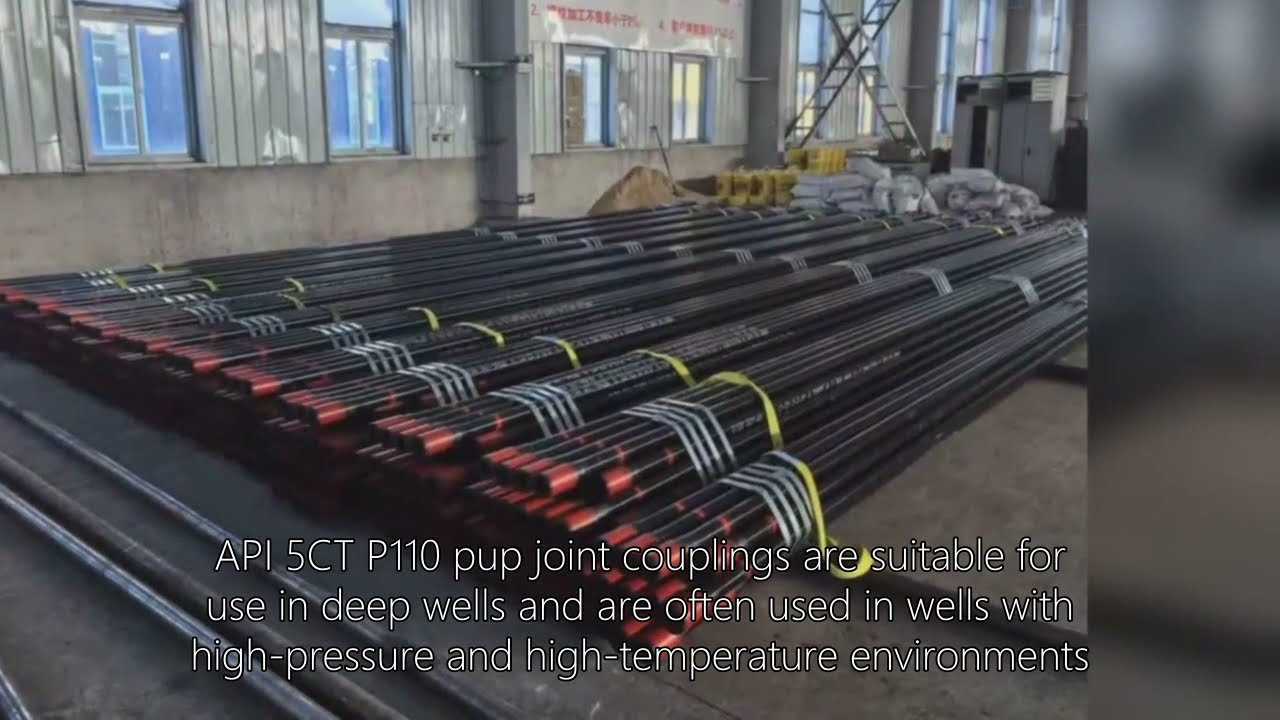
Utendaji wa vifaa vya kuhifadhia mafuta huathiriwa kwa kiasi kikubwa na hali ya mazingira ambamo vinafanya kazi, hasa halijoto na shinikizo. Mambo haya mawili ni muhimu katika kuamua mali ya mitambo na uadilifu wa jumla wa vifaa vya casing vinavyotumiwa katika visima vya mafuta na gesi. Joto linapoongezeka, sifa za nyenzo za casing zinaweza kubadilika, na kusababisha mabadiliko ya nguvu, ductility, na ugumu. Kwa mfano, katika halijoto ya juu, nyenzo fulani zinaweza kupata upungufu wa nguvu ya mavuno, ambayo inaweza kuathiri uwezo wao wa kuhimili mikazo inayowekwa wakati wa shughuli za kuchimba visima na uzalishaji. Jambo hili linafaa hasa katika visima vya joto la juu, ambapo athari za joto zinaweza kusababisha kushindwa mapema ikiwa nyenzo za casing hazitachaguliwa vya kutosha.
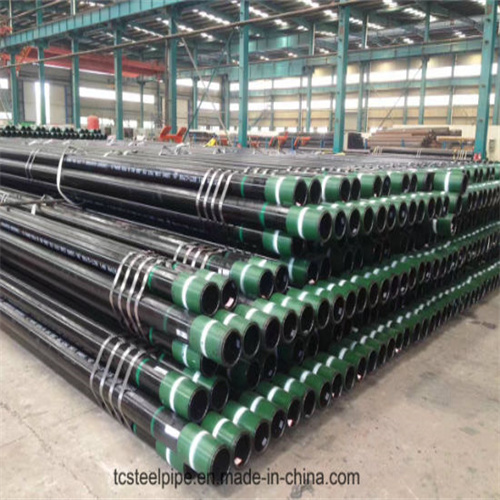
API 5ct l80 CASING Mtengenezaji Bora wa Kichina Zaidi ya hayo, hali ya shinikizo inayopatikana katika visima vya mafuta na gesi inaweza zaidi. magumu ya utendaji wa vifaa vya casing. Mazingira ya shinikizo la juu yanaweza kuibua mikazo kubwa kwenye casing, na hivyo kuhitaji nyenzo ambazo zinaweza kustahimili hali hizi bila kuzaa au kuvunjika. Mwingiliano kati ya halijoto na shinikizo pia ni muhimu, kwani halijoto iliyoinuka inaweza kuzidisha athari za shinikizo la juu, na kusababisha jambo linalojulikana kama upanuzi wa joto. Upanuzi huu unaweza kuunda mikazo ya ziada ndani ya casing, ambayo inaweza kusababisha kuunganishwa au aina nyingine za kushindwa kwa mitambo. Kwa hivyo, kuelewa mwingiliano kati ya halijoto na shinikizo ni muhimu kwa kuchagua nyenzo zifaazo za kabati ambazo zinaweza kudumisha uadilifu wao katika maisha yote ya kisima.
Mbali na sifa za kimitambo, upatanifu wa kemikali wa nyenzo za casing na vimiminika watakavyokumbana nazo ni jambo lingine. kuzingatia muhimu. Uwepo wa dutu babuzi, kama vile sulfidi hidrojeni au dioksidi kaboni, unaweza kuathiri kwa kiasi kikubwa maisha marefu na utendaji wa nyenzo za casing. Viwango vya juu vya joto vinaweza kuharakisha michakato ya kutu, na kuifanya iwe muhimu kuchagua nyenzo ambazo sio tu kuwa na nguvu muhimu za kiufundi lakini pia zinaonyesha upinzani dhidi ya kutu chini ya hali maalum ya joto na shinikizo. Mahitaji haya mawili yanasisitiza umuhimu wa michakato ya kina ya uteuzi wa nyenzo ambayo inazingatia vipengele vya kiufundi na kemikali.
Aidha, michakato ya utengenezaji inayotumiwa kuzalisha nyenzo za casing inaweza pia kuathiri utendaji wao chini ya hali tofauti za joto na shinikizo. Kwa mfano, taratibu za matibabu ya joto zinaweza kuimarisha mali ya mitambo ya casings ya chuma, na kuwafanya kuwa yanafaa zaidi kwa matumizi ya shinikizo la juu. Hata hivyo, matibabu yasiyofaa ya joto yanaweza kusababisha brittleness, ambayo inaweza kuwa na madhara katika mazingira ya juu ya dhiki. Kwa hivyo, ni muhimu kuhakikisha kwamba michakato ya utengenezaji inalingana na utumizi uliokusudiwa wa nyenzo za casing, kwa kuzingatia hali maalum ya joto na shinikizo watakayokabili.
Kwa kuhitimisha, athari za halijoto na shinikizo kwenye utendaji wa mafuta. vifaa vya casing haviwezi kuwa overstated. Mambo haya huchukua jukumu muhimu katika kubainisha sifa za kiufundi, upatanifu wa kemikali, na uadilifu wa jumla wa nyenzo zinazotumiwa katika visima vya mafuta na gesi. Uelewa wa kina wa jinsi halijoto na shinikizo huingiliana ni muhimu kwa kuchagua nyenzo zinazofaa za casing ambazo zinaweza kustahimili hali ngumu ya mazingira ya chini ya uso. Kwa kuzingatia vipengele hivi kwa makini wakati wa mchakato wa uteuzi wa nyenzo, waendeshaji wanaweza kuimarisha uaminifu na usalama wa shughuli zao za uchimbaji na uzalishaji, na hatimaye kusababisha uchimbaji wa rasilimali kwa ufanisi zaidi na kupunguza hatari ya kushindwa.
Corrosion resistance in Oil Casing Materials
Corrosion resistance is a critical factor in the selection of oil casing materials, as it directly impacts the longevity and integrity of Oil Wells. The Oil and Gas industry operates in environments that expose materials to various corrosive agents, including hydrogen sulfide, carbon dioxide, and chlorides, which can significantly degrade the performance of casing materials over time. Therefore, understanding the mechanisms of corrosion and the properties of different materials is essential for ensuring the reliability of oil casing systems.
When selecting materials for oil casing, it is imperative to consider the specific environmental conditions of the well. For instance, wells located in sour service environments, where hydrogen sulfide is present, require materials that can withstand sulfide stress cracking. In such cases, high-strength low-alloy Steels or corrosion-resistant alloys are often preferred due to their enhanced mechanical properties and resistance to hydrogen embrittlement. Additionally, the use of protective coatings can further improve the corrosion resistance of these materials, providing an extra layer of defense against aggressive corrosive agents.
Another important aspect to consider is the temperature and pressure conditions within the well. Elevated temperatures can accelerate corrosion processes, making it crucial to select materials that maintain their integrity under such conditions. For example, Stainless Steels, particularly tHose with higher nickel content, exhibit excellent resistance to pitting and crevice corrosion at elevated temperatures, making them suitable for high-pressure applications. Furthermore, the selection of materials must also account for the potential for galvanic corrosion, which can occur when dissimilar metals are in contact in the presence of an electrolyte. To mitigate this risk, it is advisable to use materials that are compatible with one another or to employ insulating materials to separate them.
In addition to the mechanical and chemical properties of the materials, the manufacturing processes used to produce oil casing also play a significant role in their corrosion resistance. For instance, the heat treatment processes can influence the microstructure of the steel, thereby affecting its susceptibility to corrosion. Properly controlled heat treatment can enhance the toughness and ductility of the material, which are essential for withstanding the harsh conditions encountered in oil wells. Moreover, the quality of the welds and joints in the casing system is critical, as poorly executed welds can become points of weakness that are more prone to corrosion.
Regular monitoring and Maintenance of oil casing materials are also vital for ensuring their long-term performance. Implementing corrosion monitoring techniques, such as corrosion coupons or electronic sensors, can provide valuable data on the corrosion rates and help operators make informed decisions regarding maintenance and replacement. Additionally, the use of corrosion inhibitors can be an effective strategy to mitigate corrosion in certain environments, further extending the life of the casing materials.
In conclusion, the selection of oil casing materials with adequate corrosion resistance is paramount for the successful operation of oil wells. By considering the specific environmental conditions, material properties, manufacturing processes, and ongoing maintenance strategies, operators can significantly reduce the risk of corrosion-related failures. This proactive approach not only enhances the safety and efficiency of oil extraction but also contributes to the overall sustainability of the industry by minimizing the environmental impact associated with casing failures. Ultimately, investing in high-quality, corrosion-resistant materials is essential for the long-term viability of oil and gas operations.
Impact of Temperature and Pressure on Casing Material Performance
The performance of oil casing materials is significantly influenced by the environmental conditions in which they operate, particularly temperature and pressure. These two factors are critical in determining the mechanical properties and overall integrity of casing materials used in oil and gas wells. As the temperature increases, the material properties of casing can change, leading to alterations in strength, ductility, and toughness. For instance, at elevated temperatures, certain materials may experience a reduction in yield strength, which can compromise their ability to withstand the stresses imposed during drilling and production operations. This phenomenon is particularly relevant in high-temperature wells, where the thermal effects can lead to premature failure if the casing materials are not adequately selected.
API 5CT L80 CASING chinese Best ManufacturerMoreover, the pressure conditions encountered in oil and gas wells can further complicate the performance of casing materials. High-pressure environments can induce significant stresses on the casing, necessitating materials that can endure these conditions without yielding or fracturing. The interaction between temperature and pressure is also crucial, as elevated temperatures can exacerbate the effects of high pressure, leading to a phenomenon known as thermal expansion. This expansion can create additional stresses within the casing, potentially resulting in buckling or other forms of mechanical failure. Therefore, understanding the interplay between temperature and pressure is essential for selecting appropriate casing materials that can maintain their integrity throughout the life of the well.
In addition to mechanical properties, the chemical compatibility of casing materials with the fluids they will encounter is another vital consideration. The presence of corrosive substances, such as hydrogen sulfide or carbon dioxide, can significantly affect the longevity and performance of casing materials. High temperatures can accelerate corrosion processes, making it imperative to choose materials that not only possess the necessary mechanical strength but also exhibit resistance to corrosion under specific temperature and pressure conditions. This dual requirement underscores the importance of thorough material selection processes that take into account both mechanical and chemical factors.
Furthermore, the manufacturing processes used to produce casing materials can also influence their performance under varying temperature and pressure conditions. For example, the heat treatment processes can enhance the mechanical properties of steel casings, making them more suitable for high-pressure applications. However, improper heat treatment can lead to brittleness, which may be detrimental in high-stress environments. Therefore, it is essential to ensure that the manufacturing processes align with the intended application of the casing materials, taking into consideration the specific temperature and pressure conditions they will face.
In conclusion, the impact of temperature and pressure on the performance of oil casing materials cannot be overstated. These factors play a pivotal role in determining the mechanical properties, chemical compatibility, and overall integrity of the materials used in oil and gas wells. A comprehensive understanding of how temperature and pressure interact is crucial for selecting the appropriate casing materials that can withstand the harsh conditions of the subsurface environment. By carefully considering these elements during the material selection process, operators can enhance the reliability and safety of their drilling and production operations, ultimately leading to more efficient resource extraction and reduced risk of failure.