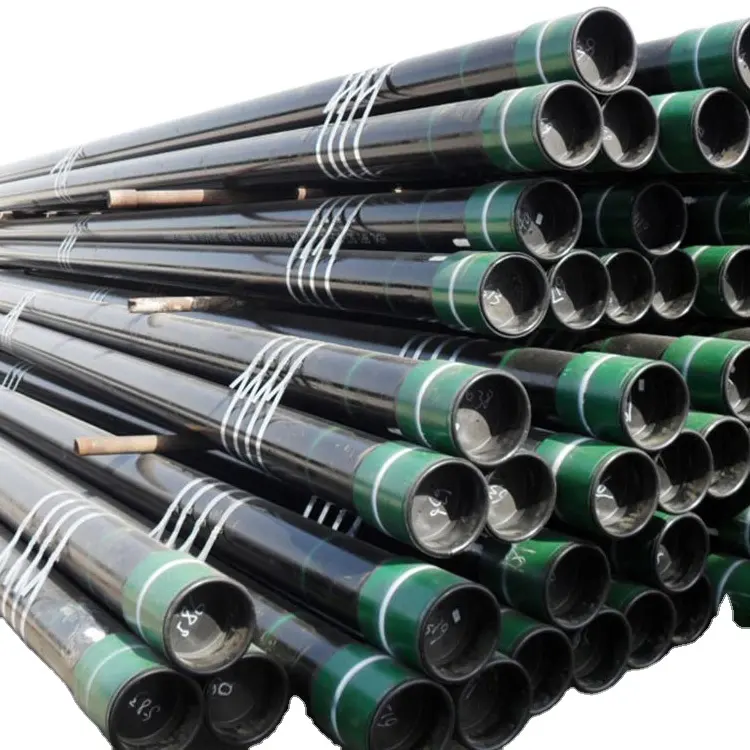
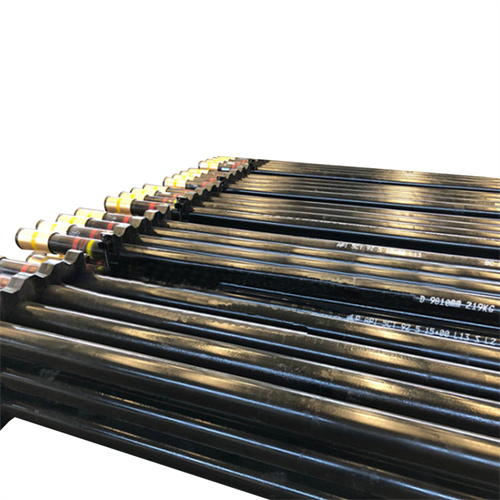
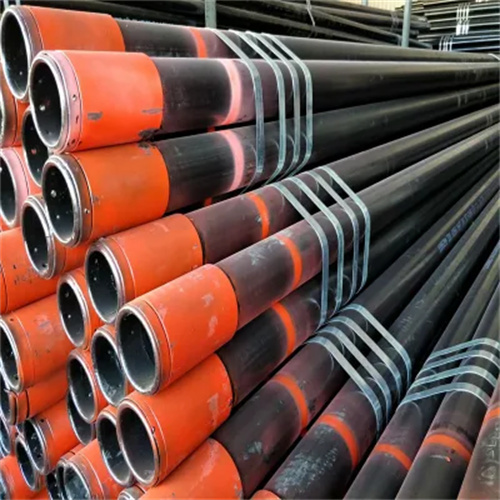
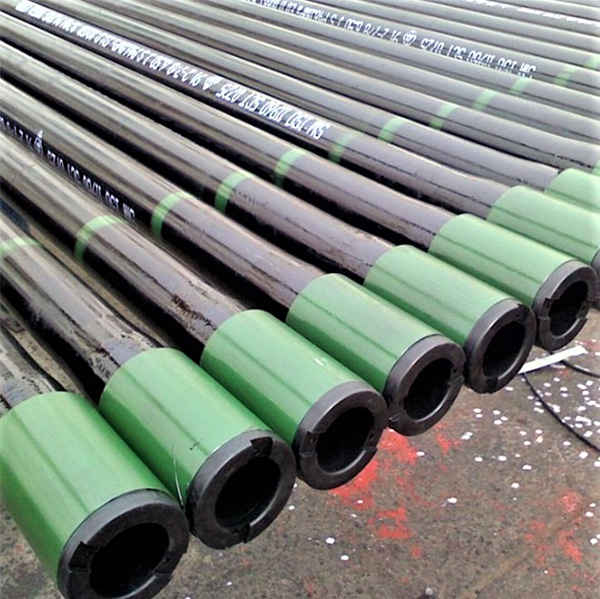
Specifications Muhimu za API 5ct grade J55 Casing Pipe
Matumizi na Matumizi ya API 5CT Grade J55 casing Pipe
Ulinganisho wa API 5CT Grade J55 na Daraja Zingine za Casing Pipe
API 5CT Grade J55 Notable Casing Pipe
API 5CT Grade J55 ni daraja la bomba la kabati linalotumika sana katika tasnia ya mafuta ya petroli kwa sababu ya ufaafu wake wa gharama na kufaa kwa matumizi mbalimbali. Kuelewa sifa zake na kuilinganisha na madaraja mengine ni muhimu kwa kufanya maamuzi sahihi katika uendeshaji wa mafuta na gesi.
Mibomba ya vifuniko ya daraja la J55 inajulikana kwa nguvu zake za wastani na utendakazi mzuri wa kulehemu. Hutumika hasa katika visima vya kina kifupi hadi cha kati ambapo hali ya kijiolojia haihitajiki sana. Muundo wa kemikali wa J55 ni pamoja na kaboni, manganese, na silicon, kuhakikisha sifa za kutosha za mitambo na upinzani dhidi ya kutu katika mazingira ya wastani. Daraja hili linapendelewa hasa kwa usawa wake kati ya utendakazi na gharama, na kuifanya kuwa ya kiuchumi kwa miradi mingi ya kuchimba visima.
Kulinganisha API 5CT Daraja la J55 na madaraja mengine ya bomba la casing inaonyesha faida na mambo yanayozingatiwa tofauti. Tofauti moja maarufu ni API 5CT Grade K55, ambayo inashiriki utungaji sawa wa kemikali lakini hutofautiana kidogo katika sifa za kiufundi. Daraja la K55 lina nguvu ya juu zaidi ya kustahimili na kutoa mavuno ikilinganishwa na J55, na kuifanya kufaa kwa visima vyenye kina kirefu na hali ngumu zaidi ya kuchimba visima. Hata hivyo, Daraja la K55 pia linaweza kugharimu zaidi kutokana na sifa zake za utendakazi zilizoimarishwa.
Kinyume chake, mabomba ya API 5CT ya Daraja la N80 hutoa sifa bora za kiufundi ikilinganishwa na J55 na K55. Daraja la N80 lina nguvu ya juu zaidi ya mkazo, ugumu, na upinzani dhidi ya kutu, ambayo ni muhimu kwa mazingira magumu zaidi ya kuchimba visima kama vile visima virefu na miundo mikali ya kijiolojia. Licha ya faida zake, Daraja la N80 linaelekea kuwa ghali zaidi kuliko J55 na K55, ambayo inaweza kuathiri uzingatiaji wa gharama katika upangaji wa mradi.
Ulinganisho mwingine muhimu ni wa mabomba ya casing ya API 5CT ya Daraja la l80, ambayo yanajulikana kwa sifa bora za kiufundi na upinzani dhidi ya. kutu. Daraja la L80 linafaa kwa visima vilivyo na mazingira ya shinikizo la juu na hali ya kutu, ambapo uimara na kuegemea ni muhimu. Hata hivyo, maudhui ya juu ya aloi ya L80 huchangia kuongezeka kwa gharama, na kuifanya chaguo kwa miradi ambapo utendaji unazidi wasiwasi wa matumizi ya awali.
Kwa waendeshaji na wahandisi kuchagua mabomba ya casing, chaguo kati ya darasa tofauti, ikiwa ni pamoja na J55, inategemea hali maalum ya kisima. , vikwazo vya bajeti, na malengo ya muda mrefu ya uendeshaji. Ingawa J55 inatoa faida za kiuchumi na utendaji wa kuridhisha katika hali ya wastani, alama za juu kama N80 na L80 hutoa uwezo ulioimarishwa kwa hali ngumu zaidi za uchimbaji.
Ni muhimu kuzingatia mambo kama vile kina, sifa za kijiolojia, mahitaji ya uzalishaji, na mgao wa bajeti wakati kutathmini chaguzi za bomba la casing. Kushirikiana kwa karibu na wasambazaji na watengenezaji huhakikisha kwamba daraja lililochaguliwa linakidhi vipimo vyote vya kiufundi na mahitaji ya udhibiti kwa ajili ya uendeshaji salama na wa ufanisi wa visima.
Kwa kumalizia, API 5CT Grade J55 inajitokeza kama chaguo la gharama nafuu na linalofaa zaidi kwa ajili ya casing mabomba katika mafuta ya petroli. viwanda. Mchanganyiko wake wa usawa wa sifa za mitambo, upinzani wa kutu, na weldability huifanya kufaa kwa matumizi mbalimbali ya kuchimba visima, hasa katika visima vya kina kirefu hadi vya kati. Inapolinganisha J55 na madaraja mengine kama vile K55, N80, na L80, waendeshaji lazima wapime mahitaji mahususi ya utendakazi dhidi ya bajeti za mradi ili kufanya maamuzi sahihi. Kwa kuelewa tofauti hizi, washikadau wanaweza kuongeza ufanisi wa ujenzi wa kisima na utendaji kazi huku wakidumisha ufanisi wa gharama katika shughuli za utafutaji na uzalishaji wa mafuta na gesi.
Beyond its primary application in the Oil and Gas sector, API 5CT Grade J55 casing pipe also finds utility in geothermal wells. These wells, which exploit heat from beneath the earth’s surface, require durable casing that can withstand the demanding conditions associated with geothermal energy extraction. The Corrosion resistance and thermal stability of Grade J55 make it an ideal choice for such applications, ensuring prolonged operational life and minimal Maintenance requirements.
Moreover, API 5CT Grade J55 casing pipe plays a crucial role in environmental remediation projects. These projects often involve drilling activities to monitor or mitigate contamination in soil and groundwater. The casing pipe’s ability to protect the wellbore and maintain well integrity is essential in ensuring the success of these remediation efforts. Its reliable performance in adverse environmental conditions makes it a preferred option for such critical applications.
In addition to its industrial applications, API 5CT Grade J55 casing pipe is utilized in Construction projects that involve directional drilling and trenchless technology. These methods require casing Pipes that can navigate through challenging subsurface conditions while maintaining structural integrity. The durability and flexibility of Grade J55 casing pipe enable contractors to execute these projects efficiently, minimizing disruption to surrounding infrastructure and reducing overall project costs.
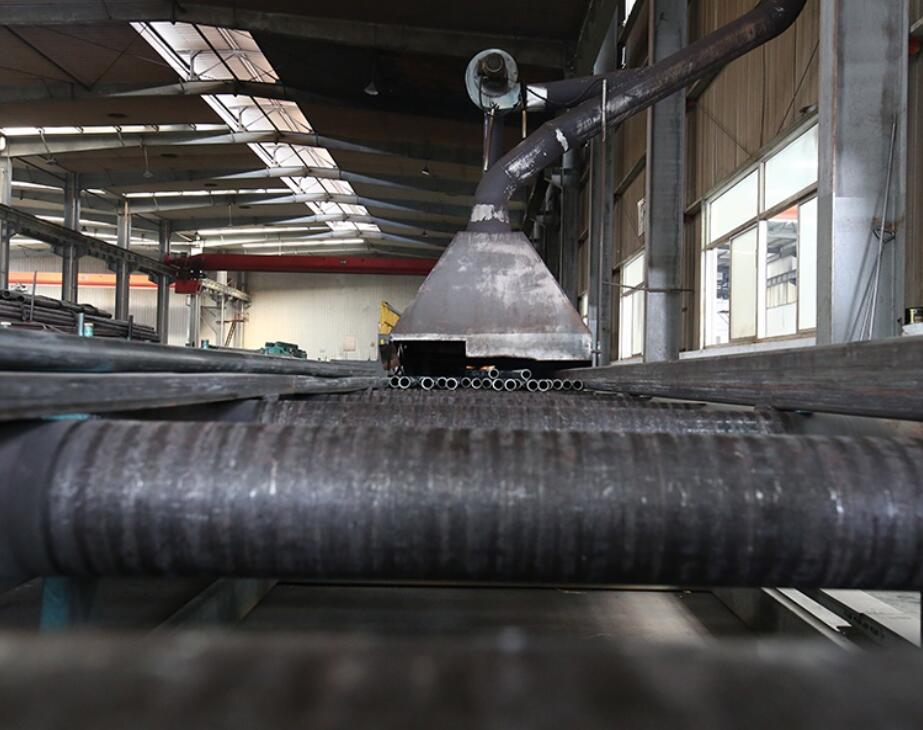 Furthermore, API 5CT Grade J55 casing pipe contributes to the sustainability of water resource management through its application in water wells. These wells provide essential water supply for agricultural, industrial, and municipal purposes. The casing pipe’s resistance to corrosion and chemical stability ensure the purity and safety of the water extracted, meeting stringent regulatory standards for potable water.
In conclusion, API 5CT Grade J55 casing pipe stands out for its versatility and reliability across a spectrum of industries and applications. From oil and gas exploration to geothermal energy, environmental remediation, construction, and water resource management, this grade of casing pipe contiNues to demonstrate its value in safeguarding operations and enhancing efficiency. Its robust design, coupled with adherence to strict manufacturing standards, underscores its reputation as a preferred choice for demanding drilling and construction projects worldwide. As industries evolve and technological advancements continue to drive innovation, API 5CT Grade J55 casing pipe remains at the forefront, meeting the diverse needs of modern infrastructure and resource development.
Comparison of API 5CT Grade J55 with Other Casing pipe grades
API 5CT Grade J55 Notable Casing Pipe
API 5CT Grade J55 is a widely used casing pipe grade in the Petroleum Industry due to its cost-effectiveness and suitability for various applications. Understanding its characteristics and comparing it with other grades is crucial for making informed decisions in oil and gas operations.
Grade J55 casing pipes are known for their moderate strength and good welding performance. They are primarily used in shallow to medium-depth wells where geological conditions are relatively less demanding. The chemical composition of J55 includes carbon, manganese, and silicon, ensuring adequate mechanical properties and resistance to corrosion in mild environments. This grade is particularly favored for its balance between performance and cost, making it economical for many drilling projects.
Comparing API 5CT Grade J55 with other casing pipe grades reveals distinct advantages and considerations. One prominent contrast is with API 5CT Grade K55, which shares similar chemical composition but differs slightly in mechanical properties. Grade K55 has higher tensile strength and yield strength compared to J55, making it suitable for deeper wells and more challenging drilling conditions. However, Grade K55 may also come at a higher cost due to its enhanced performance characteristics.
In contrast, API 5CT Grade N80 Casing pipes offer superior mechanical properties compared to both J55 and K55. Grade N80 has higher tensile strength, hardness, and resistance to corrosion, which are essential for more demanding drilling environments such as deep wells and harsh geological formations. Despite its advantages, Grade N80 tends to be more expensive than J55 and K55, which can influence cost considerations in project planning.
Another important comparison is with API 5CT Grade L80 casing pipes, which are known for their excellent mechanical properties and resistance to corrosion. Grade L80 is suitable for wells with high-pressure environments and corrosive conditions, where durability and reliability are critical. However, the higher alloy content of L80 contributes to increased costs, making it a choice for projects where performance outweighs initial expenditure concerns.
For operators and engineers selecting casing pipes, the choice between different grades, including J55, depends on specific well conditions, budget constraints, and long-term operational goals. While J55 offers economic advantages and satisFactory performance in moderate conditions, higher grades like N80 and L80 provide enhanced capabilities for more challenging drilling scenarios.
It is essential to consider factors such as well depth, geological characteristics, production requirements, and budget allocations when evaluating casing pipe options. Collaborating closely with Suppliers and Manufacturers ensures that the selected grade meets all technical specifications and regulatory requirements for safe and efficient well operations.
In conclusion, API 5CT Grade J55 stands out as a cost-effective and versatile option for casing pipes in the petroleum industry. Its balanced combination of mechanical properties, corrosion resistance, and weldability makes it suitable for a wide range of drilling applications, particularly in shallow to medium-depth wells. When comparing J55 with other grades such as K55, N80, and L80, operators must weigh the specific performance requirements against project budgets to make informed decisions. By understanding these distinctions, stakeholders can optimize well construction and operational efficiency while maintaining cost-effectiveness in oil and gas exploration and production activities.