Manufaa ya Kutumia Bomba la API 5ct kwa Matumizi ya Mafuta na Gesi
Tofauti Muhimu Kati ya Bomba la API 5CT na Bomba la API 5L
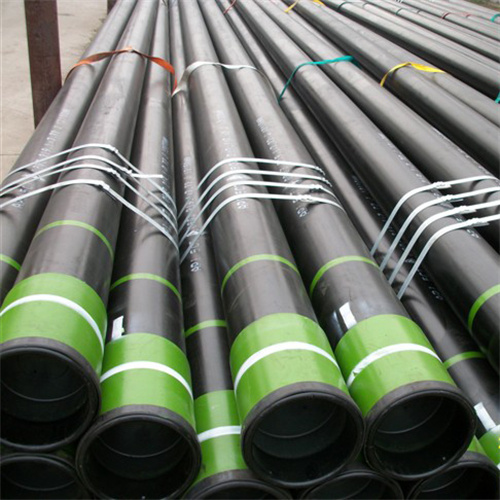
 API 5CT bomba na API 5L bomba ni aina mbili za mabomba zinazotumika katika sekta ya mafuta na gesi. Ingawa zinaweza kuonekana kuwa sawa katika mtazamo wa kwanza, kuna tofauti kuu kati ya hizo mbili ambazo ni muhimu kueleweka.
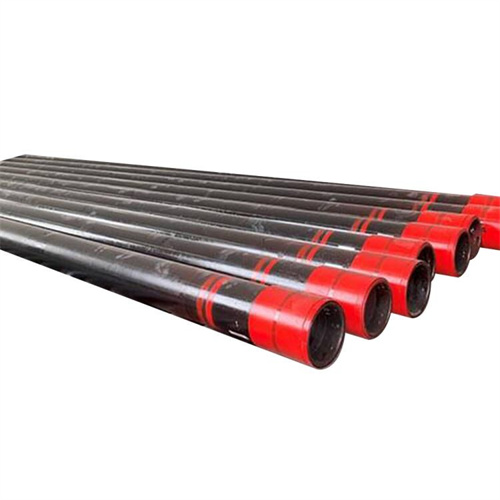
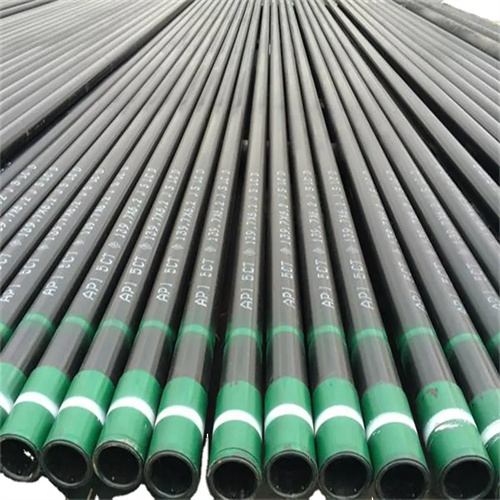
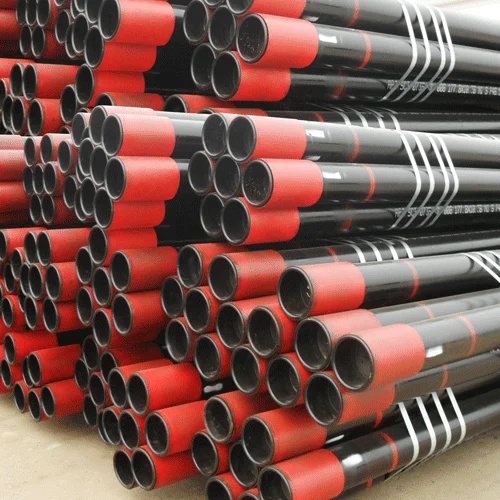
Bomba la API 5CT hutumiwa kimsingi katika kuweka vifuko na mirija kwa visima vya mafuta. Imeundwa kulinda kisima na kutoa msaada wa kimuundo kwa mchakato wa kuchimba visima. Bomba la API 5CT limetengenezwa kwa chuma cha kaboni na linapatikana katika madaraja mbalimbali, ikijumuisha J55, K55, N80, l80, na P110. Madaraja haya yana sifa tofauti za kiufundi na yanafaa kwa aina tofauti za visima na hali ya uendeshaji.
Kwa upande mwingine, bomba la API 5L hutumika kusafirisha mafuta na gesi kutoka kwa vifaa vya uzalishaji hadi viwandani vya kusafisha na mitambo mingine ya usindikaji. Imeundwa kuhimili shinikizo la juu na hali ya joto na inafanywa kutoka kwa chuma cha kaboni au chuma cha alloy. Bomba la API 5L linapatikana katika madaraja mawili – A na B – huku daraja B likiwa ndilo linalotumika sana kwa utumaji bomba.
Zana za Mafuta ya downhole
Mojawapo ya tofauti kuu kati ya bomba la API 5CT na bomba la API 5L ni matumizi yanayokusudiwa. Wakati bomba la API 5CT linatumika kwa Casing na neli kwenye visima vya mafuta, bomba la API 5L hutumika kusafirisha mafuta na gesi kwa umbali mrefu. Tofauti hii ya matumizi pia husababisha tofauti katika mchakato wa utengenezaji na vipimo vya aina mbili za mabomba.
Bomba la API 5CT linatengenezwa ili kukidhi mahitaji maalum ya casing na neli katika visima vya mafuta. Hii inajumuisha uvumilivu mkali wa dimensional, mipaka ya utungaji wa kemikali, na sifa za mitambo. Bomba la API 5CT pia hufanyiwa majaribio mbalimbali, kama vile upimaji wa hydrostatic, upimaji usioharibu, na ukaguzi wa kuona, ili kuhakikisha ubora na uadilifu wake.
Kwa upande mwingine, bomba la API 5L hutengenezwa ili kukidhi mahitaji maalum ya kusafirisha mafuta. na gesi kwenye mabomba. Hii inajumuisha uvumilivu mkali wa dimensional, mipaka ya utungaji wa kemikali, na sifa za mitambo. Bomba la API 5L pia hufanyiwa majaribio mbalimbali, kama vile majaribio ya hydrostatic, majaribio yasiyo ya uharibifu, na ukaguzi wa kuona, ili kuhakikisha ubora na uadilifu wake.
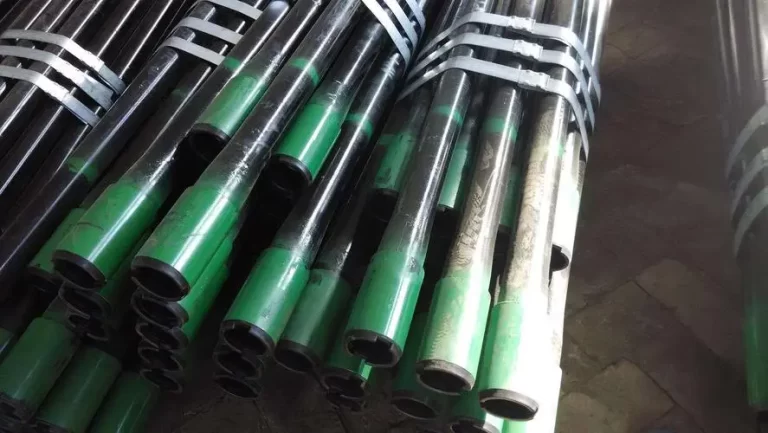
Tofauti nyingine kuu kati ya bomba la API 5CT na bomba la API 5L ni aina za muunganisho wake. Bomba la API 5CT kwa kawaida hutumia miunganisho yenye nyuzi au miunganisho ya kulipia, kama vile viunganishi vya buttress au VAM, ili kuhakikisha muhuri mkali na kuzuia uvujaji kwenye kisima. Bomba la API 5L, kwa upande mwingine, hutumia viunganishi vilivyochochewa, kama vile kulehemu kwa mshono wa longitudinal au ond, ili kuhakikisha muunganisho thabiti na wa kudumu wa kusafirisha mafuta na gesi kwa umbali mrefu.
Kwa kumalizia, bomba la API 5CT na bomba la API 5L aina mbili za kawaida za mabomba kutumika katika sekta ya mafuta na gesi. Ingawa zinaweza kuonekana sawa, kuna tofauti kuu kati ya hizo mbili katika suala la matumizi yao yaliyokusudiwa, mchakato wa utengenezaji, vipimo, na aina za unganisho. Kuelewa tofauti hizi ni muhimu kwa kuchagua aina sahihi ya bomba kwa matumizi maalum katika tasnia ya mafuta na gesi.
API 5CT Pipe and API 5L pipe are two common types of Pipes used in the Oil and Gas industry. While they may seem similar at first glance, there are key Differences between the two that are important to understand.
API 5CT pipe is primarily used in casing and Tubing for Oil Wells. It is designed to protect the wellbore and provide structural support for the drilling process. API 5CT pipe is made from Carbon Steel and is available in various grades, including J55, K55, N80, L80, and P110. These grades have different mechanical properties and are suitable for different types of wells and operating conditions.
On the other hand, API 5L pipe is used for transporting oil and gas from production facilities to refineries and other processing plants. It is designed to withstand high pressure and temperature conditions and is made from carbon steel or alloy steel. API 5L pipe is available in two grades – A and B – with grade B being the most commonly used for pipeline applications.
Downhole Oil Tools
One of the key differences between API 5CT pipe and API 5L pipe is their intended use. While API 5CT pipe is used for casing and tubing in oil wells, API 5L pipe is used for transporting oil and gas over long distances. This difference in application also leads to differences in the manufacturing process and specifications of the two types of pipes.
API 5CT pipe is manufactured to meet specific requirements for casing and tubing in oil wells. This includes strict dimensional tolerances, chemical composition limits, and mechanical properties. API 5CT pipe is also subjected to various tests, such as Hydrostatic testing, Non-destructive testing, and visual inspection, to ensure its quality and integrity.
On the other hand, API 5L pipe is manufactured to meet specific requirements for transporting oil and gas in pipelines. This includes strict dimensional tolerances, chemical composition limits, and mechanical properties. API 5L pipe is also subjected to various tests, such as hydrostatic testing, non-destructive testing, and visual inspection, to ensure its quality and integrity.
Another key difference between API 5CT pipe and API 5L pipe is their Connection types. API 5CT pipe typically uses Threaded connections or premium connections, such as buttress or VAM connections, to ensure a tight Seal and prevent leaks in the wellbore. API 5L pipe, on the other hand, uses welded connections, such as longitudinal or spiral seam welding, to ensure a strong and durable connection for transporting oil and gas over long distances.
In conclusion, API 5CT pipe and API 5L pipe are two common types of pipes used in the oil and gas industry. While they may seem similar, there are key differences between the two in terms of their intended use, manufacturing process, specifications, and connection types. Understanding these differences is important for selecting the right type of pipe for a specific application in the oil and gas industry.