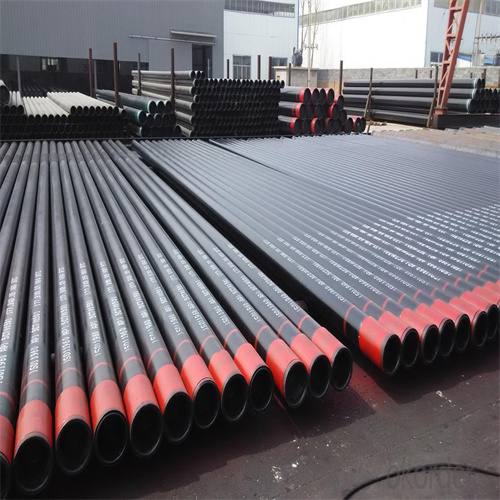
Mbinu Bunifu za Tathmini Bunifu za Uadilifu wa Casing ya Mafuta
discovery 2 transfer case Oil capacity

Matumizi ya Teknolojia ya Kina katika Tathmini na Ufuatiliaji wa Casing ya Mafuta
Sekta ya mafuta na gesi kwa muda mrefu imekuwa mstari wa mbele katika uvumbuzi wa kiteknolojia, hasa katika nyanja ya tathmini na ufuatiliaji wa kabati ya mafuta. Kadiri mahitaji ya nishati yanavyozidi kuongezeka, hitaji la mbinu bora na za kuaminika za kutathmini uadilifu wa kabati za mafuta limezidi kuwa muhimu. Teknolojia za hali ya juu zimeibuka kama zana muhimu katika jitihada hii, kuwezesha waendeshaji kuimarisha usalama, kuboresha uzalishaji na kupunguza athari za mazingira. Mojawapo ya matumizi muhimu zaidi ya teknolojia hizi ni matumizi ya sensorer za hali ya juu na mifumo ya ufuatiliaji ambayo hutoa data ya wakati halisi juu ya hali ya kabati za mafuta. Vihisi hivi vinaweza kutambua hitilafu kama vile kutu, mabadiliko ya muundo na shinikizo, hivyo basi kuruhusu uingiliaji kati kwa wakati kabla ya matatizo madogo kuzidi kuwa matatizo makubwa. Kwa kutumia mbinu kama vile ufuatiliaji wa acoustic na upimaji wa sumakuumeme, waendeshaji wanaweza kupata maarifa kuhusu uadilifu wa muundo wa kabati, na kuhakikisha kwamba zinafaa kwa kusudi katika maisha yao yote ya uendeshaji.
Aidha, ujumuishaji wa akili bandia na ujifunzaji wa mashine katika tathmini ya kasha la mafuta. michakato imeleta m APInduzi katika jinsi data inavyochanganuliwa na kufasiriwa. Teknolojia hizi zinaweza kuchakata kiasi kikubwa cha data iliyokusanywa kutoka kwa vitambuzi mbalimbali, kubainisha ruwaza na kutabiri matatizo yanayoweza kutokea kwa usahihi wa ajabu. Njia hii ya utabiri wa matengenezo sio tu huongeza usalama wa shughuli za mafuta lakini pia hupunguza kwa kiasi kikubwa gharama za kupunguzwa na matengenezo. Kwa kutazamia masuala kabla hayajatokea, waendeshaji wanaweza kuratibu shughuli za matengenezo kwa ufanisi zaidi, na hivyo kuboresha ugawaji wa rasilimali na kuboresha ufanisi wa jumla wa utendakazi.
Mbali na ufuatiliaji wa wakati halisi na uchanganuzi wa kubashiri, teknolojia za hali ya juu pia zimewezesha ukuzaji wa uundaji wa hali ya juu na uigaji. zana. Zana hizi huruhusu wahandisi kuunda uigaji wa kina wa tabia ya kuweka mafuta chini ya hali mbalimbali, ikijumuisha mabadiliko ya shinikizo, halijoto na nguvu za nje. Kwa kuelewa jinsi casings inavyoitikia hali tofauti, waendeshaji wanaweza kufanya maamuzi sahihi kuhusu marekebisho ya muundo, uteuzi wa nyenzo na mazoea ya kufanya kazi. Mtazamo huu makini wa usimamizi wa casing sio tu kwamba huongeza usalama lakini pia huchangia maisha marefu ya miundombinu, hatimaye kusababisha mazoea endelevu zaidi ya uchimbaji wa mafuta.
Aidha, ujio wa teknolojia ya ndege zisizo na rubani umeleta mwelekeo mpya wa tathmini ya ukubwa wa mafuta. Ndege zisizo na rubani zilizo na kamera zenye mwonekano wa hali ya juu na uwezo wa kufikiria wa hali ya hewa ya joto zinaweza kufanya ukaguzi wa anga wa maeneo ya mafuta, na kutoa data muhimu ya kuona ambayo inakamilisha tathmini za msingi. Mtazamo huu wa angani unaruhusu utambuzi wa hitilafu za uso ambazo zinaweza kuonyesha masuala ya msingi na casing. Zaidi ya hayo, ndege zisizo na rubani zinaweza kufikia maeneo ya mbali au hatari ambayo yanaweza kuwa magumu au yasiyo salama kwa wakaguzi wa binadamu, na hivyo kuimarisha usalama na ufanisi wa jumla wa mchakato wa tathmini. na ufuatiliaji hauwezi kupitiwa. Mchanganyiko wa ukusanyaji wa data wa wakati halisi, uchanganuzi wa ubashiri, uundaji wa hali ya juu, na mbinu bunifu za ukaguzi umebadilisha jinsi waendeshaji wanavyoshughulikia usimamizi wa uadilifu wa casing. Kwa kutumia teknolojia hizi, makampuni hayawezi tu kuimarisha usalama na kutegemewa kwa shughuli zao bali pia kuchangia katika mustakabali endelevu wa nishati. Kwa kumalizia, matumizi ya teknolojia ya hali ya juu katika tathmini na ufuatiliaji wa kabati la mafuta yanawakilisha maendeleo makubwa katika sekta ya mafuta na gesi, kuwapa waendeshaji zana zinazohitajika ili kukabiliana na matatizo ya uzalishaji wa kisasa wa nishati huku wakiweka kipaumbele usalama na utunzaji wa mazingira. Wakati teknolojia hizi zinaendelea kukua, bila shaka zitakuwa na jukumu muhimu zaidi katika kuunda mustakabali wa uchimbaji wa mafuta na mazoea ya usimamizi.
Furthermore, the application of electromagnetic methods has proven effective in evaluating the condition of Oil Casing. These methods utilize electromagnetic fields to assess the integrity of the casing and surrounding formations. By measuring the response of the casing to these fields, operators can gain insights into the presence of corrosion or other defects that may compromise the casing’s structural integrity. This technique is particularly valuable in challenging environments where traditional inspection methods may be limited. In addition to these advanced techniques, the implementation of remote monitoring systems has become increasingly popular. These systems utilize sensors placed along the Length of the casing to continuously monitor various parameters, such as pressure, temperature, and fluid levels. By providing real-time data, operators can quickly identify any deviations from normal operating conditions, enabling them to take corrective actions before issues escalate.
As the industry contiNues to prioritize safety and environmental stewardship, the development of innovative techniques for assessing oil casing integrity will play a crucial role in shaping the future of Oil and Gas operations. The combination of advanced imaging technologies, artificial intelligence, acoustic emission testing, electromagnetic methods, and remote monitoring systems represents a significant leap forward in the ability to maintain the integrity of oil casing. By embracing these innovative approaches, operators can not only enhance the safety and reliability of their operations but also contribute to the sustainable development of the energy sector. Ultimately, the ongoing evolution of assessment techniques will ensure that the oil and gas industry can meet the demands of a changing world while safeguarding the environment and the communities in which it operates. As these technologies continue to advance, the potential for even more creative and effective assessments of oil casing integrity will undoubtedly emerge, paving the way for a more resilient and responsible industry.
Applications of Advanced Technologies in Oil Casing Evaluation and Monitoring
The oil and gas industry has long been at the forefront of technological innovation, particularly in the realm of oil casing evaluation and monitoring. As the demand for energy continues to rise, the need for efficient and reliable methods to assess the integrity of oil casings has become increasingly critical. Advanced technologies have emerged as pivotal tools in this endeavor, enabling operators to enhance safety, optimize production, and minimize environmental impact. One of the most significant applications of these technologies is the use of advanced sensors and monitoring systems that provide real-time data on the condition of oil casings. These sensors can detect anomalies such as corrosion, deformation, and pressure changes, allowing for timely interventions before minor issues escalate into major failures. By employing techniques such as acoustic monitoring and electromagnetic testing, operators can gain insights into the structural integrity of casings, ensuring that they remain fit for purpose throughout their operational life.
Moreover, the integration of artificial intelligence and machine learning into oil casing evaluation processes has revolutionized the way data is analyzed and interpreted. These technologies can process vast amounts of data collected from various sensors, identifying patterns and predicting potential failures with remarkable accuracy. This predictive Maintenance approach not only enhances the safety of oil operations but also significantly reduces downtime and maintenance costs. By anticipating issues before they arise, operators can schedule maintenance activities more effectively, thereby optimizing resource allocation and improving overall operational efficiency.
In addition to real-time monitoring and predictive analytics, advanced technologies have also facilitated the development of sophisticated modeling and simulation tools. These tools allow engineers to create detailed simulations of oil casing behavior under various conditions, including changes in pressure, temperature, and external forces. By understanding how casings respond to different scenarios, operators can make informed decisions regarding design modifications, Material selection, and operational practices. This proactive approach to casing management not only enhances safety but also contributes to the longevity of the infrastructure, ultimately leading to more sustainable oil extraction practices.
Furthermore, the advent of drone technology has introduced a new dimension to oil casing evaluation. Drones equipped with high-resolution cameras and thermal imaging capabilities can conduct aerial inspections of oil fields, providing valuable visual data that complements ground-based assessments. This aerial perspective allows for the identification of surface anomalies that may indicate underlying issues with the casing. Additionally, drones can access remote or hazardous locations that may be difficult or unsafe for human inspectors, thereby enhancing the overall safety and efficiency of the evaluation process.
As the industry continues to evolve, the importance of integrating advanced technologies into oil casing evaluation and monitoring cannot be overstated. The combination of real-time data collection, predictive analytics, sophisticated modeling, and innovative inspection methods has transformed the way operators approach casing integrity management. By leveraging these technologies, Companies can not only enhance the safety and reliability of their operations but also contribute to a more sustainable energy future. In conclusion, the applications of advanced technologies in oil casing evaluation and monitoring represent a significant advancement in the oil and gas sector, providing operators with the tools necessary to navigate the complexities of modern energy production while prioritizing safety and environmental stewardship. As these technologies continue to develop, they will undoubtedly play an increasingly vital role in shaping the future of oil extraction and management practices.