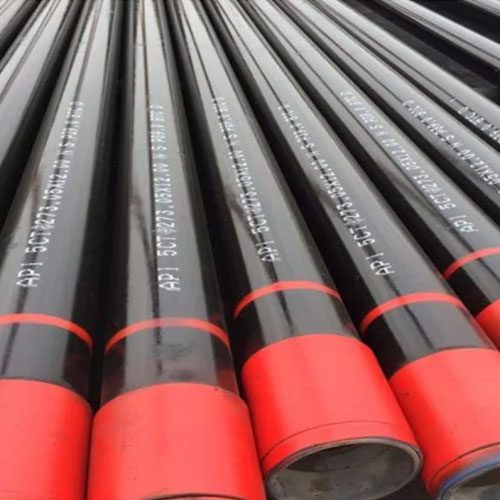
Kuelewa Matumizi Mengi ya Ufungaji wa Mafuta: Faida za Ushindani
Mazingira ya ushindani katika tasnia ya kifuko cha mafuta yanachangiwa na uvumbuzi wa kiteknolojia na azma ya kuimarishwa kwa utendakazi. Watengenezaji hujitahidi kila wakati kuunda nyenzo za Casing ambazo hutoa upinzani bora wa kutu, nguvu za mitambo na uthabiti wa joto. Maendeleo haya sio tu yanaongeza muda wa utendaji wa visima lakini pia hupunguza muda wa kupungua na kuongeza ufanisi wa jumla wa uzalishaji.
Aidha, uwekaji wa kimkakati wa teknolojia ya kabati inaweza kutoa ushindani katika mazingira yenye changamoto kama vile uchimbaji wa maji kwenye kina kirefu cha bahari. Hapa, casing lazima ihimili shinikizo kubwa la maji na hali ya hewa ya ukame huku ikihakikisha utimilifu wa kisima. Ubunifu katika michakato ya madini na utengenezaji umesababisha uundaji wa aloi na mipako yenye utendaji wa juu ambayo hupunguza kutu na kuongeza uimara wa muundo wa mifumo ya casing katika matumizi ya nje ya pwani.
Uadui wa kabati la mafuta pia unaenea hadi jukumu lake katika utunzaji na udhibiti wa mazingira. kufuata. Miundo ya kabati hujumuisha vipengele vinavyozuia uvujaji na kupunguza utoaji wa hewa chafu wakati wa kuchimba visima na uendeshaji wa uzalishaji, kwa kuzingatia viwango vikali vya mazingira na mbinu bora za sekta. Kwa kupunguza nyayo za kimazingira na kuimarisha usalama wa utendakazi, teknolojia za kisasa za kabati huchangia maendeleo endelevu ya rasilimali na imani ya washikadau.
bomba lenye ukubwa wa inchi 6Kwa kumalizia, matumizi mengi tofauti ya kifuko cha mafuta yanasisitiza jukumu lake la lazima katika mazingira ya nishati duniani. Kutoka kwa hifadhi za kawaida hadi miundo isiyo ya kawaida, kutoka mashamba ya pwani hadi majukwaa ya pwani, teknolojia ya casing inaendelea kubadilika, inayoendeshwa na uvumbuzi na kutafuta faida ya ushindani. Sekta inapopitia changamoto na fursa zinazoendelea, utumiaji wa kimkakati wa masuluhisho ya hali ya juu ya kabati bado ni muhimu katika kuboresha urejeshaji wa rasilimali, kuhakikisha ufanisi wa kazi, na kufikia malengo ya mazingira. Kwa kuelewa na kutumia uwezo mbalimbali wa hifadhi ya mafuta, washikadau wanaweza kutengeneza njia kuelekea ukuaji endelevu na uthabiti katika sekta ya nishati inayobadilika.
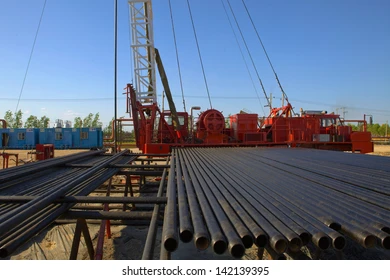
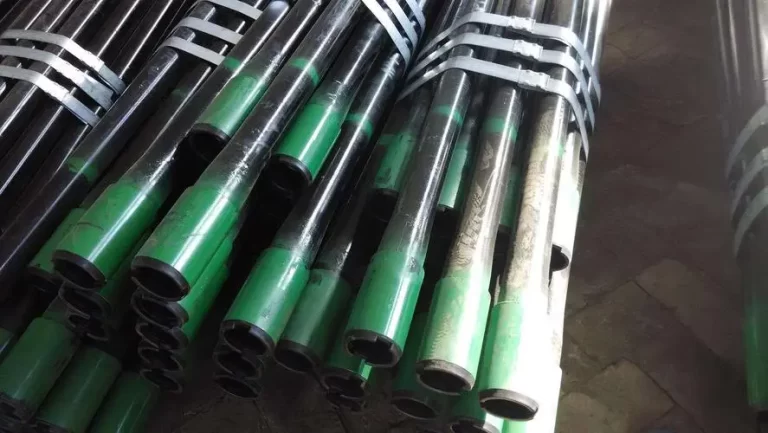
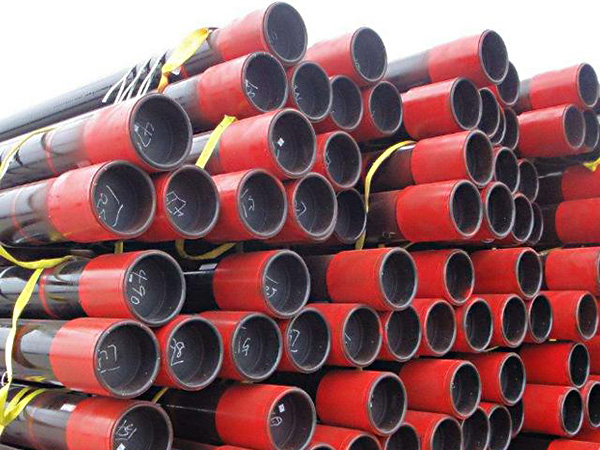
In its essence, Oil Casing acts as a conduit through which hydrocarbons flow from the reservoir to the surface, safeguarding the wellbore against external pressures and preventing environmental contamination. This primary function underscores its critical role in the Oil and Gas industry, where reliability and durability are paramount.
One of the key competitive advantages of oil casing lies in its ability to adapt to diverse geological conditions. In shale formations, for instance, where the rock is prone to fracturing and has complex structural characteristics, casing must withstand high pressures and temperatures while maintaining its integrity over extended periods. Advanced Materials and design configurations enable casing to perform optimally under such demanding conditions, thereby enhancing operational efficiency and reducing Maintenance costs.
Moreover, the heterogeneous uses of oil casing extend beyond mere structural support. In unconventional reservoirs like tight oil and gas formations, casing serves as a conduit for hydraulic fracturing fluids, facilitating the extraction of hydrocarbons from low-permeability rocks. This dual-purpose functionality not only streamlines operations but also contributes to the overall productivity and profitability of extraction projects.
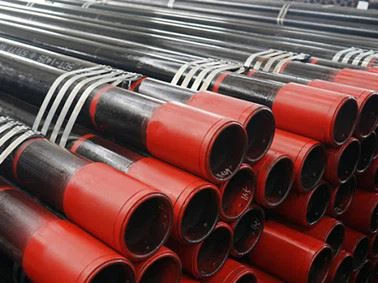
The competitive landscape in the oil casing industry is shaped by technological innovation and the quest for enhanced performance. Manufacturers continually strive to develop casing materials that offer superior Corrosion resistance, mechanical strength, and thermal stability. These advancements not only extend the operational lifespan of wells but also reduce downtime and enhance overall production efficiency.
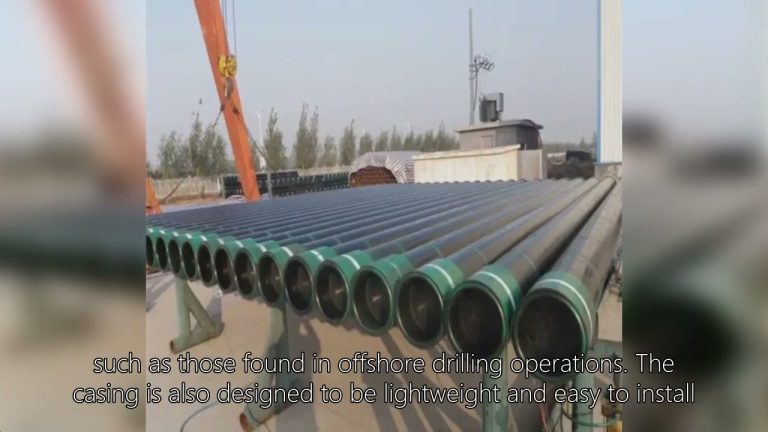
Furthermore, the strategic deployment of casing technologies can confer a competitive edge in challenging environments such as deepwater offshore drilling. Here, casing must withstand immense water pressures and corrosive marine conditions while ensuring the integrity of the wellbore. Innovations in metallurgy and manufacturing processes have led to the development of high-performance alloys and coatings that mitigate corrosion and enhance the structural robustness of casing systems in offshore applications.
The versatility of oil casing also extends to its role in environmental stewardship and regulatory compliance. Casing designs incorporate features that prevent leaks and minimize emissions during drilling and production operations, aligning with stringent environmental standards and industry best practices. By reducing environmental footprint and enhancing operational safety, modern casing technologies contribute to sustainable resource development and stakeholder confidence.
6 inch well Casing PipeIn conclusion, the heterogeneous uses of oil casing underscore its indispensable role in the global energy landscape. From conventional reservoirs to unconventional formations, from onshore fields to offshore platforms, casing technology contiNues to evolve, driven by innovation and the pursuit of competitive advantage. As the industry navigates evolving challenges and opportunities, the strategic application of advanced casing solutions remains pivotal in optimizing resource recovery, ensuring operational efficiency, and meeting environmental goals. By understanding and harnessing the diverse capabilities of oil casing, stakeholders can forge a path towards sustainable growth and resilience in the dynamic energy sector.