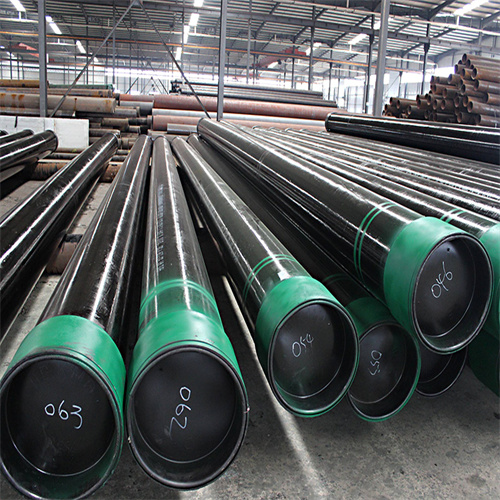
Tofauti katika Muundo wa Nyenzo Kati ya API na Mabomba ya ASTM
Upinzani wa kutu ni kipengele kingine muhimu ambapo mabomba ya API na ASTM yanaweza kutofautiana. Viwango vya API mara nyingi hutanguliza upinzani dhidi ya aina maalum za kutu zinazoenea katika mazingira ya mafuta na gesi, kama vile ngozi ya sulfidi (SSC) na ngozi ya hidrojeni (HIC). Kinyume chake, vipimo vya ASTM vinaweza kuzingatia upinzani wa jumla wa kutu katika sekta mbalimbali, kutoa chaguo kwa mipako au nyenzo ambazo huongeza maisha marefu katika hali tofauti za mazingira.
Mchakato wa utengenezaji pia huathiri uundaji wa nyenzo za API na mabomba ya ASTM. Mabomba ya API kwa kawaida huzalishwa chini ya miongozo madhubuti ya utengenezaji ili kuhakikisha uthabiti na kuegemea, kuzingatia matibabu maalum ya joto na taratibu za kupima. Mabomba ya ASTM, huku pia yakiwa chini ya viwango vikali vya utengenezaji, yanaweza kutoa utofauti zaidi katika mbinu za uzalishaji na nyenzo, kutegemea mahitaji yaliyobainishwa ya utumaji.
Kwa kumalizia, tofauti za muundo wa nyenzo kati ya API na mabomba ya ASTM zinatokana na uzingatiaji wa tasnia yao tofauti, mahitaji ya udhibiti, na mazingira ya maombi. Wahandisi na wataalamu wa ununuzi lazima wazingatie mambo haya kwa makini wakati wa kuchagua mabomba kwa ajili ya miradi mahususi ili kuhakikisha utendakazi bora, uimara na usalama. Kwa kuelewa tofauti hizi, washikadau wanaweza kufanya maamuzi sahihi ambayo yanalingana na mahitaji ya mradi na viwango vya tasnia, na hatimaye kuchangia katika uendeshaji bora na wa kutegemewa wa miundombinu ya viwanda duniani kote.

One of the key Differences between API and ASTM Pipes lies in their chemical composition requirements. API standards typically mandate specific levels of elements such as carbon, manganese, sulfur, phosphorus, and silicon, tailored to ensure the pipes’ integrity and performance in specific operational conditions. These requirements are meticulously defined to meet the demands of the Oil and Gas industry, where the reliability and durability of pipelines are paramount.
On the other hand, ASTM specifications provide a broader range of options for Material composition, allowing Manufacturers to tailor pipes for diverse applications beyond oil and gas. This flexibility means that ASTM pipes may include a wider variety of alloys and elements, depending on the desired mechanical properties and environmental factors.
Mechanical properties such as yield strength, tensile strength, and elongation are also critical considerations in both API and ASTM standards. API Pipes are rigorously tested to ensure they meet stringent mechanical performance requirements, reflecting the demanding nature of oil and gas operations. In contrast, ASTM specifications outline mechanical properties that cater to a broader spectrum of applications, ranging from structural integrity in buildings to fluid transport in industrial systems.
Corrosion resistance is another vital aspect where API and ASTM pipes may differ. API standards often prioritize resistance to specific types of corrosion prevalent in oil and gas environments, such as sulfide stress cracking (SSC) and hydrogen-induced cracking (HIC). In contrast, ASTM specifications may focus on general corrosion resistance across various industries, offering options for coatings or materials that enhance longevity in different environmental conditions.
The manufacturing process also influences the material makeup of API and ASTM pipes. API pipes are typically produced under strict manufacturing guidelines to ensure consistency and reliability, adhering to specific heat treatment and testing procedures. ASTM pipes, while also subject to rigorous manufacturing standards, may offer more variability in production methods and materials, depending on the specified application requirements.
In conclusion, the differences in material composition between API and ASTM pipes stem from their distinct industry focuses, regulatory requirements, and application environments. Engineers and procurement professionals must carefully consider these factors when selecting pipes for specific projects to ensure optimal performance, durability, and safety. By understanding these distinctions, stakeholders can make informed decisions that align with project requirements and industry standards, ultimately contributing to the efficient and reliable operation of industrial infrastructure worldwide.