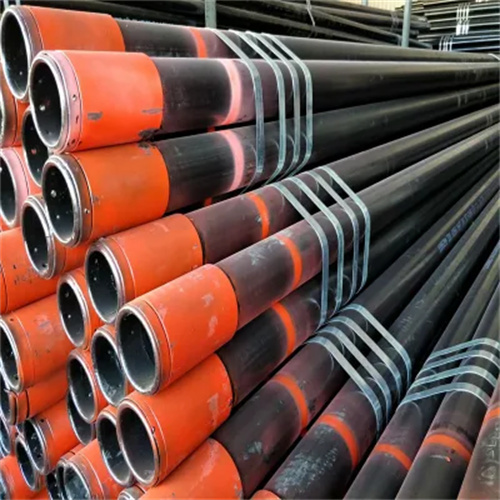
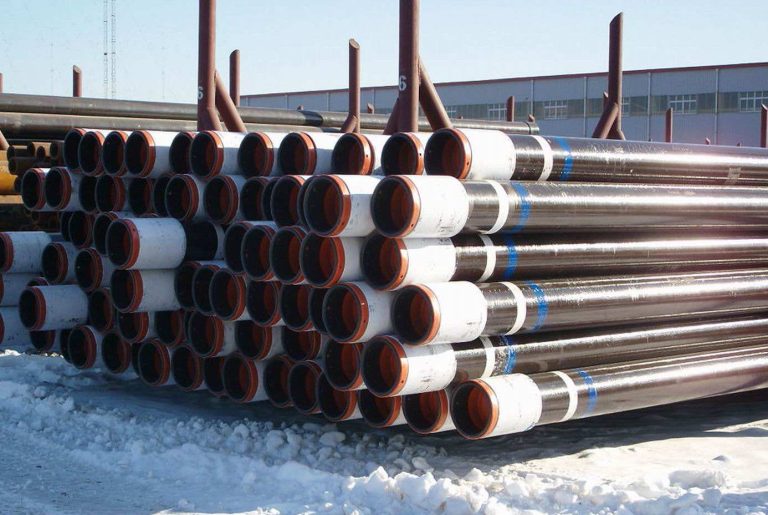
Mbinu za Ukaguzi za Uhakikisho wa Ubora wa Case ya Mafuta
Mara tu malighafi inapoidhinishwa, mchakato wa utengenezaji huhamia kuunda na kuunda mirija ya Casing. Usahihi katika hatua hii ni muhimu ili kuhakikisha usawa katika vipimo na uadilifu wa muundo. Mbinu za hali ya juu za utengenezaji kama vile utengenezaji wa mabomba bila imefumwa au kulehemu upinzani wa umeme (ERW) hutumika, kila moja ikihitaji ukaguzi mahususi wa ubora katika kila hatua. Ukaguzi huu mara nyingi hujumuisha ukaguzi wa vipimo, upimaji usioharibu (NDT) kwa uadilifu wa weld, na ukadiriaji wa umaliziaji wa uso.
Baada ya mirija ya casing kuundwa, hupitia ukaguzi zaidi ili kugundua kasoro au dosari zozote. Hapa ndipo mbinu za kina za majaribio zinapotumika. Mbinu zisizo za uharibifu kama vile upimaji wa angani (UT), upimaji wa chembe sumaku (MT), na upimaji wa radiografia (RT) hutumiwa kwa kawaida kugundua kasoro za ndani na uso bila kuathiri uadilifu wa kasha. Majaribio haya yanahakikisha kwamba hata dosari ndogo kabisa, kama vile nyufa au mjumuisho, zinatambuliwa na kushughulikiwa kabla ya kabati kuhamia hatua inayofuata ya uzalishaji.
Aidha, ukaguzi wa kipenyo kwa kutumia zana mahususi za kupimia huhakikisha kwamba mirija ya mirija inakidhi vipimo kamili kuhusu kipenyo. , unene wa ukuta, na urefu. Mkengeuko wowote kutoka kwa vipimo hivi unaweza kuathiri utendakazi wa kasha chini ya shinikizo na hali ya joto ya kawaida ya visima vya mafuta na gesi.
Mbali na ukaguzi wa kimwili, uhakikisho wa ubora pia unahusisha uhifadhi wa hati na ufuatiliaji. Kwa kawaida, kila mirija ya kibeberu hupewa nambari ya kipekee ya utambulisho ambayo inaruhusu ufuatiliaji wa historia yake ya utengenezaji, ikijumuisha vyeti vya malighafi, rekodi za mchakato wa uzalishaji na ripoti za ukaguzi. Ufuatiliaji huu ni muhimu kwa ukaguzi wa uwajibikaji na udhibiti wa ubora.
Aidha, uboreshaji unaoendelea ni msingi wa kurekebisha ubora wa utengenezaji. Maoni kutoka kwa ukaguzi na data ya utendaji kazini huchanganuliwa ili kutambua maeneo ya uboreshaji katika michakato ya utengenezaji au uteuzi wa nyenzo. Mbinu hii ya kurudia inahakikisha kwamba ubora wa utengenezaji wa kabati la mafuta unabadilika na maendeleo ya kiteknolojia na mazoea bora ya tasnia.
Utekelezaji wa Hatua za Udhibiti wa Ubora katika Utengenezaji wa Sanduku la Mafuta

Kuboresha Michakato ya Uzalishaji kwa Ubora wa Ufungaji wa Mafuta Ulioimarishwa
Katika nyanja ya uchimbaji wa mafuta, ubora wa kabati la mafuta una jukumu muhimu katika kuhakikisha ufanisi wa kazi, usalama na maisha marefu ya visima. Michakato ya kutengeneza urekebishaji mzuri ni muhimu ili kufikia kabati ya mafuta yenye ubora wa juu ambayo inakidhi viwango vikali vya tasnia. Makala haya yanachunguza mikakati na mambo muhimu ya kuboresha michakato ya uzalishaji ili kuimarisha ubora wa kabati la mafuta.
Kwa kuanzia, msingi wa kutengeneza kabati la mafuta la ubora wa juu unategemea uteuzi wa nyenzo kwa uangalifu. Uchaguzi wa daraja sahihi la chuma ni muhimu zaidi, kwani huathiri moja kwa moja sifa za mitambo ya casing, upinzani wa kutu na uimara wa jumla. Watengenezaji mara nyingi huchagua aloi zilizo na utunzi maalum ambao unakidhi mahitaji ya mazingira anuwai ya visima, kutoka kwa hali ya kawaida hadi hali ya kutu sana.
Pindi kiwango cha chuma kinachofaa kinapochaguliwa, umakini huhamishiwa kwenye mchakato wa utengenezaji wenyewe. Usahihi katika utengenezaji hauwezi kujadiliwa. Mbinu za kisasa kama vile utengenezaji wa bomba bila imefumwa na teknolojia za hali ya juu za kulehemu hutumika ili kupunguza kasoro na kuhakikisha usawa katika vipimo na muundo wa casing. Mabomba yasiyo na mshono, kwa mfano, hupunguza hatari ya maeneo dhaifu na kuboresha uwezo wa kabati kustahimili shinikizo la juu na mabadiliko ya halijoto kwenye shimo.
Hatua za kudhibiti ubora ni muhimu katika mchakato wa utengenezaji. Kuanzia ukaguzi wa malighafi hadi majaribio ya mwisho ya bidhaa, itifaki kali hutekelezwa ili kugundua dosari mapema na kuzuia kasoro zinazoweza kuathiri uadilifu wa casing. Mbinu zisizo za uharibifu kama vile upimaji wa ultrasonic na ukaguzi wa sumakuumeme hutumika kutambua kasoro za ndani na uso bila kuathiri uadilifu wa muundo wa casing.
Aidha, uboreshaji wa mchakato unaoendelea ni muhimu katika kuimarisha ubora wa utengenezaji. Kupitisha kanuni za utengenezaji duni na Six Sigma husaidia kurahisisha shughuli, kupunguza upotevu na kuongeza ufanisi. Kwa kuchanganua data na maoni kutoka kwa kila kundi la uzalishaji, watengenezaji wanaweza kutambua mienendo, sababu kuu za kasoro, na fursa za uboreshaji. Mtazamo huu makini sio tu kwamba unaboresha ubora lakini pia hupunguza gharama na kuongeza ushindani wa jumla.
Ushirikiano na washirika wa sekta hiyo na uboreshaji wa maendeleo ya kiteknolojia pia ni muhimu kwa kuboresha michakato ya utengenezaji. Kujihusisha na wauzaji chuma, watengenezaji vifaa, na taasisi za utafiti kunakuza uvumbuzi na kuhakikisha ufikiaji wa teknolojia ya kisasa. Roboti na otomatiki, kwa mfano, zinaweza kuboresha uthabiti na usahihi katika shughuli za utengenezaji, na kuinua zaidi ubora wa kabati la mafuta linalozalishwa.
Zaidi ya hayo, kuzingatia viwango na uidhinishaji wa kimataifa ni muhimu sana. Kuzingatia vipimo vilivyowekwa na mashirika kama vile Taasisi ya Petroli ya Marekani ( API) huhakikisha kwamba mfuko wa mafuta unakidhi vigezo vikali vya utendakazi, usalama na usimamizi wa mazingira. Kuzingatia viwango hivi kunaleta imani miongoni mwa washikadau na kuwezesha kukubalika kwa soko la bidhaa za kabati zinazotengenezwa.
Kwa kumalizia, uboreshaji wa michakato ya uzalishaji wa kabati ya mafuta inahusisha mbinu kamili ambayo inajumuisha uteuzi wa nyenzo, mbinu za utengenezaji, udhibiti wa ubora, uboreshaji wa mchakato, ujumuishaji wa teknolojia, na kufuata kanuni. Kila hatua katika safari ya utengenezaji—kutoka kutafuta malighafi hadi kuwasilisha bidhaa zilizomalizika—lazima itekelezwe kwa uangalifu ili kufikia kabati ya ubora wa juu ambayo inakidhi mahitaji yanayohitajika ya tasnia ya mafuta na gesi. Kwa kutanguliza usahihi, uvumbuzi, na uboreshaji unaoendelea, watengenezaji wanaweza kuimarisha uthabiti, uimara, na utendakazi wa kasha la mafuta, na hivyo kuchangia ufanisi na uendelevu wa shughuli za uchimbaji mafuta duniani kote.
In the realm of Oil Casing manufacturing, achieving optimal quality is not just a goal but a critical necessity. Oil casings play a pivotal role in the extraction and transportation of petroleum, requiring robust quality control measures throughout the manufacturing process. Fine-tuning the manufacturing quality of oil casing involves a systematic approach that integrates precision, adherence to standards, and continuous improvement practices.
At the heart of quality control in oil casing manufacturing lies meticulous attention to Material selection. high–grade Steel, typically API grades such as K55, N80, or P110, is commonly used due to its strength, durability, and Corrosion resistance properties essential for withstanding harsh oilfield environments. Suppliers must adhere strictly to material specifications and certifications to ensure consistency and reliability in the finished products.
Once the raw materials are sourced, the manufacturing process begins with careful planning and design. Advanced computer-aided design (CAD) software is employed to create precise blueprints that define the dimensions, Threading details, and other specifications of the oil casing. These designs serve as the foundation upon which each casing is manufactured, ensuring uniformity and compliance with industry standards.
Precision machining is a cornerstone of quality in oil casing production. State-of-the-art CNC (Computer Numerical Control) machines are utilized to cut, shape, and thread the Steel Tubes with unparalleled accuracy. This machining process demands not only cutting-edge technology but also skilled operators who oversee every step to mitigate errors and deviations from design tolerances.
Quality assurance begins at the initial stages of manufacturing and contiNues throughout the production cycle. Regular inspections and tests are conducted to verify dimensional accuracy, surface finish, and mechanical properties of the casings. Non-destructive testing techniques such as ultrasonic testing (UT) and electromagnetic inspection (EMI) are employed to detect internal and surface defects that could compromise the integrity of the casing.
Incorporating robust quality control measures also entails implementing stringent process controls. Each manufacturing step is meticulously monitored and documented to identify potential areas of improvement. Statistical process control (SPC) techniques are often employed to analyze production data in real-time, enabling timely adjustments to maintain consistency and minimize variations in product quality.
Furthermore, adherence to international standards and regulations is non-negotiable in the oil casing manufacturing industry. Casings must comply with specifications set forth by organizations such as the American Petroleum Institute (API) to ensure compatibility, reliability, and safety in oilfield operations worldwide. Rigorous testing and certification processes validate that the casings meet or exceed these stringent requirements.
Continuous improvement is integral to fine-tuning manufacturing quality. Feedback from field performance, customer input, and internal audits are invaluable sources of information for refining manufacturing processes and enhancing product quality. Collaborative efforts with suppliers and stakeholders foster innovation and drive advancements in technology and methodologies.
Effective communication and collaboration across all stages of production—from procurement of raw materials to distribution of finished products—are essential for achieving and sustaining high manufacturing quality standards. By fostering a culture of quality consciousness and operational excellence, oil casing Manufacturers can fortify their reputation for delivering superior products that meet the demanding requirements of the global Oil and Gas industry.
api 5ct Q125 casing china Best SuppliersIn conclusion, fine-tuning the manufacturing quality of oil casing demands a comprehensive approach that integrates precision engineering, rigorous quality control measures, adherence to standards, and a commitment to continuous improvement. By upholding these principles, Manufacturers not only ensure the reliability and durability of their products but also contribute to the efficiency and safety of oilfield operations worldwide.
Optimizing Production Processes for Enhanced Oil Casing Quality
In the realm of oil extraction, the quality of oil casing plays a pivotal role in ensuring operational efficiency, safety, and longevity of wells. Fine-tuning manufacturing processes is crucial to achieving consistently high-quality oil casing that meets rigorous industry standards. This article explores key strategies and considerations for optimizing production processes to enhance the quality of oil casing.
To begin with, the foundation of manufacturing high-quality oil casing lies in meticulous material selection. Choosing the right grade of steel is paramount, as it directly impacts the casing’s mechanical properties, corrosion resistance, and overall durability. Manufacturers often opt for alloys with specific compositions that meet the requirements of various well environments, from standard to highly corrosive conditions.
Once the appropriate steel grade is selected, attention shifts to the manufacturing process itself. Precision in manufacturing is non-negotiable. Modern techniques such as seamless Pipe manufacturing and advanced welding technologies are employed to minimize defects and ensure uniformity in casing dimensions and structure. Seamless Pipes, for instance, reduce the risk of weak spots and improve the casing’s ability to withstand high pressure and temperature variations downhole.
Quality control measures are integral throughout the manufacturing process. From raw material inspection to final product testing, rigorous protocols are implemented to detect flaws early and prevent defects that could compromise casing integrity. Non-destructive testing methods like ultrasonic testing and electromagnetic inspection are utilized to identify internal and surface imperfections without compromising the casing’s structural integrity.
Moreover, continuous process improvement is central to enhancing manufacturing quality. Adopting principles of lean manufacturing and Six Sigma helps streamline operations, minimize waste, and optimize efficiency. By analyzing data and feedback from each production batch, manufacturers can identify trends, root causes of defects, and opportunities for enhancement. This proactive approach not only improves quality but also reduces costs and enhances overall competitiveness.
Collaboration with industry partners and leveraging technological advancements are also crucial for refining manufacturing processes. Engaging with steel suppliers, equipment manufacturers, and research institutions fosters innovation and ensures access to cutting-edge technologies. Robotics and automation, for example, can improve consistency and precision in manufacturing operations, further elevating the quality of oil casing produced.
Furthermore, adherence to international standards and certifications is indispensable. Conforming to specifications set by organizations such as the American Petroleum Institute (API) ensures that oil casing meets stringent criteria for performance, safety, and environmental stewardship. Compliance with these standards instills confidence among stakeholders and facilitates market acceptance of manufactured casing products.
In conclusion, optimizing the production processes for oil casing involves a holistic approach that encompasses material selection, manufacturing techniques, quality control, process improvement, technological integration, and regulatory compliance. Each step in the manufacturing journey—from sourcing raw materials to delivering finished products—must be meticulously executed to achieve superior quality casing that meets the demanding requirements of the oil and gas industry. By prioritizing precision, innovation, and continuous improvement, manufacturers can effectively enhance the reliability, durability, and performance of oil casing, contributing to the efficiency and sustainability of oil extraction operations worldwide.