Kuelewa Mambo: Kufanya Chaguo Mahiri la Nyenzo ya Kuzuia Kutu ya Kifunga cha Mafuta kwa Maonyesho Mahususi ya Utumaji
Urefu wa maisha ni kipengele kingine cha kuzingatia kwa dhati. Ingawa gharama za awali za nyenzo za kudumu zaidi za kuzuia kutu zinaweza kuwa za juu zaidi, kwa muda mrefu, gharama za chini za matengenezo na kupungua kwa muda wa chini zinaweza kuwa na gharama nafuu zaidi. Kwa hivyo, kuangazia maisha ya utendaji ya makadirio ya Casing kunaweza kuongoza katika kufanya chaguo sahihi zaidi na bora zaidi.
Zaidi ya hayo, mazingira ya udhibiti hayawezi kupuuzwa. Sheria katika maeneo mbalimbali duniani kote inaweza kupunguza uchaguzi wa nyenzo kwa ajili ya ulinzi wa mazingira. Kumekuwa na msukumo thabiti wa kupunguza athari za kimazingira, na kusababisha udhibiti mkali zaidi wa nyenzo zinazoruhusiwa kutumika katika mifuko ya mafuta.
Mwisho, unapaswa kuzingatia gharama na upatikanaji wa nyenzo za kuzuia kutu. Nyenzo za ubora wa juu kawaida hulipwa, na upatikanaji wao unaweza kuwa mdogo. Lakini kwa kuzingatia vigingi vilivyopo, mara nyingi inashauriwa kutoathiri ubora wa nyenzo katika harakati za kupunguza gharama. Kupima mambo haya kunaweza kusaidia katika kufanya uamuzi unaofaa unaotoa mbinu iliyosawazishwa, kuhakikisha maisha marefu ya utendaji kazi huku ikitimiza wajibu wote wa udhibiti na mazingira.
Kwa muhtasari, kufanya uchaguzi mzuri wa nyenzo za kuzuia kutu za kasha la mafuta kunahitaji kuzingatia kwa makini mambo kadhaa. Kuelewa aina ya ulikaji unaoweza kukumba, ukali wa mazingira ambamo kabati itafanya kazi, makadirio ya maisha marefu ya utendaji, kanuni zinazosimamia matumizi ya nyenzo, na uchanganuzi wa gharama/manufaa ya nyenzo tofauti zote ni muhimu katika mchakato huu wa kufanya maamuzi. Uelewa kamili wa mambo haya unaweza kukuwezesha kufanya chaguo la busara, la ufahamu ambalo linastahimili mtihani wa wakati na kuhakikisha utendakazi mzuri wa shughuli zako za kabati la mafuta.
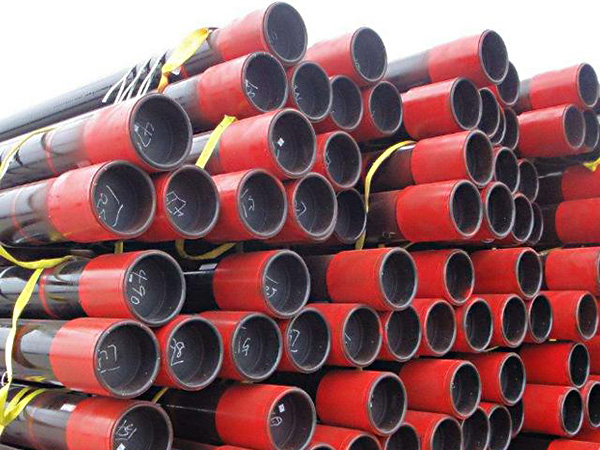
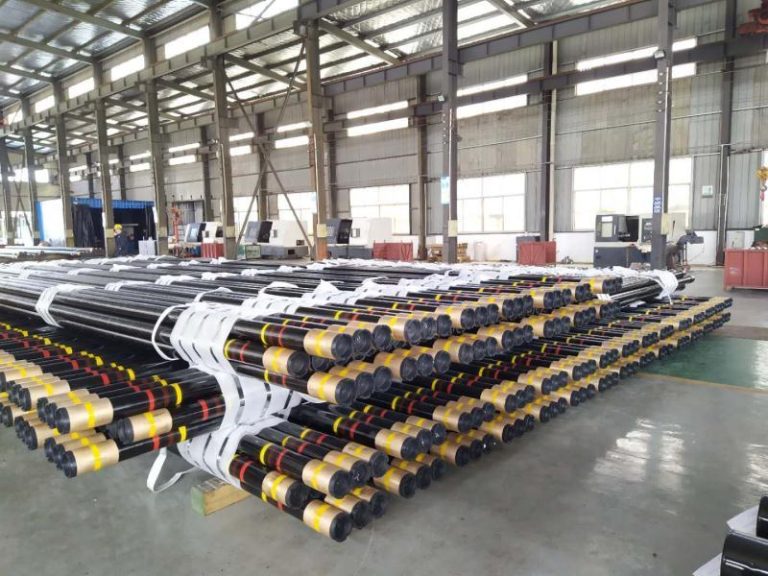
Corrosion inside Oil Casing is a dreaded prospect, precipitating massive Repair and replacement costs apart from the potential environmental hazards. Protection from this damaging process is dependent on the suitable choice of anticorrosion Material tailored to the requirements of a particular application scene.
One of the principal elements to consider when selecting anticorrosion material is the type of corrosion likely to be encountered. This can typically be chemical or electrochemical, with the latter being much more common in oil fields. Knowing how corrosion occurs and the types of elements it interacts with is critical in choosing a material that can best stand up to it.

The severity of the application environment also plays a huge role in this decision. Factors to mull over include temperature, pressure and the concentration of corrosive materials. Oil casing functioning under high pressure and temperature may require more robust and resistant materials. On the other hand, casings working in high corrosion environments like sour Gas fields, where hydrogen sulphide is prevalent, demand materials that can continuously resist these adverse conditions.
Operational longevity is another aspect to sincerely consider. While initial costs of a more durable anticorrosion material may be higher, in the long-term, low Maintenance costs and reduced downtimes can prove them more cost-effective. Hence, factoring in the projected operational life of the casing can guide in making a more informed and thus smarter choice.
Furthermore, the regulatory environment cannot be overlooked. Legislation in different regions worldwide may limit the choice of materials for environmental protection. There has been a consistent push towards minimising the environmental impact, leading to tighter controls on the materials permissible for use in oil casings.
Lastly, you also have to take into account the cost and availability of the anticorrosion material. high-quality materials usually come at a premium, and their availability may be limited. But considering the stakes at hand, it is often advisable to not compromise on the quality of the material in the quest to cut costs. Weighing these factors can assist in making an informed decision providing a balanced approach, ensuring longevity of operation while fulfilling all regulatory and environmental obligations.
In summary, making a smart choice of oil casing anticorrosion material requires careful consideration of several factors. Understanding the kind of corrosion likely to be encountered, the severity of the environment in which the casing will function, the projected operational longevity, regulations governing material use, and cost/benefit analysis of different materials are all crucial in this decision-making process. A thorough understanding of these factors can enable you to make a wise, informed choice that stands the test of time and ensures the Smooth functioning of your oil casing operations.