Kutekeleza Ukaguzi wa Ubora wa Kawaida
Kuimarisha Mipango ya Mafunzo ya Wafanyakazi
Kutumia Teknolojia za Kina za Ukaguzi
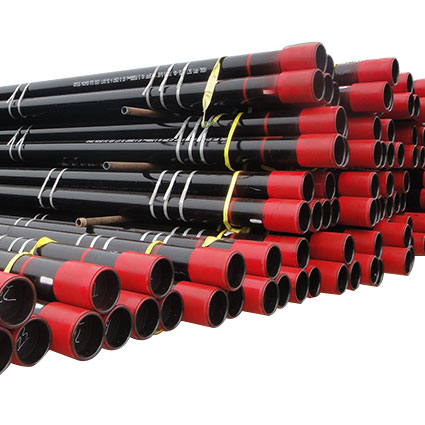
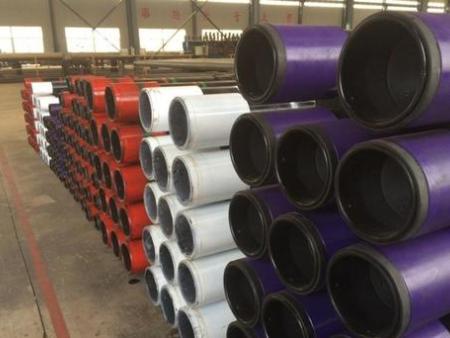
Katika azma ya kuimarisha ubora wa utengenezaji wa kabati la mafuta, ujumuishaji wa teknolojia za hali ya juu za ukaguzi umeibuka kama mkakati muhimu. Teknolojia hizi sio tu kuwezesha utambuzi wa kasoro lakini pia huchangia katika uboreshaji wa jumla wa michakato ya uzalishaji. Kwa kutumia mbinu za kisasa za ukaguzi, watengenezaji wanaweza kuhakikisha kuwa makasha ya mafuta yanakidhi viwango vikali vya ubora, na hivyo kupunguza hatari ya kushindwa katika nyanja hiyo.
Mojawapo ya maendeleo muhimu zaidi katika teknolojia ya ukaguzi ni matumizi ya mbinu zisizo za uharibifu (NDT) . Mbinu kama vile upimaji wa angani, upimaji wa radiografia, na upimaji wa chembe sumaku huruhusu uchunguzi wa kina wa nyenzo bila kusababisha uharibifu wowote. Upimaji wa kielektroniki, kwa mfano, hutumia mawimbi ya sauti ya masafa ya juu ili kugundua kasoro za ndani ndani ya nyenzo za kabati. Mbinu hii ni nzuri sana katika kutambua masuala kama vile nyufa au utupu ambayo inaweza kuhatarisha uadilifu wa Casing. Kwa kutekeleza upimaji wa ultrasonic mapema katika mchakato wa utengenezaji, watengenezaji wanaweza kushughulikia matatizo yanayoweza kutokea kabla hayajaongezeka, na hatimaye kusababisha bidhaa inayotegemewa zaidi.
Mtazamo mwingine wa kiubunifu wa kuimarisha ubora wa utengenezaji ni utumiaji wa mifumo ya ukaguzi wa kiotomatiki. Mifumo hii hutumia algoriti za hali ya juu na akili bandia kuchanganua data ya ukaguzi katika muda halisi. Kwa automatiska mchakato wa ukaguzi, wazalishaji wanaweza kufikia kiwango cha juu cha uthabiti na usahihi katika tathmini zao. Mifumo otomatiki inaweza kutambua kwa haraka mikengeuko kutoka kwa viwango vya ubora, kuruhusu hatua za haraka za kurekebisha. Hili sio tu hurahisisha mchakato wa ukaguzi lakini pia hupunguza uwezekano wa makosa ya kibinadamu, ambayo mara nyingi yanaweza kusababisha kasoro zinazopuuzwa.
Aidha, ujumuishaji wa teknolojia za kidijitali, kama vile Mtandao wa Mambo (IoT), umeleta mageuzi jinsi watengenezaji wanavyofuatilia. na kusimamia ubora wa kabati za mafuta. Kwa kuandaa vifaa vya uzalishaji na vitambuzi, watengenezaji wanaweza kukusanya data kuhusu vigezo mbalimbali, kama vile halijoto, shinikizo na sifa za nyenzo. Kisha data hii inaweza kuchanganuliwa ili kutambua mitindo na hitilafu ambazo zinaweza kuonyesha masuala ya ubora. Kwa kutumia teknolojia ya IoT, watengenezaji wanaweza kutekeleza mikakati ya kutabiri ya matengenezo, kuhakikisha kwamba vifaa vinafanya kazi ipasavyo na kupunguza uwezekano wa kasoro katika bidhaa ya mwisho. teknolojia za ukaguzi. Kwa kujumuisha mbinu za majaribio zisizoharibu, mifumo ya ukaguzi wa kiotomatiki, na suluhu za ufuatiliaji wa kidijitali, watengenezaji wanaweza kufikia kiwango cha juu cha uhakikisho wa ubora. Teknolojia hizi sio tu kuwezesha ugunduzi wa mapema wa kasoro lakini pia kukuza utamaduni wa uboreshaji unaoendelea ndani ya mchakato wa utengenezaji. Wakati tasnia inaendelea kubadilika, kujitolea kwa kutumia teknolojia ya hali ya juu ya ukaguzi itakuwa muhimu katika kuhakikisha kuegemea na usalama wa kabati za mafuta kwenye uwanja. Hatimaye, mbinu hii makini itachangia mafanikio ya muda mrefu na uendelevu wa shughuli za uzalishaji wa mafuta.
In the quest to enhance the manufacturing quality of Oil Casing, the integration of advanced inspection technologies has emerged as a pivotal strategy. These technologies not only facilitate the identification of defects but also contribute to the overall improvement of production processes. By employing sophisticated inspection methods, Manufacturers can ensure that oil casings meet stringent quality standards, thereby reducing the risk of failures in the field.
One of the most significant advancements in inspection technology is the use of Non-destructive testing (NDT) methods. Techniques such as ultrasonic testing, radiographic testing, and magnetic particle testing allow for the thorough examination of Materials without causing any damage. Ultrasonic testing, for instance, utilizes high-frequency sound waves to detect internal flaws within the casing material. This method is particularly effective in identifying issues such as cracks or voids that may compromise the integrity of the casing. By implementing ultrasonic testing early in the manufacturing process, manufacturers can address potential problems before they escalate, ultimately leading to a more reliable product.
In addition to ultrasonic testing, radiographic testing plays a crucial role in the inspection of oil casings. This technique involves the use of X-rays or gamma rays to create images of the internal structure of the casing. By analyzing these images, inspectors can identify defects that may not be visible to the naked eye. The ability to visualize the internal condition of the casing allows for a more comprehensive assessment of its quality. Furthermore, the implementation of radiographic testing can lead to a reduction in the amount of scrap material generated during production, as manufacturers can make informed decisions about which casings are suitable for use.
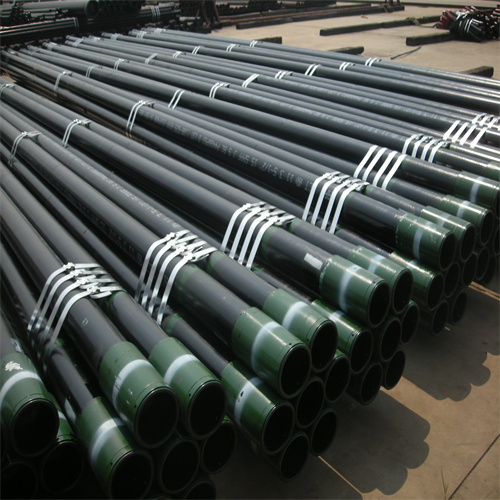 Another innovative approach to enhancing manufacturing quality is the adoption of automated inspection systems. These systems utilize advanced algorithms and artificial intelligence to analyze inspection data in real-time. By automating the inspection process, manufacturers can achieve a higher level of consistency and accuracy in their assessments. Automated systems can quickly identify deviations from quality standards, allowing for immediate corrective actions. This not only streamlines the inspection process but also minimizes the potential for human error, which can often lead to overlooked defects.
Moreover, the integration of digital technologies, such as the Internet of Things (IoT), has revolutionized the way manufacturers monitor and manage the quality of oil casings. By equipping production equipment with sensors, manufacturers can collect data on various parameters, such as temperature, pressure, and material properties. This data can then be analyzed to identify trends and anomalies that may indicate quality issues. By leveraging IoT technology, manufacturers can implement predictive Maintenance strategies, ensuring that equipment operates optimally and reducing the likelihood of defects in the final product.
In conclusion, the gradual remediation of manufacturing quality in oil casing is significantly enhanced through the utilization of advanced inspection technologies. By incorporating non-destructive testing methods, automated inspection systems, and digital monitoring solutions, manufacturers can achieve a higher level of quality assurance. These technologies not only facilitate the early detection of defects but also promote a culture of continuous improvement within the manufacturing process. As the industry contiNues to evolve, the commitment to leveraging advanced inspection technologies will be essential in ensuring the reliability and safety of oil casings in the field. Ultimately, this proactive approach will contribute to the long-term success and sustainability of oil production operations.