Kuelewa Athari za Mabadiliko kwenye Uadilifu wa Case ya Mafuta
bei ya bei nafuu ya mfuko wa mafuta
Kutumia Ubia wa Kiufundi kwa Mageuzi katika Teknolojia ya Uwekaji Mafuta
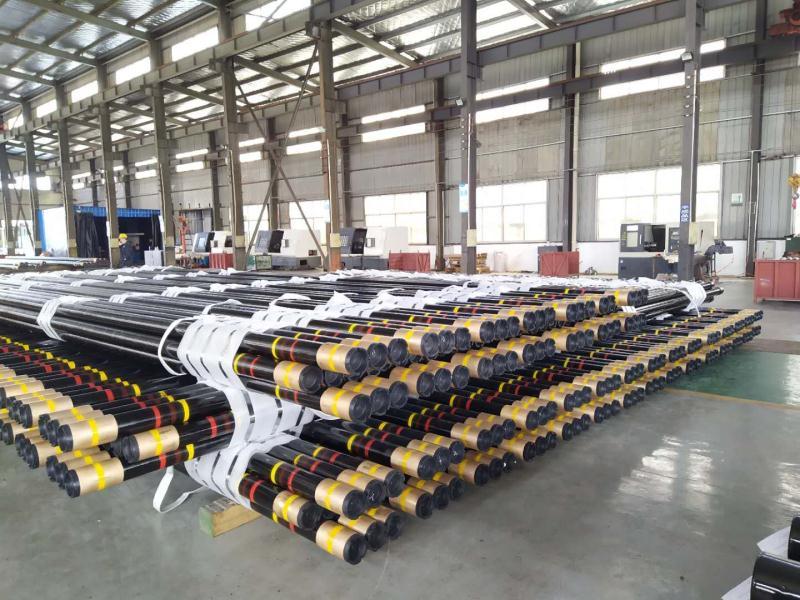
Mkakati wa Kupunguza Athari za Mabadiliko katika Uwekaji wa Mafuta Kupitia Mashindano ya Kibunifu
Mabadiliko katika ubia wa kiufundi wa kabati ya mafuta yanaweza kuwa na athari kubwa kwa ufanisi na usalama wa shughuli za uchimbaji mafuta. Mabadiliko haya, ambayo yanarejelea mabadiliko yasiyotarajiwa au mikengeuko kutoka kwa muundo au vipimo asili, inaweza kutokea kutokana na sababu mbalimbali kama vile hali ya mazingira, mikazo ya uendeshaji au uharibifu wa nyenzo kwa muda. Ukiachwa bila kushughulikiwa, mabadiliko katika kifuko cha mafuta yanaweza kusababisha udhaifu wa kimuundo, masuala ya uadilifu, na hatari zinazoweza kutokea wakati wa shughuli za uchimbaji na uzalishaji.
Ili kupunguza athari za mabadiliko katika kifuko cha mafuta, utendakazi wa kibunifu ni muhimu. Mkakati mmoja madhubuti ni utekelezaji wa teknolojia ya hali ya juu ya ufuatiliaji na ukaguzi. Teknolojia hizi huwezesha ugunduzi wa wakati halisi wa hitilafu au upungufu wowote katika muundo wa Casing, kuruhusu waendeshaji kuchukua hatua za haraka kabla mabadiliko hayajawa na matatizo makubwa zaidi. Kwa kutumia uchanganuzi wa data na algoriti za matengenezo ya ubashiri, waendeshaji wanaweza kutarajia mabadiliko yanayoweza kutokea na kupanga hatua zinazolengwa ili kuzuia athari zao mbaya.
Nyingine muhimu ya kukabiliana nayo ni uundaji wa nyenzo za utendakazi wa hali ya juu ambazo zimeundwa mahususi kuhimili hali mbaya inayopatikana katika shughuli za uchimbaji mafuta. Kwa kutumia aloi za hali ya juu, mipako, au vifaa vya mchanganyiko, waendeshaji wanaweza kuongeza uimara na upinzani wa kabati ya mafuta dhidi ya mabadiliko na kutu. Nyenzo hizi za kibunifu sio tu zinaboresha maisha marefu ya kabati bali pia hupunguza marudio ya matengenezo na uingizwaji, hivyo basi kusababisha uokoaji wa gharama na ufanisi wa uendeshaji.
Ushirikiano wa ushirikiano kati ya makampuni ya mafuta, watoa huduma za teknolojia na taasisi za utafiti una jukumu muhimu katika kuendeleza uvumbuzi. na kuendeleza mijadala madhubuti dhidi ya mabadiliko katika kasha la mafuta. Kwa kubadilishana maarifa, rasilimali na utaalam, washikadau wanaweza kushughulikia kwa pamoja changamoto zinazoletwa na mabadiliko na kufanyia kazi suluhu endelevu. Kupitia miradi ya pamoja ya utafiti, tafiti za majaribio, na majaribio ya teknolojia, washirika wanaweza kujaribu na kuthibitisha mbinu mpya za kupunguza athari za mabadiliko na kuimarisha utendakazi wa mifumo ya chembe za mafuta.
Zaidi ya hayo, mikakati ya kudhibiti hatari ni muhimu ili kupunguza athari za mabadiliko. kwenye bakuli la mafuta. Kwa kufanya tathmini kamili za hatari, waendeshaji wanaweza kutambua udhaifu unaowezekana katika mfumo wa casing na kutekeleza hatua za kuzuia ili kupunguza uwezekano wa mabadiliko kutokea. Matengenezo ya mara kwa mara, ukaguzi, na upimaji wa uadilifu ni vipengele muhimu vya mpango wa kina wa usimamizi wa hatari, unaohakikisha utegemezi unaoendelea na usalama wa shughuli za uchimbaji mafuta.
Kwa kumalizia, mabadiliko katika ubia wa kiufundi wa casing ya mafuta yanaweza kuwa na athari kubwa kwenye ufanisi. na usalama wa shughuli za uchimbaji mafuta. Kwa kutekeleza mbinu pinzani za kibunifu kama vile teknolojia za ufuatiliaji wa hali ya juu, nyenzo za utendakazi wa hali ya juu, ubia shirikishi, na mikakati thabiti ya kudhibiti hatari, waendeshaji wanaweza kupunguza kwa ufanisi athari za mabadiliko na kuhakikisha uadilifu na kutegemewa kwa mifumo ya makasha ya mafuta. Kupitia uvumbuzi na ushirikiano unaoendelea, tasnia inaweza kushinda changamoto zinazoletwa na mabadiliko na kukuza ukuaji endelevu na maendeleo katika sekta ya mafuta na gesi.
Leveraging technical Partnerships for Evolution in Oil Casing Technology
Mutations in oil casing technical partnerships play a crucial role in the evolution of oil casing technology. These partnerships are essential for driving innovation and progress in the Oil and Gas industry. By collaborating with other technical experts and Companies, oil casing Manufacturers can leverage a diverse range of skills and knowledge to enhance their products and processes.
One of the key effects of mutations in oil casing technical partnerships is the acceleration of technological advancements. When different entities come together to share their expertise, research, and resources, they can collectively push the boundaries of what is possible in oil casing technology. This collaborative effort often leads to the development of new Materials, manufacturing techniques, and design concepts that can revolutionize the industry.
Furthermore, mutations in technical partnerships can also lead to increased efficiency and cost-effectiveness in oil casing production. By pooling resources and sharing best practices, companies can streamline their operations and reduce waste. This not only benefits the companies involved but also has a positive impact on the environment by minimizing the overall footprint of oil casing manufacturing processes.
In addition to driving innovation and efficiency, mutations in oil casing technical partnerships can also help companies stay competitive in a r APIdly evolving market. By staying connected with other industry leaders and experts, companies can stay informed about the latest trends and developments in oil casing technology. This knowledge allows them to adapt quickly to changing market conditions and customer demands, ensuring that they remain at the forefront of the industry.
Despite the many benefits of mutations in technical partnerships, there are also challenges that companies must navigate. One common issue is the need to balance collaboration with competition. While working together with other companies can lead to mutual benefits, companies must also protect their intellectual property and proprietary technologies to maintain a competitive edge.
Another challenge is ensuring effective communication and coordination among partners. Different companies may have varying priorities, timelines, and communication styles, which can sometimes lead to misunderstandings or delays in project execution. Overcoming these communication barriers is essential for ensuring the success of collaborative efforts in oil casing technology.
To counter these challenges, companies can establish clear agreements and protocols for collaboration, including outlining each party’s roles, responsibilities, and expectations. Regular communication and progress updates can help ensure that all partners are aligned and working towards a common goal. Additionally, companies can invest in training and development programs to enhance the skills and capabilities of their employees, further strengthening their technical partnerships.
In conclusion, mutations in oil casing technical partnerships have a profound impact on the evolution of oil casing technology. By fostering collaboration, driving innovation, and enhancing efficiency, companies can unlock new possibilities and stay competitive in a dynamic industry landscape. While challenges exist, proactive measures and effective communication can help companies overcome these obstacles and reap the benefits of collaborative partnerships in oil casing technology evolution.
Strategies to Mitigate the Effects of Mutations in Oil Casing through Innovative Counterplays
Mutations in oil casing technical partnerships can have significant effects on the efficiency and safety of oil drilling operations. These mutations, which refer to unexpected changes or deviations from the original design or specifications, can arise due to various factors such as environmental conditions, operational stresses, or material degradation over time. When left unaddressed, mutations in oil casing can lead to structural weaknesses, integrity issues, and potential hazards during drilling and production activities.
To mitigate the effects of mutations in oil casing, innovative counterplays are essential. One effective strategy is the implementation of advanced monitoring and inspection technologies. These technologies enable real-time detection of any deviations or abnormalities in the casing structure, allowing operators to take proactive measures before the mutations escalate into more serious problems. By leveraging data analytics and predictive Maintenance algorithms, operators can anticipate potential mutations and plan targeted interventions to prevent their adverse effects.
Another key counterplay is the development of high-performance materials specifically designed to withstand the harsh conditions encountered in oil drilling operations. By using advanced alloys, coatings, or composite materials, operators can enhance the durability and resistance of oil casing against mutations and corrosion. These innovative materials not only improve the longevity of the casing but also reduce the frequency of maintenance and replacement, leading to cost savings and operational efficiency.
Collaborative partnerships between oil companies, technology providers, and research institutions play a crucial role in driving innovation and developing effective counterplays against mutations in oil casing. By sharing knowledge, resources, and expertise, stakeholders can collectively address the challenges posed by mutations and work towards sustainable solutions. Through joint research projects, pilot studies, and technology trials, partners can test and validate new approaches to mitigating the effects of mutations and enhancing the performance of oil casing systems.
Furthermore, proactive risk management strategies are essential to minimize the impact of mutations in oil casing. By conducting thorough risk assessments, operators can identify potential vulnerabilities in the casing system and implement preventive measures to reduce the likelihood of mutations occurring. Regular maintenance, inspection, and integrity testing are integral components of a comprehensive risk management plan, ensuring the ongoing reliability and safety of oil drilling operations.
In conclusion, mutations in oil casing technical partnerships evolution can have far-reaching effects on the efficiency and safety of oil drilling activities. By implementing innovative counterplays such as advanced monitoring technologies, high-performance materials, collaborative partnerships, and proactive risk management strategies, operators can effectively mitigate the effects of mutations and ensure the integrity and reliability of oil casing systems. Through continuous innovation and collaboration, the industry can overcome the challenges posed by mutations and drive sustainable growth and development in the oil and gas sector.