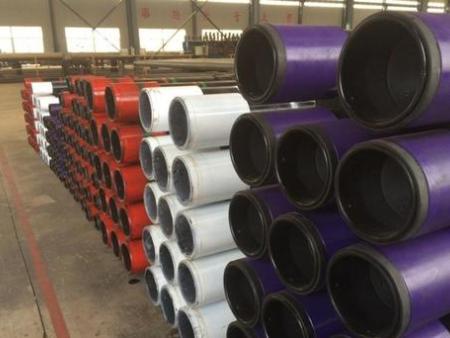
Mikakati ya Hataza ya Ubunifu wa Utengenezaji wa Casing ya Mafuta
Katika tasnia ya mafuta na gesi, utengenezaji wa kabati la mafuta ni mchakato muhimu unaohakikisha uadilifu na usalama wa shughuli za uchimbaji. Kadiri ubunifu katika nyanja hii unavyoendelea kujitokeza, umuhimu wa kulinda maendeleo haya kupitia haki miliki unazidi kuwa muhimu. Mikakati ya hataza ina jukumu muhimu katika kulinda vipengele vya kipekee vya ubunifu wa utengenezaji wa chembe za mafuta, kuruhusu makampuni kudumisha makali ya ushindani huku ikikuza mazingira yanayofaa kwa maendeleo zaidi ya kiteknolojia.
Kwa kuanzia, ni muhimu kuelewa aina za ubunifu ambazo inaweza kuwa na hati miliki ndani ya mchakato wa utengenezaji wa casing ya mafuta. Ubunifu huu unaweza kujumuisha nyenzo mpya, mbinu bora za utengenezaji, au miundo iliyoimarishwa ambayo inachangia utendakazi wa jumla na uimara wa bidhaa za kabati za mafuta. Kwa kutambua na kuainisha ubunifu huu, makampuni yanaweza kuunda mkakati wa kina wa hataza ambao unalingana na malengo yao ya biashara. Mkakati huu unapaswa kuhusisha sio tu uwasilishaji wa hati miliki lakini pia ufuatiliaji unaoendelea wa mwelekeo wa sekta na shughuli za washindani ili kuhakikisha kwamba haki miliki yao inasalia kulindwa.
Njia moja madhubuti ya mkakati wa hataza inahusisha kufanya utafutaji wa kina wa awali wa sanaa kabla ya kuwasilisha ombi la hataza. Utaratibu huu husaidia kutambua hataza zilizopo na mach APIsho ambayo yanaweza kuathiri uvumbuzi wa uvumbuzi husika. Kwa kuelewa mazingira ya haki miliki iliyopo, makampuni yanaweza kuboresha ubunifu wao ili kuhakikisha kuwa yanakidhi vigezo vya hataza. Zaidi ya hayo, ujuzi huu unaweza kufahamisha utayarishaji wa madai ya hataza, kuruhusu ulinzi mpana zaidi unaojumuisha tofauti zinazowezekana za uvumbuzi.
Siri za Biashara katika Uzalishaji wa Kabati la Mafuta: Kulinda Faida za Ushindani
Makubaliano ya Utoaji Leseni: Kulinda Haki Miliki katika Technologies za Kuweka Mafuta
Katika eneo la utengenezaji wa vifuko vya mafuta, ulinzi wa haki miliki (IP) ni muhimu, hasa kwa vile ubunifu katika teknolojia ya uzalishaji unaendelea kubadilika. Mikataba ya utoaji leseni hutumika kama njia muhimu ya kulinda maendeleo haya, kuruhusu makampuni kutumia teknolojia ya umiliki huku ikihakikisha kwamba haki miliki yao inasalia salama. Kwa kuingia katika mikataba ya leseni, watengenezaji wanaweza kutoa ruhusa kwa taasisi nyingine kutumia teknolojia zao zilizo na hati miliki, na hivyo kuunda uhusiano wenye manufaa kwa pande zote mbili ambao unakuza uvumbuzi na ukuaji ndani ya sekta hiyo.
Mchakato wa kuanzisha makubaliano ya leseni huanza na tathmini ya kina ya miliki inayohusika. Hii ni pamoja na kutambua teknolojia, michakato au miundo mahususi ambayo inastahiki kulindwa chini ya sheria ya hataza. Baada ya IP husika kutambuliwa, hatua inayofuata inahusisha kujadili masharti ya makubaliano ya leseni. Awamu hii ya mazungumzo ni muhimu, kwa kuwa huamua upeo wa leseni, ikijumuisha muda, vikwazo vya kijiografia, na mipangilio yoyote ya kifedha, kama vile mirahaba au malipo ya mapema. Kwa kufafanua masharti haya kwa uwazi, pande zote mbili zinaweza kupunguza mizozo inayoweza kutokea na kuhakikisha uelewa wazi wa haki na wajibu wao.
Aidha, mikataba ya leseni inaweza kuchukua aina mbalimbali, ikijumuisha leseni za kipekee, zisizo za kipekee na za pekee. Leseni ya kipekee humpa mwenye leseni haki ya pekee ya kutumia teknolojia, hivyo kumzuia mtoa leseni kutoa haki sawa kwa wahusika wengine. Kinyume chake, leseni isiyo ya kipekee inaruhusu wenye leseni nyingi kutumia teknolojia kwa wakati mmoja, ambayo inaweza kusababisha kupenya kwa soko pana na kuongezeka kwa mapato kwa mtoa leseni. Leseni za pekee, kwa upande mwingine, humpa mwenye leseni haki za kipekee huku zikiendelea kumruhusu mtoa leseni kubaki na uwezo wa kutumia teknolojia mwenyewe. Kila aina ya makubaliano ina faida na hasara zake, na chaguo kwa kiasi kikubwa inategemea malengo ya kimkakati ya wahusika wanaohusika.
Mbali na vipengele vya kifedha, mikataba ya leseni pia inajumuisha masharti yanayohusiana na ulinzi na utekelezaji wa haki miliki. Masharti haya ni muhimu ili kuhakikisha kwamba mwenye leseni anafuata masharti waliyokubaliwa na hashiriki katika matumizi au usambazaji usioidhinishwa wa teknolojia. Zaidi ya hayo, makubaliano yanaweza kubainisha taratibu za kushughulikia ukiukaji unaowezekana, ikiwa ni pamoja na hatua ambazo mtoa leseni anaweza kuchukua ili kulinda haki zao za IP. Mtazamo huu makini sio tu kwamba unalinda maslahi ya mtoa leseni bali pia unakuza utamaduni wa kuheshimu haki miliki ndani ya sekta hiyo.
Kadiri sekta ya utengenezaji wa mafuta inavyoendelea kusonga mbele, umuhimu wa mikataba ya kutoa leseni katika kulinda haki miliki hauwezi kupitiwa kupita kiasi. Mikataba hii sio tu hurahisisha ugavi wa teknolojia bunifu lakini pia inahimiza ushirikiano kati ya makampuni, na hivyo kusababisha kuimarishwa kwa ufanisi na tija. Kwa kuanzisha mfumo wa utumiaji unaowajibika wa haki miliki, mikataba ya leseni ina jukumu muhimu katika kuendeleza maendeleo ya kiteknolojia huku ikihakikisha kwamba haki za wavumbuzi na wavumbuzi zimezingatiwa.
Kwa kumalizia, utoaji wa leseni ya haki miliki katika teknolojia ya kuhifadhi mafuta ni sehemu muhimu ya mchakato wa utengenezaji. Kupitia mikataba ya leseni iliyopangwa vyema, makampuni yanaweza kulinda ubunifu wao huku yakikuza mazingira yanayofaa kwa ushirikiano na ukuaji. Kadiri tasnia inavyoendelea, matumizi ya kimkakati ya utoaji leseni yatabaki kuwa muhimu katika kuabiri ugumu wa ulinzi wa mali miliki, na hatimaye kuchangia maendeleo ya teknolojia ya uwekaji mafuta na sekta pana ya nishati.
 Moreover, the physical security of facilities where Oil Casing is manufactured plays a crucial role in protecting trade secrets. Implementing security measures such as surveillance cameras, access control systems, and secure storage for sensitive documents can help prevent unauthorized access to critical information. Furthermore, Companies may choose to conduct regular audits and assessments of their security protocols to identify potential vulnerabilities and address them proactively. This comprehensive approach not only protects trade secrets but also fosters a culture of security awareness among employees.
In addition to physical and procedural safeguards, companies in the oil casing industry must also be vigilant about monitoring the competitive landscape. This involves keeping an eye on competitors and industry trends to identify any potential infringements on their trade secrets. By staying informed, companies can take timely action to protect their intellectual property, whether through legal channels or by adjusting their own practices to maintain a competitive advantage. This proactive stance is essential in an industry where innovations can quickly become the target of imitation.
Furthermore, the role of technology in safeguarding trade secrets cannot be overlooked. Advanced software solutions can help companies manage and protect sensitive information more effectively. For instance, data encryption can secure digital files, making it difficult for unauthorized individuals to access or decipher confidential information. Additionally, implementing robust cybersecurity measures can protect against external threats, such as hacking or data breaches, which pose significant risks to trade secrets.
As the oil casing manufacturing sector contiNues to evolve, the importance of protecting trade secrets will only grow. Innovations in production processes and Materials can provide significant advantages, but these benefits can be quickly undermined if proprietary information is compromised. Therefore, companies must remain vigilant and proactive in their efforts to safeguard their intellectual property. By fostering a culture of security, implementing stringent internal controls, and leveraging technology, organizations can effectively protect their trade secrets and maintain their competitive edge in the market.
Oil Tube chinese high–grade ManufacturerIn conclusion, the safeguarding of trade secrets in oil casing production is a multifaceted endeavor that requires a comprehensive approach. By combining physical security measures, legal protections, employee training, and technological solutions, companies can create a robust framework for protecting their intellectual property. This not only ensures the integrity of their manufacturing processes but also secures their position in a competitive industry, ultimately contributing to long-term success and innovation.
Licensing Agreements: Protecting Intellectual Property in Oil Casing Technologies
In the realm of oil casing manufacturing, the protection of intellectual property (IP) is paramount, particularly as innovations in production technologies continue to evolve. Licensing agreements serve as a crucial mechanism for safeguarding these advancements, allowing companies to leverage their proprietary technologies while ensuring that their intellectual property remains secure. By entering into licensing agreements, Manufacturers can grant permission to other entities to use their patented technologies, thereby creating a mutually beneficial relationship that fosters innovation and growth within the industry.
The process of establishing a licensing agreement begins with a thorough assessment of the intellectual property in question. This includes identifying the specific technologies, processes, or designs that are eligible for protection under patent law. Once the relevant IP has been identified, the next step involves negotiating the terms of the licensing agreement. This negotiation phase is critical, as it determines the scope of the license, including the duration, geographical limitations, and any financial arrangements, such as royalties or upfront payments. By clearly defining these terms, both parties can mitigate potential disputes and ensure a clear understanding of their rights and obligations.
Moreover, licensing agreements can take various forms, including exclusive, non-exclusive, and sole licenses. An exclusive license grants the licensee the sole right to use the technology, effectively preventing the licensor from granting similar rights to other parties. In contrast, a non-exclusive license allows multiple licensees to utilize the technology simultaneously, which can lead to broader market penetration and increased revenue for the licensor. Sole licenses, on the other hand, provide the licensee with exclusive rights while still allowing the licensor to retain the ability to use the technology themselves. Each type of agreement has its advantages and disadvantages, and the choice largely depends on the strategic goals of the parties involved.
In addition to the financial aspects, licensing agreements also encompass provisions related to the protection and enforcement of intellectual property rights. These provisions are essential for ensuring that the licensee adheres to the agreed-upon terms and does not engage in unauthorized use or distribution of the technology. Furthermore, the agreement may outline the procedures for addressing potential infringements, including the steps that the licensor can take to protect their IP rights. This proactive approach not only safeguards the interests of the licensor but also fosters a culture of respect for intellectual property within the industry.
As the oil casing manufacturing sector continues to advance, the importance of licensing agreements in protecting intellectual property cannot be overstated. These agreements not only facilitate the sharing of innovative technologies but also encourage collaboration between companies, leading to enhanced efficiency and productivity. By establishing a framework for the responsible use of intellectual property, licensing agreements play a vital role in driving technological advancements while ensuring that the rights of inventors and innovators are upheld.
In conclusion, the licensing of intellectual property in oil casing technologies is a critical component of the manufacturing process. Through well-structured licensing agreements, companies can protect their innovations while fostering an environment conducive to collaboration and growth. As the industry evolves, the strategic use of licensing will remain essential in navigating the complexities of intellectual property protection, ultimately contributing to the continued advancement of oil casing technologies and the broader energy sector.