Mageuzi ya Kanuni katika Sekta ya Kuhifadhi Mafuta
Kwa kumalizia, mabadiliko ya kanuni katika tasnia ya uwekaji mafuta yanaonyesha mabadiliko mapana kuelekea mazoea endelevu na uvumbuzi wa kiteknolojia katika sekta ya nishati. Kwa kukumbatia kanuni zinazoendelea na kutumia teknolojia ya kisasa, tasnia ya mafuta na gesi inaweza kuongeza ufanisi wa utendaji kazi, kupunguza hatari, na kuchangia katika mkabala unaozingatia zaidi mazingira katika ukuzaji wa rasilimali.
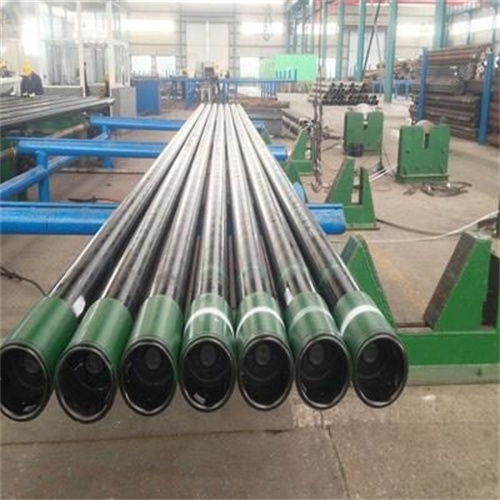
One of the key drivers of regulatory evolution in the Oil Casing industry has been the focus on enhancing well integrity and preventing environmental contamination. Regulations now mandate the use of high-quality Materials, such as corrosion-resistant alloys, to ensure the structural integrity of oil casing under extreme operating conditions. Additionally, strict testing and inspection protocols have been established to detect potential defects or weaknesses in the casing, reducing the risk of well failures and oil spills.
Tubing MakersIn recent years, there has been a growing emphasis on the application of digital technologies and data analytics in monitoring and managing oil casing operations. Advanced sensors and monitoring systems are being deployed to provide real-time data on casing integrity, temperature, pressure, and fluid flow within the wellbore. This data-driven approach enables operators to proactively identify issues, optimize production processes, and enhance safety performance.
Furthermore, the adoption of innovative materials and manufacturing techniques has revolutionized the design and performance of oil casing systems. Composite materials, such as carbon fiber-reinforced polymers, offer superior strength-to-Weight ratios and Corrosion resistance compared to traditional Steel casings. These advanced materials not only improve the longevity and reliability of oil casing but also contribute to reducing the environmental footprint of Oil and Gas operations.
As the oil and gas industry transitions towards a more sustainable and low-carbon future, regulations governing The use of oil casing are expected to become more stringent and comprehensive. Environmental considerations, such as methane emissions reduction and water conservation, are likely to drive the development of new regulatory frameworks that promote responsible resource extraction and minimize ecological impact.
 In conclusion, the evolution of regulations in the oil casing industry reflects a broader shift towards sustainable practices and technological innovation in the energy sector. By embracing progressive regulations and leveraging cutting-edge technologies, the oil and gas industry can enhance operational efficiency, mitigate risks, and contribute to a more environmentally conscious approach to resource development.