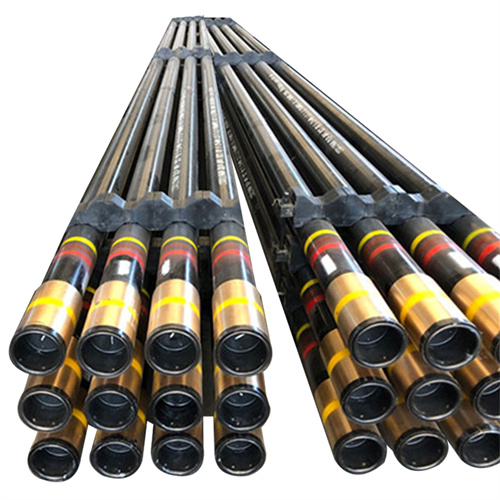
Uchanganuzi wa Kina na Tathmini Linganishi ya Nyenzo za Kawaida za Kufunga Mafuta
Kuchunguza Ufanisi: Utafiti Mwafaka wa Kulinganisha Juu ya Nyenzo za Kawaida za Kuweka Mafuta
Mwishowe, uchaguzi wa nyenzo unategemea mahitaji ya hali mahususi ya uchimbaji, vipengele vya mazingira, na bajeti, ambayo daima inalenga utendakazi bora na maisha marefu. Tathmini hii husaidia kutoa mwanga juu ya aina muhimu za vifaa vya kuhifadhia mafuta, kusaidia mchakato wa uteuzi kwa matumizi mbalimbali ya kuchimba visima. Katika ulimwengu wenye nguvu kama uchimbaji wa mafuta, kuelewa umuhimu wa nyenzo hizi ni muhimu kwa operesheni iliyofanikiwa.
When delving into the world of Oil drilling, an area that often sparks interest and curiosity is the Material used for Oil Casings. With different choices available, it’s important to establish a comprehensive and relative illustration of some common Oil casing materials. This discussion will focus primarily on Carbon Steel, alloy steel, and Stainless Steel.
Starting with carbon steel, a widely employed material for oil casing, nothing precedes its presence in the oil industry due to its delightfully convivial set of properties. The robustness and elasticity of carbon steel allow it to withstand extreme pressures found in Oil Wells. Moreover, the admirable resistance of carbon steel against collapsing and the crushing of oval-shaped or misaligned Pipes give it an edge against shifting geological structures deep within the oil wells. However, despite these remarkable properties, carbon steel has its drawbacks. It is susceptible to oxidation or rusting, which can lead to a decline in pipe quality and longevity.
Casing Pipe china good CompanyNext is alloy steel which is an amalgamation of carbon steel with other elements such as nickel, manganese, and chromium, augmenting the overall casing quality. It exhibits enhanced resistance to corrosion compared to carbon steel. The inclusion of nickel reduces thermal expansion, while manganese enhances wear resistance, and chromium imparts Corrosion resistance. The integration of these elements gives alloy steel an upper hand in terms of strength and resistance to geological pressures, temperature fluctuations, and corrosiveness of oil wells. However, its use in oil casing is somewhat restricted due to high costs linked to its exceptional attributes, remaining a less common choice for most oil drilling operations.
Lastly, stainless steel stands out due to its exceptional resistance to corrosion even in harsh environments, attributing to its widespread use in offshore drilling. It is a product of alloy steel with a higher percentage of chromium, with traces of molybdenum and nickel, all augmenting resistance against corrosion and wear. This kind of steel is the ideal choice for drilling in saline or corrosive environments, as it minimizes the risks of pipe erosion and premature casing failure. Nevertheless, similar to alloy steel, widespread use of stainless steel is inhibited by its high costs.
A close examination of the oil casing materials reveals that each provides specific advantages that render them suitable for varying drilling conditions. The utilization of carbon steel works wonderfully due to its strength and elasticity, albeit with drawbacks of rusting. Alloy steel, on the other hand, presents improved resistance to corrosion and varied environmental conditions, but its use is limited by the high costs. Stainless steel, with its excellent resistance to corrosion and wear, finds extensive use in corrosive environments, despite cost constraints.

Ultimately, the choice of material depends upon the demands of the specific drilling situation, environmental factors, and budget, always aiming for optimal performance and longevity. This evaluation helps shed light on the critical types of oil casing materials, aiding the selection process for various drilling applications. In a world as dynamic as oil drilling, understanding the eccentricities of these materials is integral for successful operation.