Miundo ya Nyenzo Iliyoimarishwa kwa Uimara Uliopanuliwa
Teknolojia za Kustahimili Uharibifu wa Juu
Vipengele vya Usanifu wa Riwaya kwa Uadilifu wa Kimuundo Ulioboreshwa
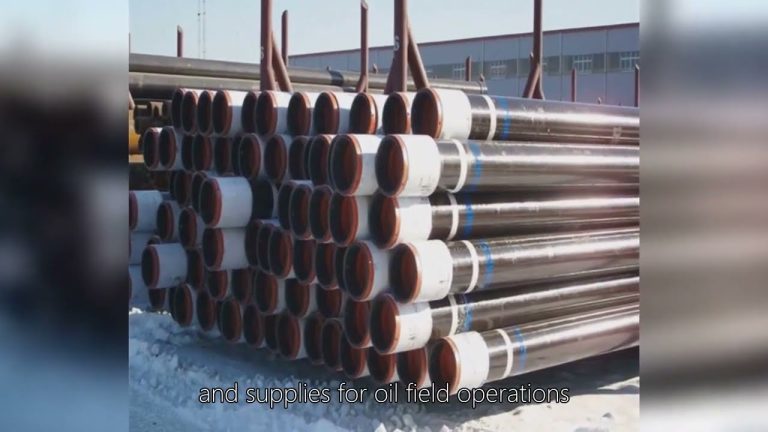
Sekta ya mafuta na gesi inaendelea kubadilika, ikisukumwa na harakati za mara kwa mara za uvumbuzi ili kuimarisha ufanisi, usalama na maisha marefu katika shughuli. Eneo moja ambalo limeona maendeleo makubwa katika miaka ya hivi karibuni ni muundo wa kabati la mafuta. Kijadi, makasha ya mafuta yamekuwa na jukumu muhimu katika uadilifu wa kisima, kulinda kisima kutokana na shinikizo la nje na kuhakikisha uchimbaji salama wa hidrokaboni. Hata hivyo, mahitaji ya mazingira ya kisasa ya kuchimba visima, yenye visima virefu zaidi na hali ngumu zaidi, yamelazimisha kufikiria upya muundo wa kabati ili kuboresha uadilifu wa muundo na maisha marefu.
Mojawapo ya maendeleo yanayotia matumaini katika suala hili ni kuanzishwa kwa miundo bunifu ya kabati ambayo ahadi ya kuongeza maisha ya huduma mara mbili ikilinganishwa na casings ya kawaida. Maendeleo haya yanawakilisha maendeleo makubwa katika tasnia, kushughulikia changamoto kuu kama vile upinzani dhidi ya kutu, nguvu za kimitambo, na kuegemea kwa jumla.
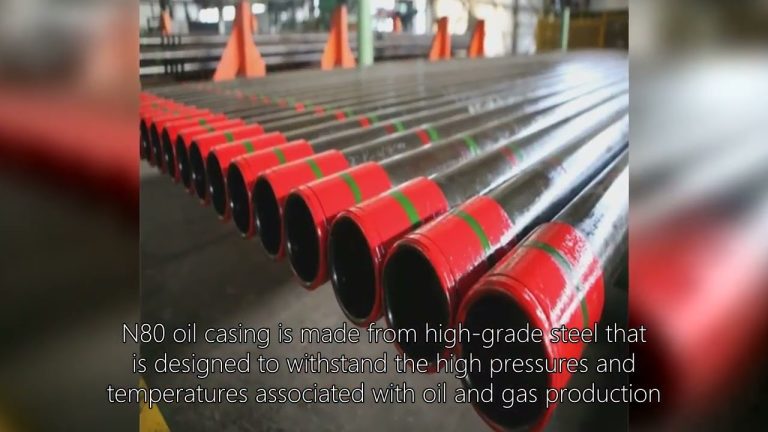
Kiini cha miundo hii mipya ni nyenzo za hali ya juu na mbinu za uhandisi ambazo zimeunganishwa kwa uangalifu ili kuboresha utendaji chini ya hali mbaya. Kwa mfano, matumizi ya aloi za nguvu za juu pamoja na mipako inayostahimili kutu imethibitisha ufanisi katika kupunguza athari za mazingira ya babuzi, ambayo inaweza kuharibu nyenzo za jadi za casing kwa muda. Kwa kujumuisha nyenzo hizi, wahandisi wameweza kupanua maisha ya utendakazi wa casings huku wakidumisha au hata kuboresha usalama wa uendeshaji.
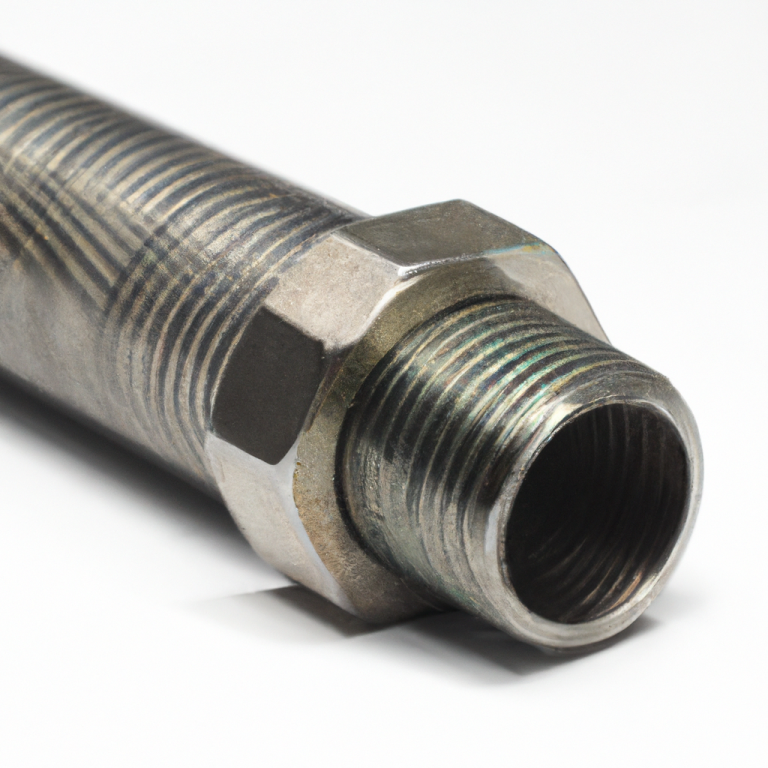
Aidha, uadilifu wa muundo wa kabati hizi mpya umeimarishwa kupitia miundo ya kijiometri inayoboresha usambazaji wa mzigo na udhibiti wa mafadhaiko. Hii ni pamoja na utekelezaji wa wasifu mpya wa nyuzi na miundo ya muunganisho ambayo huongeza uwezo wa kabati kuhimili nguvu za axial na radial bila kuathiri uadilifu. Ubunifu kama huo sio tu unaboresha kutegemewa kwa kabati lakini pia hupunguza uwezekano wa kushindwa kwa gharama kubwa wakati wa kuchimba visima na shughuli za uzalishaji.
Mbali na uboreshaji wa nyenzo na miundo, kipengele kingine muhimu cha miundo hii mipya ni kubadilika kwao kwa hali mbalimbali za kijiolojia na uendeshaji. . Wahandisi wamerekebisha miundo ya kabati kulingana na wasifu mahususi wa visima na mazingira ya uchimbaji, kuhakikisha suluhu lililowekwa wazi ambalo linaboresha utendaji na maisha marefu. Ubinafsishaji huu sio tu unaboresha ufanisi katika ujenzi na uendeshaji wa kisima lakini pia huongeza ufanisi wa jumla wa gharama katika mzunguko wa maisha wa kisima.
Aidha, kupitishwa kwa miundo hii ya hali ya juu ya kabati kunasisitiza mwelekeo mpana zaidi katika sekta hiyo kuelekea uchimbaji wa rasilimali endelevu na bora. Kwa kupanua maisha ya huduma ya casings, waendeshaji wanaweza kupunguza athari ya mazingira inayohusishwa na uingizwaji wa mara kwa mara wa casing, kama vile kupunguza matumizi ya nyenzo na uzalishaji wa taka. Hii inawiana na mipango ya kimataifa inayolenga kukuza usimamizi wa rasilimali unaowajibika na kupunguza kiwango cha kaboni cha shughuli za mafuta na gesi.
Tukiangalia mbeleni, mageuzi ya muundo wa kabati ya mafuta yanatarajiwa kuendelea bila kusitishwa, yakiendeshwa na utafiti unaoendelea na juhudi za maendeleo zinazolenga kusukuma mbele. mipaka ya uvumbuzi wa kiteknolojia. Maendeleo ya siku za usoni yanaweza kulenga katika kuimarisha zaidi sifa za nyenzo, kuboresha mbinu za utengenezaji, na kuunganisha teknolojia mahiri za ufuatiliaji na matengenezo ya wakati halisi.
Kwa kumalizia, kuanzishwa kwa miundo bunifu ya kabati kunawakilisha mabadiliko katika tasnia ya mafuta na gesi, na kuwapa waendeshaji suluhisho thabiti ili kuimarisha uadilifu wa kisima, kuboresha ufanisi wa utendaji kazi, na kurefusha maisha ya vifaa. Kwa kutumia nyenzo za hali ya juu, jiometri zilizolengwa, na kujitolea kwa uendelevu, miundo hii mipya sio tu inakidhi mahitaji ya mazingira magumu ya leo ya kuchimba visima lakini pia hufungua njia kwa siku zijazo za nishati na kuwajibika zaidi. Wakati wadau wa tasnia wanaendelea kukumbatia maendeleo haya, manufaa ya miundo ya kabati iliyoimarishwa iko tayari kuleta athari ya kudumu katika ufanisi na uendelevu wa shughuli za mafuta na gesi duniani kote.
In the realm of Oil extraction, advancements in technology often hold the key to enhancing efficiency, safety, and sustainability. One of the most critical components in this industry is the Oil Casing, a fundamental structure that protects wells and facilitates the extraction of Oil and Gas. Traditionally, oil casings have faced significant challenges, especially from corrosion, which can compromise their integrity and shorten their lifespan. However, recent innovations have introduced a new concept in oil casing design: advanced Corrosion resistance technologies that promise to double their service life.
Corrosion has long been a formidable adversary in the oil and gas sector, costing billions annually in Maintenance and replacement. Conventional oil casings, typically made from Steel alloys, are susceptible to corrosion due to the harsh conditions they endure underground. Factors such as the presence of corrosive elements in the formation fluids, high temperatures, and pressures accelerate the degradation of these casings over time. As a result, operators have had to deploy costly interventions to maintain well integrity and ensure operational safety.
The new wave of oil casing design addresses these challenges with innovative Materials and coatings. One notable approach involves the use of advanced alloys that are specifically engineered to withstand corrosive environments. These alloys not only provide enhanced resistance to chemical reactions but also maintain mechanical strength under extreme conditions. By integrating these materials into casing design, operators can significantly prolong the lifespan of wells, thereby reducing downtime and operational costs.
Furthermore, advancements in coating technologies play a pivotal role in enhancing corrosion resistance. Traditional coatings have typically provided a basic level of protection, but recent developments have yielded coatings that offer superior durability and adhesion properties. These advanced coatings create a barrier between the casing and corrosive elements, effectively shielding the structure from degradation over prolonged periods. Moreover, some coatings are designed to be self-healing, minimizing the impact of minor abrasions or scratches that could compromise protection.
In addition to materials and coatings, innovative manufacturing techniques contribute to the longevity of oil casings. Precision engineering ensures that casings are manufactured to exact specifications, minimizing defects that could serve as initiation points for corrosion. Advanced welding technologies further enhance structural integrity, reducing the likelihood of weak points that could compromise the casing’s performance over time.
The adoption of these new technologies marks a significant shift in the oil and gas industry’s approach to well integrity and maintenance. Operators are increasingly recognizing the long-term benefits of investing in corrosion-resistant oil casings. Beyond immediate cost savings on maintenance and replacement, the extended service life of these casings contributes to sustainable operations by reducing the industry’s environmental footprint.
Moreover, the enhanced reliability of oil casings supports safer working environments for personnel and mitigates risks associated with well failures. With fewer interventions required to address corrosion-related issues, operators can focus resources on optimizing production and exploring new reserves, driving overall efficiency and profitability in the industry.
Looking ahead, research and development contiNue to push the boundaries of oil casing technology. Future innovations may explore nanotechnology applications for even more robust coatings or incorporate smart materials capable of actively responding to changing environmental conditions. These advancements promise to further elevate the performance and longevity of oil casings, reinforcing their role as critical infrastructure in global energy production.
In conclusion, the evolution of oil casing design represents a cornerstone in advancing corrosion resistance technologies. By leveraging innovative materials, coatings, and manufacturing techniques, the industry is poised to double the service life of oil casings, ushering in a new era of reliability and sustainability. As these technologies continue to mature, their impact on operational efficiency and environmental stewardship will undoubtedly shape the future landscape of oil and gas extraction.
Novel Design Features for Improved Structural Integrity
The oil and gas industry is continually evolving, driven by the constant pursuit of innovation to enhance efficiency, safety, and longevity in operations. One area that has seen significant advancements in recent years is oil casing design. Traditionally, oil casings have served a critical role in well integrity, protecting the wellbore from external pressures and ensuring the safe extraction of hydrocarbons. However, the demands of modern drilling environments, characterized by deeper wells and harsher conditions, have necessitated a rethinking of casing design to improve structural integrity and longevity.
One of the most promising developments in this regard is the introduction of innovative casing designs that promise to double the service life compared to conventional casings. This advancement represents a significant leap forward in the industry, addressing key challenges such as corrosion resistance, mechanical strength, and overall reliability.
At the heart of these new designs are advanced materials and engineering techniques that have been carefully integrated to enhance performance under extreme conditions. For instance, the use of high-strength alloys combined with corrosion-resistant coatings has proven effective in mitigating the effects of corrosive environments, which can significantly degrade traditional casing materials over time. By incorporating these materials, engineers have been able to extend the operational lifespan of casings while maintaining or even improving operational safety.
Moreover, the structural integrity of these new casings has been bolstered through innovative geometric designs that optimize load distribution and stress management. This includes the implementation of novel Thread profiles and Connection designs that enhance the casing’s ability to withstand axial and radial forces without compromising integrity. Such innovations not only improve the reliability of the casing but also reduce the likelihood of costly failures during drilling and production operations.
In addition to material and structural enhancements, another key aspect of these new designs is their adaptability to diverse geological and operational conditions. Engineers have tailored casing designs to specific well profiles and drilling environments, ensuring a bespoke solution that optimizes performance and longevity. This customization not only improves efficiency in well Construction and operation but also enhances overall cost-effectiveness over the lifecycle of the well.
 Furthermore, the adoption of these advanced casing designs underscores a broader trend within the industry towards sustainable and efficient resource extraction. By extending the service life of casings, operators can minimize the environmental impact associated with frequent casing replacements, such as reduced material consumption and waste generation. This aligns with global initiatives aimed at promoting responsible resource management and reducing the carbon footprint of oil and gas operations.
Looking ahead, the evolution of oil casing design is expected to continue unabated, driven by ongoing research and development efforts aimed at pushing the boundaries of technological innovation. Future advancements may focus on further enhancing material properties, refining manufacturing techniques, and integrating smart technologies for real-time monitoring and maintenance.
In conclusion, the introduction of innovative casing designs represents a transformative shift in the oil and gas industry, offering operators a robust solution to enhance well integrity, improve operational efficiency, and prolong equipment lifespan. By leveraging advanced materials, tailored geometries, and a commitment to sustainability, these new designs not only meet the demands of today’s challenging drilling environments but also pave the way for a more resilient and responsible energy future. As industry stakeholders continue to embrace these advancements, the benefits of enhanced casing designs are poised to make a lasting impact on the efficiency and sustainability of oil and gas operations worldwide.