Kuchunguza Mbinu ya Kukokotoa Uzito na Vipengele vya Ushawishi vya Mafuta: Mwongozo Kamili
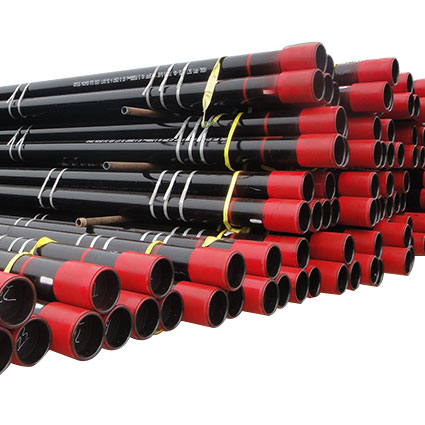
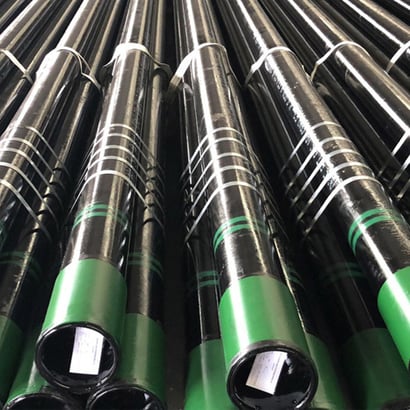
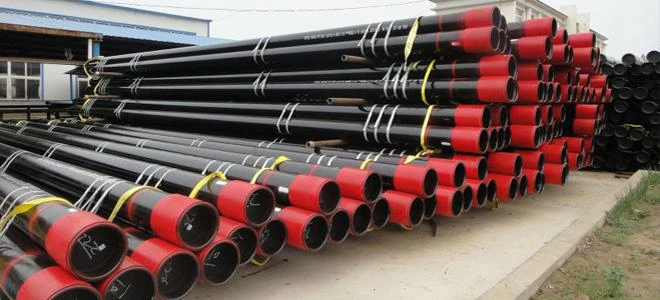
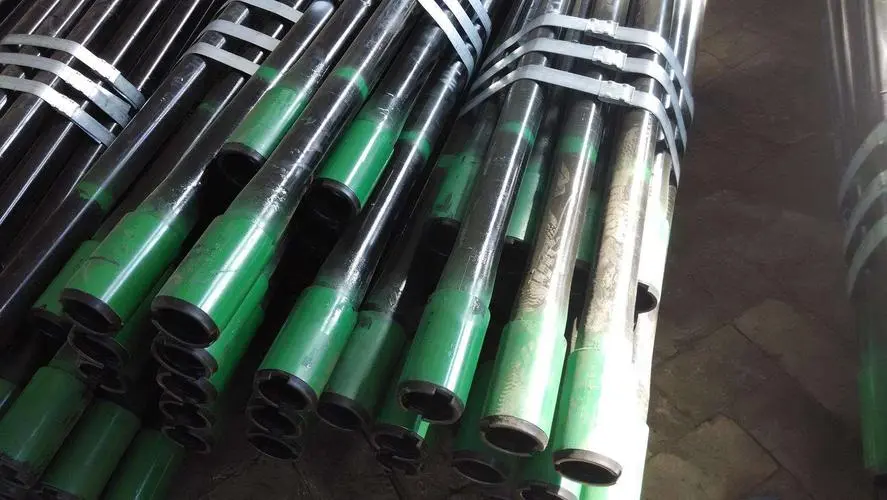
API 5ct J55 Tubing Bei ya Jumla
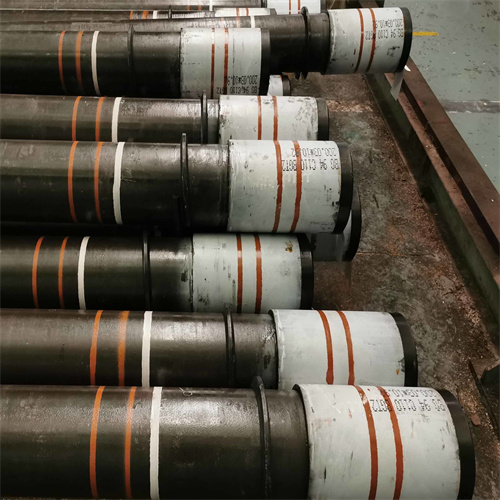
Casing Pipe,casing bomba la kisima, casing bomba la juu zaidi, casing vs carrier pipe, casing for ac pipe, casing Steel Pipe, casing pipe size, casing pipe ya pvc, casing pipe, casing pipe wasambazaji nchini china, casing capping pipe, casing drill bomba, bomba la kubebea, ukubwa wa bomba la kufungia, flange ya bushing, Sleeve ya bushing, bushing, mkono wa bushing, kuzaa bushing, bushing reducer, bushing tool, bushing pvc, bushing maana
Kwa kumalizia, mbinu ya kukokotoa uzito na vipengele vya ushawishi vya mafuta ni vipengele changamano lakini muhimu vya sekta ya mafuta na gesi. Wanahitaji uelewa wa kina wa mali ya kimwili ya mafuta na hali ambayo huhifadhiwa na kusafirishwa. Kwa kuhesabu kwa usahihi uzito wa mafuta na kuelewa mambo yanayoathiri, wataalamu wa sekta hiyo wanaweza kuhakikisha vipimo na uthamini sahihi zaidi, na hivyo kusababisha faida na ufanisi bora.
The Weight calculation method is not as straightforward as it may seem. This is because Oil is a complex mixture of different hydrocarbons, each with its own specific gravity. Therefore, the weight of oil is not just a simple multiplication of its volume and density. Instead, it requires a more sophisticated calculation that takes into account the specific gravity of each hydrocarbon component. This is typically done using the American Petroleum Institute (API) gravity, a measure of how heavy or light a petroleum liquid is compared to water. If its API gravity is greater than 10, it is lighter and floats on water; if less, it is heavier and sinks.
Now, let’s delve into the factors that influence the weight of oil. The first and most obvious factor is the volume of oil. The more oil there is, the heavier it will be. However, as mentioned earlier, the density of the oil also plays a significant role. The density of oil can be influenced by several factors, including its composition, temperature, and pressure.
The composition of oil refers to the types and proportions of hydrocarbons it contains. Different hydrocarbons have different densities, so the overall density of the oil will depend on its specific mixture of hydrocarbons. For instance, oil that contains a high proportion of heavy hydrocarbons will be denser and therefore heavier than oil that contains mostly light hydrocarbons.
Temperature and pressure also have a significant impact on the density and thus the weight of oil. As the temperature increases, the oil expands, which decreases its density and therefore its weight. Conversely, as the pressure increases, the oil compresses, which increases its density and therefore its weight.
casing pipe,casing well pipe, casing supreme pipe, casing vs carrier pipe, casing for ac pipe, casing steel pipe, casing pipe size, casing pvc pipe Price, casing pipe, casing pipe Suppliers in China, casing capping pipe, casing drill pipe,carrier pipe,casing pipe size,bushing flange,bushing sleeve,bushing,bushing arm,bushing bearing,bushing reducer,bushing tool,bushing pvc,bushing meaning
In conclusion, the weight calculation method and influencing factors of oil are complex but crucial aspects of the Oil and Gas industry. They require a deep understanding of the physical properties of oil and the conditions under which it is stored and transported. By accurately calculating the weight of oil and understanding the factors that influence it, industry professionals can ensure more precise measurements and valuations, leading to improved profitability and efficiency.