Umuhimu wa Hifadhi ya Mafuta katika Maeneo ya Mafuta ya Pwani
Tofauti za Kimuundo katika Uwekaji Mafuta kwa Mazingira ya Pwani
Mazingatio ya Gharama na Ufanisi kwa Hifadhi ya Mafuta katika Uendeshaji wa Ufukweni
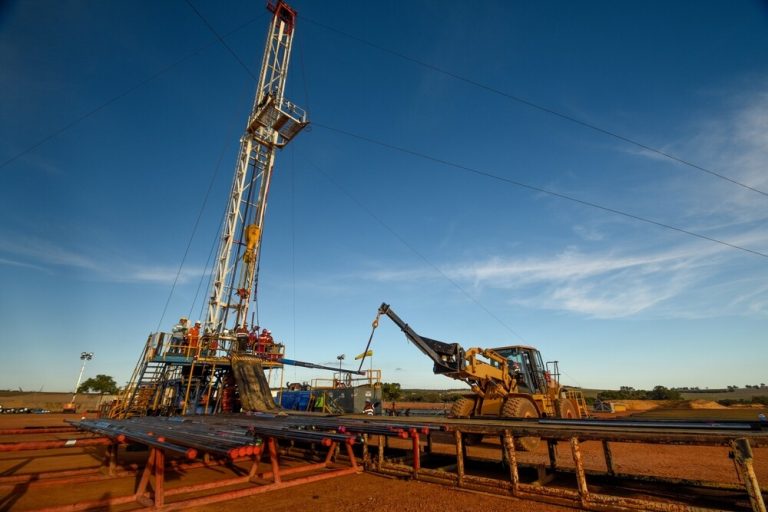
Kifuko cha mafuta kina jukumu muhimu katika uchimbaji wa mafuta kutoka maeneo ya pwani, ambapo hali na mahitaji yanatofautiana sana na shughuli za nje ya nchi. Mojawapo ya mambo muhimu ambayo hutenganisha kabati ya mafuta katika maeneo ya pwani ni msisitizo wa gharama na ufanisi. Tofauti na uchimbaji wa visima kwenye ufuo, shughuli za ufukweni mara nyingi hukabiliana na changamoto tofauti ambazo zinahitaji mbinu ya kipekee ya muundo na utekelezaji wa kasha.
Mazingatio ya gharama huwa na jukumu muhimu katika kubainisha aina ya kifuko cha mafuta kinachotumika katika maeneo ya pwani. Kwa kuzingatia hali ya tovuti za uchimbaji visima ufukweni, ambapo ufikivu na vifaa kwa kawaida ni rahisi zaidi ikilinganishwa na majukwaa ya nje ya nchi, ufanisi wa gharama unakuwa jambo la msingi kwa waendeshaji. Uchaguzi wa nyenzo za Casing, saizi, na muundo huathiri moja kwa moja gharama ya jumla ya shughuli za uchimbaji. Waendeshaji lazima wawe na usawa kati ya gharama na ubora ili kuhakikisha kuwa kabati inakidhi mahitaji ya uendeshaji huku ikisalia kuwa na uwezo wa kiuchumi.
Mazingatio ya ufanisi yanasisitiza zaidi umuhimu wa masuluhisho ya kabati yaliyolengwa kwa maeneo ya mafuta ya pwani. Katika shughuli za ufukweni, lengo si tu katika kuchimba mafuta kwa ufanisi lakini pia katika kuboresha mchakato mzima wa kuchimba visima. Muundo wa casing lazima uwezesha shughuli za kuchimba visima, kutoa usaidizi wa kutosha kwa kisima, na kuhimili mikazo iliyowekwa wakati wa uchimbaji. Ufanisi katika uchimbaji wa visima ufukweni si tu kuhusu kasi lakini pia kuhusu kuhakikisha maisha marefu na uadilifu wa kisima.
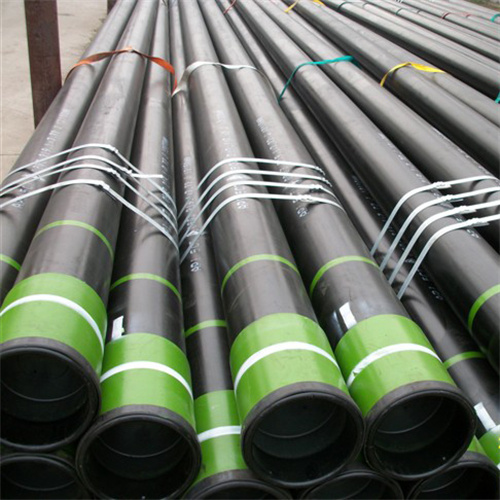
Chaguo la nyenzo za kabati ni uamuzi muhimu unaoathiri gharama na ufanisi katika maeneo ya mafuta ya nchi kavu. Chuma casing ni chaguo maarufu kutokana na uimara wake, nguvu, na upinzani dhidi ya kutu. Walakini, maendeleo katika sayansi ya nyenzo yamesababisha ukuzaji wa casings za mchanganyiko na aloi ambazo hutoa sifa za utendakazi zilizoimarishwa. Waendeshaji lazima watathmini ubadilishanaji kati ya kabati za chuma asilia na nyenzo mpya zaidi ili kubaini chaguo linalofaa zaidi kwa hali zao mahususi za uchimbaji wa ufukweni.
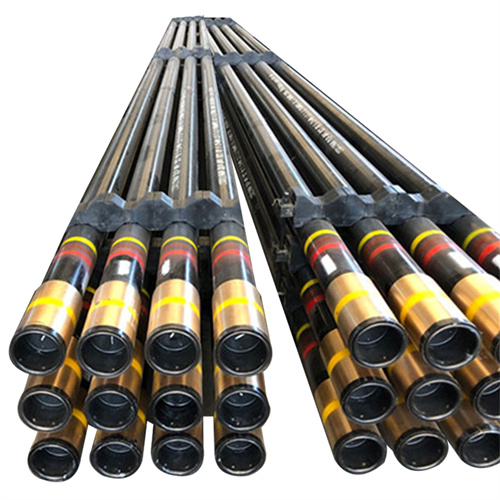
Mazingatio ya ukubwa pia yana jukumu muhimu katika kubuni kabati la mafuta kwa shughuli za ufukweni. Kipenyo na unene wa casing lazima ichaguliwe kwa uangalifu ili kutoa usaidizi wa kutosha kwenye kisima huku ikiruhusu uchimbaji wa mafuta kwa ufanisi. Vifurushi vilivyozidi ukubwa vinaweza kusababisha gharama zisizo za lazima na utendakazi duni, ilhali maganda yenye ukubwa wa chini yanaweza kuhatarisha uadilifu wa kisima. Kupata uwiano unaofaa katika ukubwa wa kabati ni muhimu kwa ajili ya kuboresha shughuli za uchimbaji visima katika maeneo ya pwani.
API 5ct iso 11960Kwa kumalizia, changamoto za kipekee zinazoletwa na maeneo ya ufukweni ya mafuta zinahitaji mbinu maalum ya kubuni kabati ya mafuta. Mazingatio ya gharama na ufanisi ni muhimu katika kubainisha aina ya kabati inayotumika, huku waendeshaji wakitafuta kusawazisha uwezo wa kiuchumi na mahitaji ya uendeshaji. Kwa kutathmini kwa uangalifu vipengele kama vile uteuzi wa nyenzo, kuzingatia ukubwa, na ufanisi wa muundo, shughuli za kuchimba visima kwenye pwani zinaweza kufikia utendakazi bora na tija huku kikihakikisha uadilifu wa muda mrefu wa kisima.
Another key factor influencing the design of Oil Casing for onshore environments is the need to minimize environmental impact. Onshore drilling sites are often located in close proximity to communities, agricultural areas, or environmentally sensitive regions. As such, the oil casing must be designed to prevent leaks, spills, or other environmental hazards that could result from drilling operations. The structural integrity of the casing plays a critical role in containing the Oil and Gas within the well, thereby reducing the risk of environmental contamination.

In addition to environmental considerations, the economic feasibility of onshore drilling operations also influences the design of oil casing. Onshore drilling projects are typically more cost-sensitive compared to offshore ventures. Therefore, the structural Differences in onshore oil casing aim to strike a balance between cost-effectiveness and operational efficiency. By optimizing the design of the casing for onshore environments, operators can reduce overall project costs while maintaining the necessary safety and performance standards.
In conclusion, the structural differences in oil casing for onshore environments are driven by a combination of geological, logistical, environmental, and economic factors. The unique challenges posed by onshore drilling operations necessitate specialized casing designs that can withstand the rigors of land-based extraction while minimizing environmental impact and ensuring cost-effectiveness. By understanding these factors and designing oil casing accordingly, operators can enhance the efficiency, safety, and sustainability of onshore oil production.
Cost and Efficiency Considerations for Oil Casing in Onshore Operations
Oil casing plays a crucial role in the extraction of oil from onshore fields, where the conditions and requirements differ significantly from offshore operations. One of the key factors that set oil casing in onshore fields apart is the emphasis on cost and efficiency considerations. Unlike offshore drilling, onshore operations often face different challenges that necessitate a unique approach to casing design and implementation.
Cost considerations play a pivotal role in determining the type of oil casing used in onshore fields. Given the nature of onshore drilling sites, where accessibility and logistics are typically more straightforward compared to offshore platforms, cost efficiency becomes a primary concern for operators. The choice of casing Material, size, and design directly impacts the overall cost of drilling operations. Operators must strike a balance between cost and quality to ensure that the casing meets the operational requirements while remaining economically viable.
Efficiency considerations further underscore the importance of tailored casing solutions for onshore oil fields. In onshore operations, the focus is not only on extracting oil efficiently but also on optimizing the entire drilling process. The casing design must facilitate Smooth drilling operations, provide adequate support to the wellbore, and withstand the stresses imposed during extraction. Efficiency in onshore drilling is not just about speed but also about ensuring the longevity and integrity of the well.
The choice of casing material is a critical decision that influences both cost and efficiency in onshore oil fields. Steel casing is a popular choice due to its durability, strength, and resistance to corrosion. However, advancements in materials science have led to the development of composite and alloy casings that offer enhanced performance characteristics. Operators must evaluate the trade-offs between traditional steel casings and newer materials to determine the most suitable option for their specific onshore drilling conditions.
Size considerations also play a significant role in the design of oil casing for onshore operations. The Diameter and thickness of the casing must be carefully selected to provide adequate support to the wellbore while allowing for efficient oil extraction. Oversized casings can lead to unnecessary costs and operational inefficiencies, while undersized casings may compromise the integrity of the well. Finding the right balance in casing size is essential for optimizing drilling operations in onshore fields.
api 5ct iso 11960In conclusion, the unique challenges posed by onshore oil fields necessitate a specialized approach to oil casing design. Cost and efficiency considerations are paramount in determining the type of casing used, with operators seeking to balance economic viability with operational requirements. By carefully evaluating factors such as material selection, size considerations, and design efficiency, onshore drilling operations can achieve optimal performance and productivity while ensuring the long-term integrity of the wellbore.