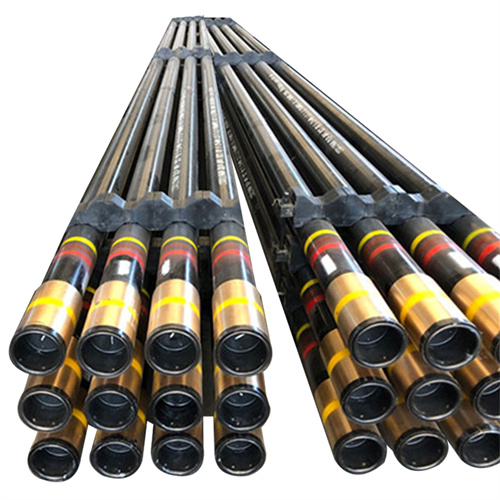
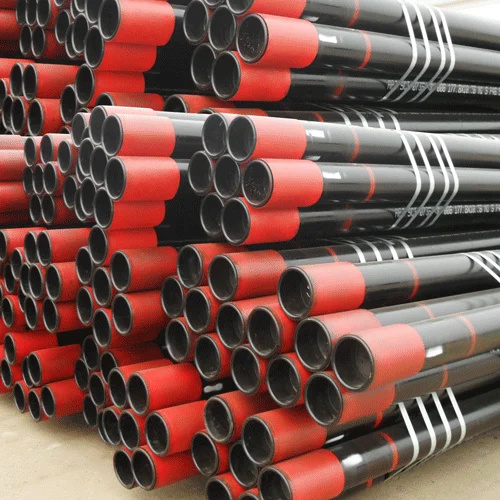
Petrol Endüstrisinde Çelik Boruların Kullanımının Araştırılması
Çelik borular petrol endüstrisinde çok önemli bir bileşendir ve bu hayati ürünün çıkarılması, taşınması ve rafine edilmesi için omurga sağlar. Petrol taşımacılığı için boru seçimi keyfi değildir. Çelik boruları, petrol endüstrisinin özel ihtiyaçlarına hizmet etme konusunda benzersiz kılan faktörlerin birleşiminden kaynaklanmaktadır.
Çelik boruların petrol endüstrisinde kullanılmasının başlıca nedenlerinden biri, dayanıklılıklarıdır. Çelik, petrol çıkarma ve taşımanın zorlu koşullarına dayanabilecek sağlam ve esnek bir malzemedir. Petrol operasyonlarında yaygın olarak görülen yüksek basınca, aşırı sıcaklıklara ve aşındırıcı maddelere dayanıklıdır. Çeliğin gücü, boruların işlevlerini uzun süre arızalanmadan yerine getirebilmesini sağlar ve petrolün kuyulardan rafinerilere ve pazarlara düzgün akışını sağlamada kritik önem taşıyan güvenilirliği sağlar.
Çelik borular, güçlerinin yanı sıra üstün çok yönlülük de sunar. Belirli bir petrol operasyonunun özel ihtiyaçlarına göre özelleştirmeye olanak tanıyan geniş bir boyut ve kalınlık yelpazesinde mevcutturlar. İşin, ister petrolün derin bir açık deniz kuyusundan çıkarılmasını isterse rafine ürünlerin geniş bir boru hattı ağı aracılığıyla taşınmasını gerektirmesi olsun, bu göreve uygun bir çelik boru vardır.
Çelik boruların uyarlanabilirliği, farklı taşıma kapasitelerine kadar uzanır. petrol ve petrol ürünleri türleri. Farklı ham petrollerin kimyasal bileşimleri farklıdır ve rafine edilmiş ürünler, viskoz yağlayıcılardan uçucu yakıtlara kadar çeşitlilik gösterir. Çelik borular, kimyasal dirençleri nedeniyle çok çeşitli bu maddeleri bozulmadan veya kirlenmeye neden olmadan taşıyabilir.
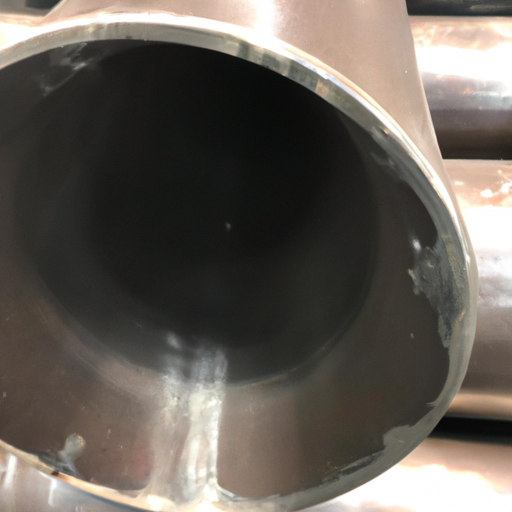
Ayrıca çelik borular, kaynaklanabilirliklerinden dolayı petrol endüstrisinde tercih edilmektedir. Çelik borular, herhangi bir uzunlukta sürekli bir boru hattı oluşturmak için birbirine kaynaklanabilir; bu, uzun mesafeli petrol boru hatlarının yapımında paha biçilemez bir özelliktir. Kaynak yoluyla kesintisiz bağlantılar oluşturma yeteneği, sızıntı riskini en aza indirerek petrol taşımanın güvenliğini ve verimliliğini artırır.
Son olarak, sağlamlıklarına ve çok yönlülüklerine rağmen çelik borular uygun maliyetlidir. Çelik boruların uzun ömürlülüğü ve güvenilirliği, sık sık değiştirme ihtiyacını azaltarak uzun vadeli maliyetlerin düşmesine neden olur. İlk yatırım diğer malzemelere göre daha yüksek olsa da çelik boruların dayanıklılığı ve performansı zaman içinde önemli getiriler sağlar.
Understanding the Role of Composite Pipes in Oil Transportation
In the realm of oil transportation, the choice of pipe Material is crucial for ensuring efficiency, safety, and longevity. Oil, by its nature, is a highly corrosive substance, and the transportation infrastructure must be built to withstand this. Among various types of pipes used, composite pipes have emerged as an increasingly popular choice and have a key role to play.
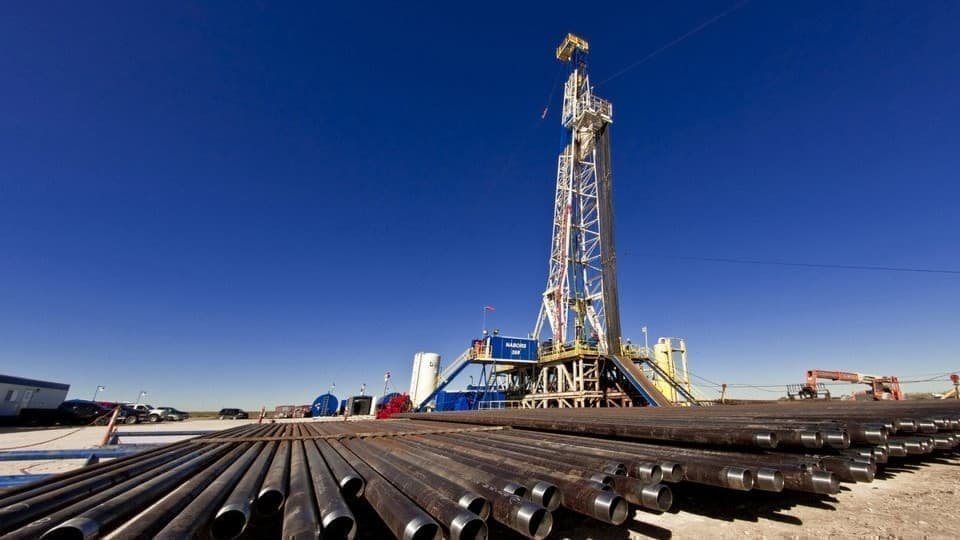
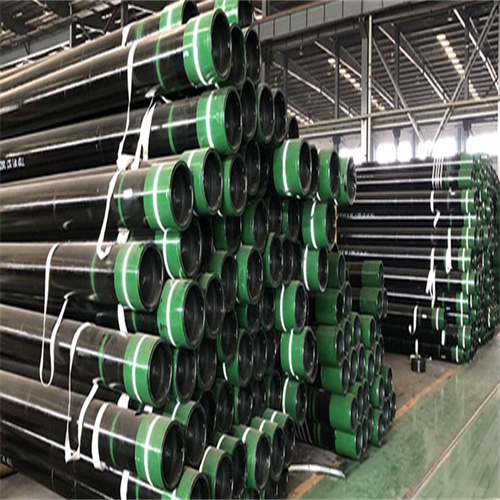 Composite pipes, essentially a blend of different materials, deliver an impressive performance in oil transportation due to their unique characteristics. The composite structure typically consists of an inner layer made of corrosion-resistant material, a middle layer designed for strength, and an outer layer that protects against external damage. This strategic combination results in a pipe that is resistant to corrosion, light in Weight, and robust in structure, making it ideal for transporting a challenging substance like oil.
To begin with, the inner layer of a composite pipe is typically made from a corrosion-resistant material such as plastic or a combination of resin and glass fiber. This layer is in direct contact with the oil and must resist the corrosive properties of the substance over prolonged periods. Moreover, the use of these materials leads to a Smoother inner surface, reducing friction and facilitating more efficient flow of oil.
Casing Pipe,casing well pipe, casing supreme pipe, casing vs carrier pipe, casing for ac pipe, casing Steel Pipe, casing pipe size, casing pvc pipe Price, casing pipe, casing pipe Suppliers in china, casing capping pipe, casing drill pipe,carrier pipe,casing pipe size,bushing flange,bushing Sleeve,bushing,bushing arm,bushing bearing,bushing reducer,bushing tool,bushing pvc,bushing meaning
The middle layer, often made from materials like steel or reinforced fibers, is designed to provide strength and durability. It is this layer that enables composite pipes to withstand the high pressure associated with oil transportation. Even under harsh conditions, these pipes maintain their structural integrity, offering a reliable solution for oil transportation over long distances.
The outer layer of the pipe, usually composed of a protective material like polyethylene, shields the pipe from external threats such as physical damage and UV radiation. This layer ensures the longevity of the pipe, even when exposed to harsh environmental conditions.
API 5ct C90 CASING China Best FactoryFurthermore, composite pipes are lighter in weight compared to their conventional counterparts, making them easier to handle, install and maintain. This reduction in weight does not compromise the pipe’s strength or durability, but rather enhances its practicality in the demanding field of oil transportation.
In the context of sustainable practices, composite pipes offer another advantage. The materials used in their Construction can often be recycled, reducing the environmental impact of the oil transportation infrastructure.
In conclusion, the role of composite pipes in oil transportation is significant. They offer an effective solution to the challenges posed by oil as a substance, combining strength, corrosion-resistance, and durability in a lightweight package. Furthermore, their potential for recycling aligns with the industry’s growing emphasis on sustainability. As such, composite pipes represent a progressive step in the evolution of oil transportation infrastructure.