Geopolitical Tensions
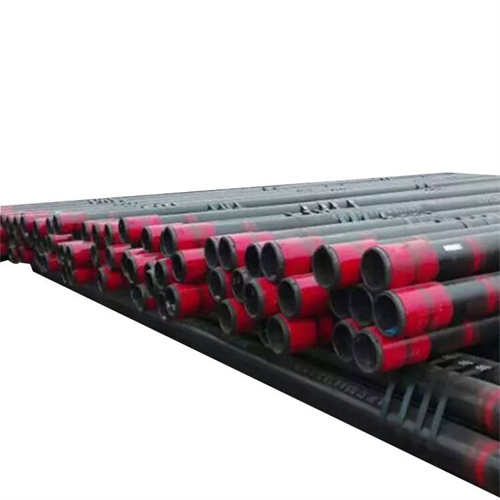
Geopolitical tensions play a significant role in influencing the fluctuations of Oil Casing market Prices, as they create an environment of uncertainty that can disrupt supply chains and alter demand dynamics. When conflicts arise in oil-rich regions, the immediate reaction in the market is often one of apprehension. Investors and stakeholders become wary of potential disruptions in oil production and transportation, leading to increased volatility in prices. For instance, tensions in the Middle East, a region that holds a substantial portion of the world’s oil reserves, can trigger sharp price increases as fears of supply shortages loom large.
Steel Tubing chinese Best MakerMoreover, the imposition of sanctions on oil-producing countries can further exacerbate these fluctuations. Sanctions can limit the ability of countries to export oil, thereby constraining global supply. This reduction in available oil can lead to a spike in prices, as buyers scramble to secure limited resources. The impact of sanctions is not only felt in the immediate market but can also have long-term implications for investment in oil infrastructure, including casing production. Companies may hesitate to invest in new projects or expand existing operations in politically unstable regions, leading to a potential decrease in future supply and further contributing to price volatility.
In addition to direct conflicts and sanctions, diplomatic relations between countries can also influence the oil casing market. For example, agreements or disagreements between major oil-producing nations, such as tHose within the Organization of the Petroleum Exporting Countries (OPEC), can lead to coordinated production cuts or increases. These decisions are often influenced by geopolitical considerations, as member countries navigate their relationships with one another and with non-member states. When OPEC decides to cut production in response to geopolitical tensions, the resulting decrease in supply can lead to higher prices, affecting the entire oil casing market.
Furthermore, the rise of nationalism in various countries can also impact oil prices. Governments may prioritize domestic production and consumption over international trade, leading to changes in export levels. This shift can create imbalances in the global oil market, resulting in price fluctuations. For instance, if a country that is a significant oil Exporter decides to restrict exports to ensure domestic supply, it can lead to increased prices on the global market, affecting the cost of oil casing and related products.
Additionally, the influence of non-state actors, such as terrorist organizations, cannot be overlooked. Attacks on oil infrastructure can lead to immediate supply disruptions, causing prices to spike. The unpredictability of such events adds another layer of complexity to the oil casing market, as stakeholders must constantly assess the risk of potential attacks and their implications for supply stability.
In conclusion, geopolitical tensions are a critical factor in the fluctuations of oil casing market prices. The interplay of conflicts, sanctions, diplomatic relations, nationalism, and the threat of non-state actors creates a landscape of uncertainty that can lead to significant price volatility. As the global demand for oil contiNues to evolve, understanding these unpredictable factors becomes essential for stakeholders in the oil casing market, enabling them to navigate the complexities of an ever-changing environment. By staying informed about geopolitical developments, companies can better anticipate market movements and make strategic decisions that align with the realities of the global oil landscape.
Supply Chain Disruptions
The oil casing market, a critical component in the Oil and Gas industry, is subject to various unpredictable factors that can lead to significant price fluctuations. One of the most impactful of these factors is supply chain disruptions. The oil casing supply chain is complex, involving multiple stages from raw Material extraction to manufacturing, transportation, and ultimately delivery to drilling sites. Each stage is susceptible to disruptions that can ripple through the entire supply chain, affecting prices and availability.
Natural disasters, such as hurricanes or earthquakes, can severely disrupt the supply chain. For instance, hurricanes in the Gulf of Mexico can halt production in offshore oil rigs, leading to a sudden decrease in the availability of Oil casing materials. This reduction in supply, coupled with ongoing demand, can drive prices upward. Similarly, earthquakes can damage infrastructure, such as Pipelines and manufacturing facilities, further exacerbating supply shortages. These natural events are often unpredictable, making it challenging for market participants to anticipate and mitigate their effects.
In addition to natural disasters, geopolitical tensions can also play a significant role in supply chain disruptions. Political instability in oil-producing regions can lead to sanctions, trade restrictions, or even military conflicts, all of which can hinder the production and transportation of oil casing materials. For example, tensions in the Middle East have historically led to fluctuations in oil prices, as disruptions in supply from this region can have a cascading effect on global markets. When key Suppliers are affected, the resulting scarcity can lead to increased prices for oil casing, as buyers compete for limited resources.
Moreover, logistical challenges can contribute to supply chain disruptions. The transportation of oil casing materials often relies on a network of trucks, ships, and railways, all of which can be affected by various factors such as labor strikes, fuel price increases, or regulatory changes. For instance, a strike by truck drivers can delay the delivery of essential materials to manufacturing plants, leading to production slowdowns. These delays can create a bottleneck in the supply chain, resulting in higher costs that are ultimately passed on to consumers in the form of increased prices for oil casing.
Another unpredictable factor is the fluctuation in raw material prices, which can significantly impact the cost of oil casing production. The primary materials used in oil casing, such as steel, are subject to their own market dynamics. Changes in demand for steel, influenced by factors such as Construction booms or economic downturns, can lead to price volatility. When the cost of raw materials rises, Manufacturers may be forced to increase their prices to maintain profit margins, contributing to overall price fluctuations in the oil casing market.
Furthermore, technological advancements and innovations can also disrupt the supply chain. While these advancements often lead to increased efficiency and reduced costs in the long term, the transition period can create uncertainty. For example, the introduction of new manufacturing techniques may require significant investment and adaptation, which can temporarily disrupt production schedules and supply availability. During this transition, prices may fluctuate as the market adjusts to the new realities of production capabilities.
In conclusion, the oil casing market is influenced by a myriad of unpredictable factors that can lead to price fluctuations. Supply chain disruptions, whether caused by natural disasters, geopolitical tensions, logistical challenges, raw material price volatility, or technological changes, all play a crucial role in sh APIng the dynamics of this market. Understanding these factors is essential for stakeholders in the oil and gas industry as they navigate the complexities of supply and demand in an ever-changing landscape.
Technological Advancements
The oil casing market, a critical component of the oil and gas industry, is influenced by a myriad of factors, among which technological advancements play a pivotal role. As the industry evolves, innovations in technology not only enhance the efficiency of oil extraction but also significantly impact the pricing dynamics of oil casing. One of the most notable advancements is the development of new materials and manufacturing processes. For instance, the introduction of high-strength steel and advanced composite materials has led to the production of more durable and lightWeight casing options. These innovations not only improve the performance of Oil Wells but also reduce the overall costs associated with drilling and completion, thereby influencing market prices.
Moreover, the implementation of automation and digital technologies has transformed the operational landscape of oil extraction. The integration of smart technologies, such as Internet of Things (IoT) devices and advanced data analytics, allows for real-time monitoring and optimization of drilling operations. This increased efficiency can lead to lower operational costs, which, in turn, can affect the pricing of oil casing. As companies are able to extract oil more efficiently and at a reduced cost, the demand for casing may fluctuate, leading to variations in market prices. Additionally, the ability to predict equipment failures and Maintenance needs through predictive analytics can minimize downtime, further stabilizing costs and influencing market trends.
Furthermore, advancements in drilling techniques, such as horizontal drilling and hydraulic fracturing, have revolutionized the oil and gas sector. These techniques require specialized casing solutions that can withstand higher pressures and corrosive environments. As the demand for such advanced casing solutions increases, manufacturers are compelled to innovate continuously, which can lead to price fluctuations in the market. The need for research and development in this area drives competition among casing manufacturers, often resulting in price adjustments based on the latest technological offerings.
In addition to these factors, the global push towards sustainability and environmental responsibility is reshaping the oil casing market. As companies strive to reduce their carbon footprint, there is a growing emphasis on developing eco-friendly casing materials and processes. This shift not only requires investment in new technologies but also influences the supply chain dynamics, as manufacturers adapt to meet the changing regulatory landscape. Consequently, the costs associated with producing environmentally friendly casing solutions can lead to fluctuations in market prices, as companies balance the need for compliance with profitability.
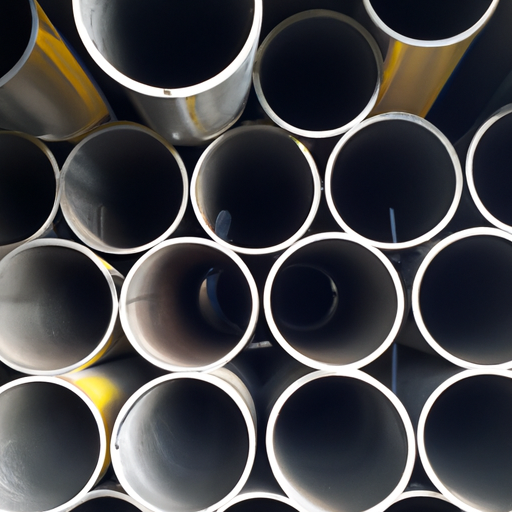 Moreover, geopolitical factors and market demand for oil can also be intertwined with technological advancements. For instance, as countries invest in modernizing their oil extraction capabilities, the demand for advanced casing solutions may rise, leading to increased prices. Conversely, if technological advancements lead to a significant increase in oil supply, the market may experience downward pressure on prices. Thus, the interplay between technological progress and external market forces creates a complex environment where oil casing Prices are subject to unpredictable fluctuations.
In conclusion, technological advancements are a crucial determinant of price fluctuations in the oil casing market. From the development of new materials and manufacturing processes to the integration of automation and digital technologies, these innovations not only enhance operational efficiency but also influence market dynamics. As the industry continues to evolve, the relationship between technology and pricing will remain a vital area of focus for stakeholders in the oil and gas sector. Understanding these unpredictable factors is essential for navigating the complexities of the market and making informed decisions.