Visual Inspection Techniques
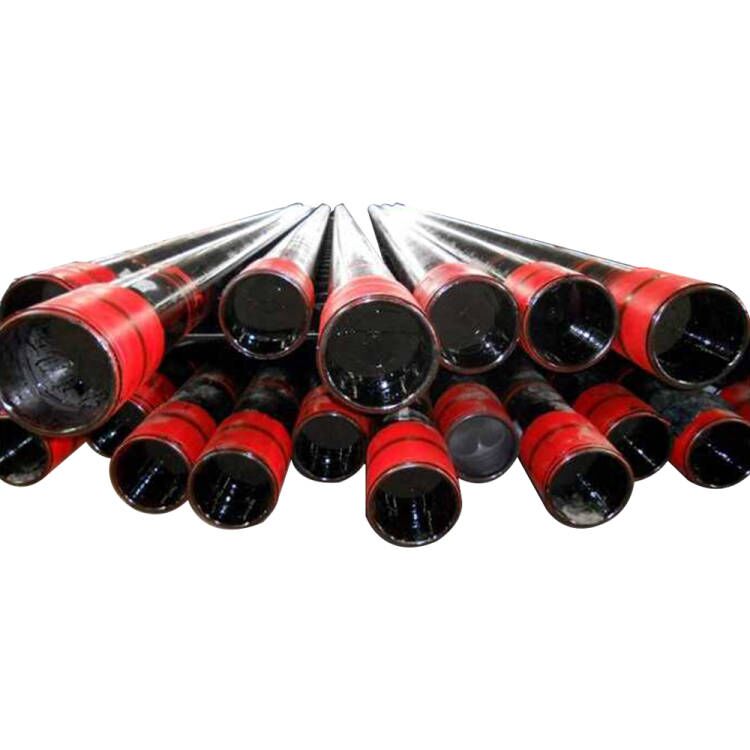
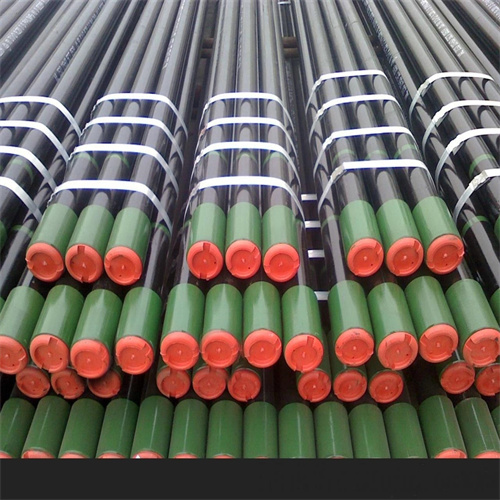
Visual inspection techniques play a crucial role in verifying the manufacturing quality of Oil Casing, which is essential for ensuring the integrity and reliability of Oil and Gas operations. The process begins with a thorough examination of the casing’s surface, where inspectors look for any visible defects such as cracks, dents, or corrosion. These imperfections can compromise the casing’s structural integrity and lead to potential failures during operation. By employing a systematic approach, inspectors can identify these issues early in the manufacturing process, allowing for timely corrective actions.
One effective method of visual inspection is the use of magnifying tools, such as magnifying glasses or borescopes, which enable inspectors to closely examine small areas of the casing that may not be visible to the naked eye. This detailed examination is particularly important in areas where stress concentrations are likely to occur, such as weld joints or Threaded Connections. Additionally, inspectors often utilize high-intensity lighting to enhance visibility, ensuring that even the most subtle defects are detected. The combination of proper lighting and magnification significantly increases the likelihood of identifying potential quality issues.
In addition to surface inspections, inspectors also assess the overall dimensions and tolerances of the oil casing. This involves measuring the casing’s Diameter, Wall thickness, and Length to ensure they conform to the specified standards. Deviations from these specifications can lead to improper fit during installation, which may result in leaks or other operational failures. By employing calipers, micrometers, and other precision measuring tools, inspectors can accurately verify that the casing meets the required dimensions.
Another important aspect of visual inspection is the evaluation of the casing’s coating and finishing. The protective coatings applied to oil casing are designed to prevent corrosion and enhance durability. Inspectors must ensure that these coatings are uniformly applied and free from defects such as bubbles, peeling, or discoloration. Any inconsistencies in the coating can expose the casing to environmental factors that may lead to premature degradation. Therefore, a careful assessment of the coating’s quality is essential in determining the overall reliability of the oil casing.
Furthermore, inspectors often review the manufacturing documentation and certifications associated with the oil casing. This includes examining quality control records, Material test reports, and compliance certificates to ensure that the casing has been produced according to industry standards and regulations. By cross-referencing the physical inspection findings with the documentation, inspectors can gain a comprehensive understanding of the casing’s quality and traceability throughout the manufacturing process.
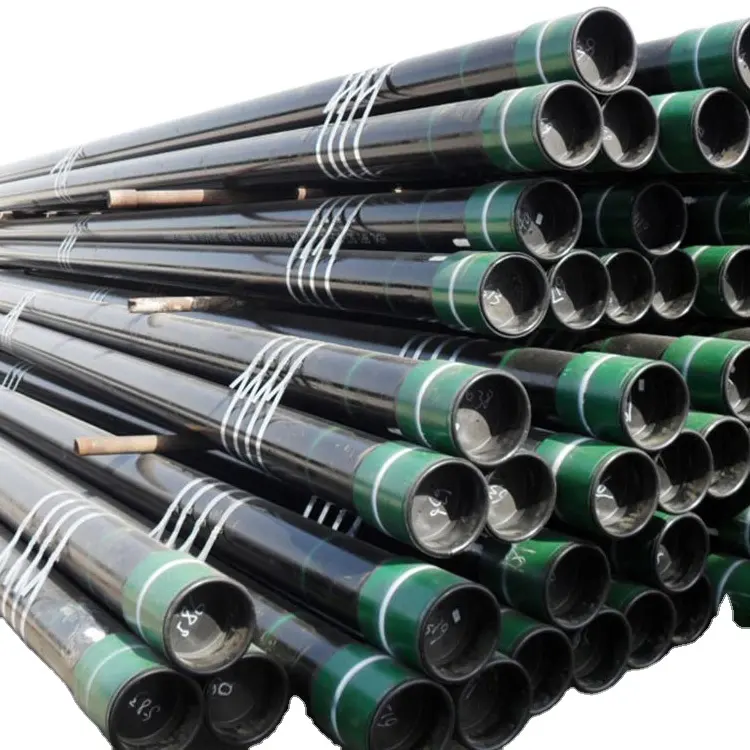
In conclusion, visual inspection techniques are vital for verifying the manufacturing quality of oil casing. Through meticulous surface examinations, dimensional checks, coating assessments, and documentation reviews, inspectors can identify potential defects and ensure that the casing meets the necessary standards for safe and efficient operation. By implementing these techniques, the oil and gas industry can enhance the reliability of its operations, ultimately contributing to safer and more efficient resource extraction. The importance of these inspections cannot be overstated, as they serve as a critical line of defense against potential failures that could have significant operational and environmental consequences.
Material Certification and Testing
Verifying the manufacturing quality of oil casing is a critical process that ensures the integrity and reliability of the materials used in oil and gas extraction. One of the primary aspects of this verification process is material certification and testing. This involves a series of systematic evaluations designed to confirm that the materials meet the required specifications and standards. To begin with, it is essential to understand that material certification is a formal process in which Manufacturers provide documentation that attests to the quality and properties of the materials used in production. This documentation typically includes details such as the chemical composition, mechanical properties, and any relevant industry standards that the materials comply with.
In addition to certification, testing plays a vital role in verifying the quality of Oil casing materials. Various testing methods are employed to assess different properties of the materials. For instance, tensile testing is commonly used to determine the strength and ductility of the casing. This test involves applying a controlled force to a sample until it deforms or breaks, allowing engineers to evaluate how the material will perform under stress. Furthermore, impact testing is conducted to assess the material’s toughness, which is crucial for ensuring that the casing can withstand sudden forces or impacts during installation and operation.
Casing TubingMoreover, Non-destructive testing (NDT) methods are increasingly utilized in the verification process. These techniques allow for the examination of materials without causing any damage, making them particularly valuable in the oil and gas industry. Common NDT methods include ultrasonic testing, radiographic testing, and magnetic particle testing. Each of these methods provides unique insights into the integrity of the material, such as detecting internal flaws, measuring wall thickness, and identifying surface defects. By employing a combination of these testing methods, manufacturers can ensure that the oil casing meets the stringent quality requirements necessary for safe and efficient operation.
In addition to the aforementioned testing methods, it is also important to consider the role of third-party inspections in the verification process. Independent organizations often conduct these inspections to provide an unbiased assessment of the manufacturing quality. These third-party inspectors review the material certification documents, observe the testing processes, and verify that the manufacturing practices adhere to industry standards. This additional layer of scrutiny helps to build confidence in the quality of the oil casing and ensures that it is fit for purpose.
Furthermore, traceability is another critical aspect of material certification and testing. Each batch of oil casing should be traceable back to its source, including the raw materials used in its production. This traceability allows for better quality control and accountability throughout the manufacturing process. In the event of a failure or issue, being able to trace the material back to its origin can help identify the root cause and prevent future occurrences.
In conclusion, verifying the manufacturing quality of oil casing through material certification and testing is an essential process that encompasses various methods and practices. By ensuring that materials are certified, subjected to rigorous testing, and independently inspected, manufacturers can provide assurance of their quality and reliability. This comprehensive approach not only enhances the safety and efficiency of oil and gas operations but also contributes to the overall integrity of the industry. As the demand for energy contiNues to grow, maintaining high standards in material quality will remain a top priority for manufacturers and operators alike.
Compliance with Industry Standards
When it comes to verifying the manufacturing quality of oil casing, compliance with industry standards is a critical aspect that cannot be overlooked. The oil and gas industry is governed by a myriad of regulations and standards designed to ensure safety, reliability, and performance. These standards are established by various organizations, including the American Petroleum Institute ( API), the International Organization for Standardization (ISO), and other relevant bodies. Adhering to these standards not only guarantees that the oil casing meets the necessary technical specifications but also assures stakeholders of its integrity and durability in demanding environments.
To begin with, it is essential to understand the specific standards applicable to oil casing. The API, for instance, has developed a series of specifications that outline the requirements for different types of casing, including their material properties, manufacturing processes, and testing protocols. By familiarizing oneself with these specifications, one can better assess whether a manufacturer is compliant. Furthermore, manufacturers often seek certification from these organizations, which serves as a testament to their commitment to quality. Therefore, verifying whether a manufacturer holds the relevant certifications can provide a strong indication of their adherence to industry standards.
In addition to certification, it is crucial to evaluate the manufacturer’s quality control processes. A robust quality management system is indicative of a manufacturer\\u2019s dedication to producing high-quality products. This system should encompass various stages of production, from raw material selection to final inspection. Manufacturers that implement rigorous quality control measures, such as non-destructive testing and dimensional inspections, are more likely to produce oil casing that meets or exceeds industry standards. Consequently, reviewing the manufacturer’s quality assurance documentation can offer valuable insights into their operational practices and the reliability of their products.
Moreover, it is beneficial to consider the manufacturer’s track record and reputation within the industry. Engaging with industry peers and seeking feedback on specific manufacturers can provide a wealth of information regarding their performance and reliability. Manufacturers with a long-standing history of compliance with industry standards are often more trusted, as they have demonstrated their ability to consistently deliver quality products over time. Additionally, examining case studies or testimonials from previous clients can further illuminate the manufacturer’s capabilities and adherence to standards.
Another important aspect to consider is the traceability of materials used in the manufacturing process. High-quality oil casing should be produced from materials that are sourced from reputable Suppliers and are traceable throughout the supply chain. This traceability ensures that the materials meet the required specifications and have undergone the necessary testing. Manufacturers that maintain detailed records of their material sourcing and testing processes are more likely to produce oil casing that complies with industry standards.
Finally, it is essential to stay informed about any updates or changes to industry standards. The oil and gas sector is continually evolving, and standards may be revised to reflect new technologies or safety practices. By keeping abreast of these changes, stakeholders can ensure that they are evaluating manufacturers based on the most current criteria. In conclusion, verifying the manufacturing quality of oil casing through compliance with industry standards involves a multifaceted approach that includes assessing certifications, quality control processes, manufacturer reputation, material traceability, and staying informed about industry developments. By taking these steps, one can confidently select oil casing that meets the rigorous demands of the industry, ultimately contributing to safer and more efficient operations.