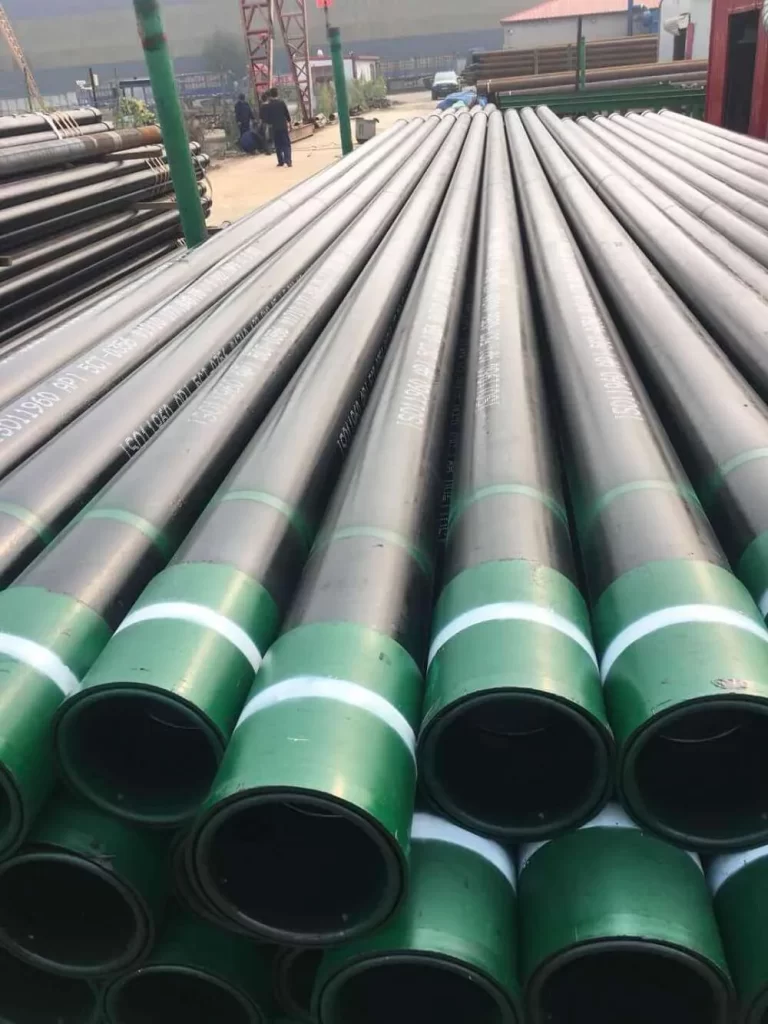
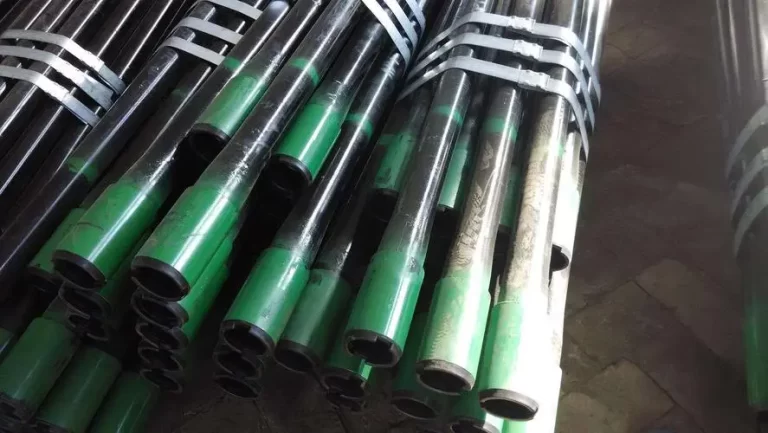
Excellent Characteristics of Oil Casing Materials
The selection of oil casing materials is a critical aspect of the Oil and Gas industry, as these materials must withstand extreme conditions while ensuring the integrity of the wellbore. One of the most important characteristics of oil casing materials is their strength. high tensile strength is essential to support the Weight of the casing itself and to resist the pressures encountered during drilling and production. Steel, particularly Carbon steel and alloy steel, is commonly used due to its superior strength-to-weight ratio, making it an ideal choice for deep wells where the pressure is significantly higher.
In addition to strength, Corrosion resistance is another vital characteristic of oil casing materials. The presence of corrosive substances, such as hydrogen sulfide and carbon dioxide, can lead to significant degradation of the casing over time. Therefore, materials that exhibit excellent corrosion resistance, such as Stainless Steel or specially coated carbon steel, are often preferred. These materials not only prolong the lifespan of the casing but also reduce the risk of costly failures and environmental hazards associated with leaks.
Moreover, the thermal stability of casing materials is crucial, especially in environments where temperature fluctuations are common. Materials must be able to maintain their structural integrity under varying thermal conditions, which can affect the performance of the casing. For this reason, materials that can withstand high temperatures without losing their mechanical properties are essential. This characteristic is particularly important in geothermal wells or in regions where the temperature of the surrounding rock can be significantly elevated.
Another characteristic that cannot be overlooked is the ease of fabrication and installation. The cHosen materials should be amenable to various manufacturing processes, allowing for efficient production of casing components. Additionally, the materials should be lightweight enough to facilitate handling and installation, yet robust enough to ensure safety and reliability. This balance is crucial, as it impacts not only the cost of the casing but also the overall efficiency of the drilling operation.
Furthermore, the cost-effectiveness of the materials is a significant consideration. While high-performance materials may offer superior characteristics, they must also be economically viable. The industry often seeks a balance between performance and cost, leading to the use of materials that provide adequate strength and resistance properties without incurring excessive expenses. This economic aspect is particularly relevant in a market where profit margins can be tight, and operational efficiency is paramount.

In light of these characteristics, the choice of oil casing materials becomes a multifaceted decision that requires careful consideration of the specific conditions of the well. Factors such as the depth of the well, the expected pressures and temperatures, and the chemical composition of the fluids encountered all play a role in determining the most suitable material. By thoroughly evaluating these factors, operators can select casing materials that not only meet the technical requirements but also align with economic constraints.
Ultimately, the excellent characteristics of oil casing materials\\u2014strength, corrosion resistance, thermal stability, ease of fabrication, and cost-effectiveness\\u2014are essential for ensuring the safety and efficiency of oil and gas operations. As the industry contiNues to evolve, advancements in material science may lead to the development of even more innovative solutions, further enhancing the performance and reliability of oil casing systems. This ongoing pursuit of excellence in material selection is vital for the sustainable development of energy resources, ensuring that the industry can meet the growing global demand while minimizing environmental impact.
Factors Influencing the Choice of Oil Casing Materials
The selection of oil casing materials is a critical decision in the oil and gas industry, influenced by a variety of factors that ensure the integrity and longevity of wells. One of the primary considerations is the mechanical properties of the materials, which must withstand the extreme conditions encountered during drilling and production. High strength, durability, and resistance to deformation are essential characteristics that casing materials must possess to endure the stresses imposed by the surrounding geological formations and the internal pressures of the wellbore. Consequently, materials such as carbon steel and alloy steel are often favored due to their superior mechanical properties, which provide the necessary strength and resilience.
In addition to mechanical properties, the environmental conditions surrounding the well also play a significant role in material selection. The presence of corrosive substances, such as hydrogen sulfide or carbon dioxide, can severely compromise the integrity of casing materials. Therefore, the choice of oil casing must take into account the chemical compatibility of the material with the fluids it will encounter. For instance, materials that are resistant to corrosion, such as stainless steel or specialized alloys, are often employed in environments where corrosive agents are prevalent. This consideration not only enhances the lifespan of the casing but also minimizes the risk of costly failures and environmental hazards.
Another important factor influencing the choice of oil casing materials is the temperature and pressure conditions within the well. High temperatures can lead to thermal expansion and changes in material properties, while elevated pressures can increase the risk of failure. As a result, materials must be selected based on their ability to perform under specific temperature and pressure ranges. The use of high-performance alloys that maintain their strength and integrity at elevated temperatures is often necessary in deep wells or high-pressure environments. This careful consideration of thermal and pressure conditions ensures that the casing can withstand the operational demands placed upon it.
Furthermore, the economic aspect cannot be overlooked when selecting oil casing materials. The cost of materials, along with the associated installation and Maintenance expenses, plays a significant role in the decision-making process. While high-performance materials may offer superior properties, their cost must be justified by the expected benefits in terms of reduced maintenance and increased operational efficiency. Therefore, a balance must be struck between performance and cost, ensuring that the chosen materials provide the best value for the investment.
Oil Tube PriceAdditionally, regulatory and industry standards also influence the choice of oil casing materials. Compliance with safety and environmental regulations is paramount, and materials must meet specific criteria to ensure safe operations. This often involves adhering to standards set by organizations such as the American Petroleum Institute ( API), which provides guidelines for the selection and use of casing materials. By following these standards, operators can ensure that their casing materials are suitable for the intended application and contribute to the overall safety and efficiency of the drilling process.
In conclusion, the choice of oil casing materials is a multifaceted decision influenced by mechanical properties, environmental conditions, temperature and pressure considerations, economic factors, and regulatory standards. Each of these elements plays a crucial role in determining the most suitable materials for a given application, ultimately impacting the success and safety of oil and gas operations. By carefully evaluating these factors, industry professionals can make informed decisions that enhance the performance and reliability of oil casing systems.