Overview of Oil Casing Selection
The selection of oil casing is a critical aspect of the drilling process, significantly influencing the overall success and safety of oil extraction operations. Understanding the various styles of oil casing selection is essential for engineers and decision-Makers in the industry. Oil casing serves multiple purposes, including providing structural integrity to the wellbore, preventing the collapse of the surrounding rock, and isolating different pressure zones within the formation. As such, the choice of casing must be approached with careful consideration of several factors, including the geological conditions, the type of well being drilled, and the specific requirements of the extraction process.
One of the primary styles of oil casing is the surface casing, which is typically the first layer installed in a well. This casing is designed to protect freshwater aquifers and provide a stable foundation for subsequent drilling operations. The selection of surface casing involves evaluating the depth of the freshwater zone, the expected pressure conditions, and the potential for environmental impact. By ensuring that the surface casing is appropriately sized and installed, operators can mitigate risks associated with groundwater contamination and wellbore instability.
Following the installation of the surface casing, the next layer is often the intermediate casing. This casing is crucial for managing the pressures encountered at greater depths and for isolating different geological formations. The selection of intermediate casing requires a thorough understanding of the formation’s characteristics, including its mechanical properties and the presence of any potential hazards, such as Gas pockets or unstable rock layers. Engineers must also consider the anticipated drilling techniques and the potential for wellbore collapse, which can lead to costly delays and safety concerns.
The production casing is the final layer installed in the well and is specifically designed to facilitate the extraction of Oil and Gas. The selection of production casing is influenced by the type of reservoir being targeted, the expected production rates, and the specific completion techniques to be employed. For instance, in unconventional reservoirs, such as shale formations, operators may opt for a smaller Diameter casing to enhance the efficiency of hydraulic fracturing operations. This decision underscores the importance of aligning casing selection with the overall production strategy to optimize recovery rates and minimize costs.
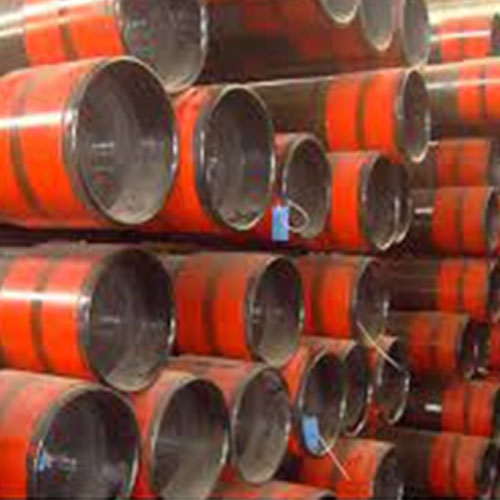
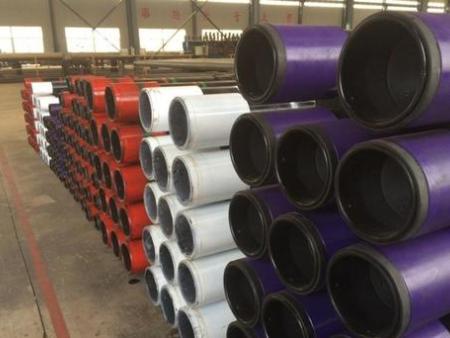
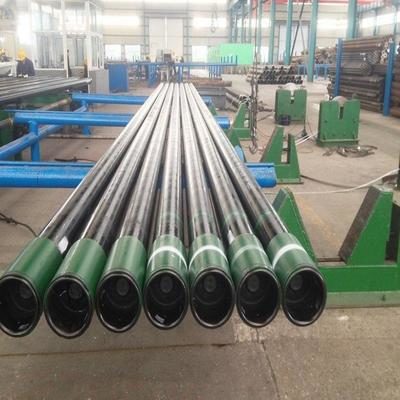
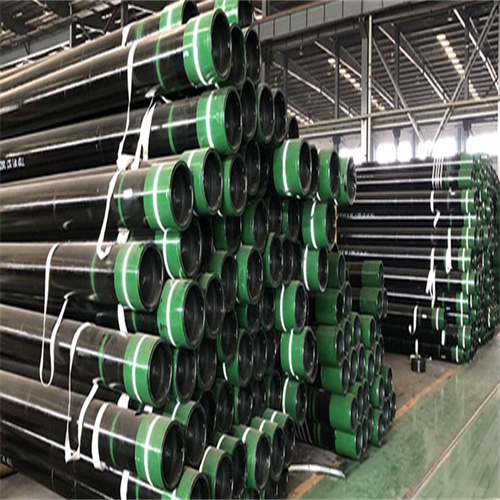
API 5ct J55 CASING Best chinese MakersIn addition to these primary casing types, there are also specialized casing styles, such as liner casing and expandable casing, which offer unique advantages in specific drilling scenarios. Liner casing, for example, is often used in complex well designs where additional support is needed without the full installation of a new Casing string. Expandable casing technology allows for the installation of casing that can be expanded to fit the wellbore, providing enhanced stability and adaptability in challenging geological conditions.
Ultimately, the awareness of different styles of oil casing selection is paramount for professionals in the oil and gas industry. A comprehensive understanding of the various casing types, their applications, and the factors influencing their selection can lead to more informed decision-making and improved operational outcomes. As the industry contiNues to evolve, staying abreast of advancements in casing technology and best practices will be essential for ensuring the safety, efficiency, and sustainability of oil extraction operations. By fostering a culture of awareness and education around oil casing selection, stakeholders can better navigate the complexities of the drilling process and contribute to the long-term success of their projects.