Importance Of Manifold functions In Oil Casing Examination
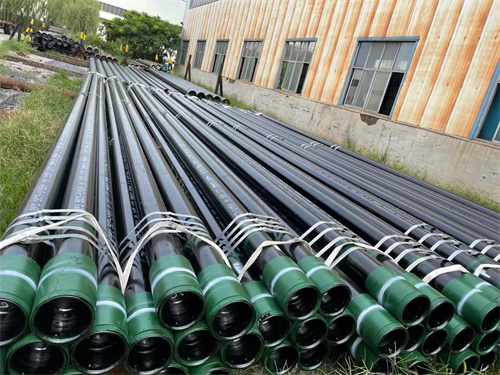
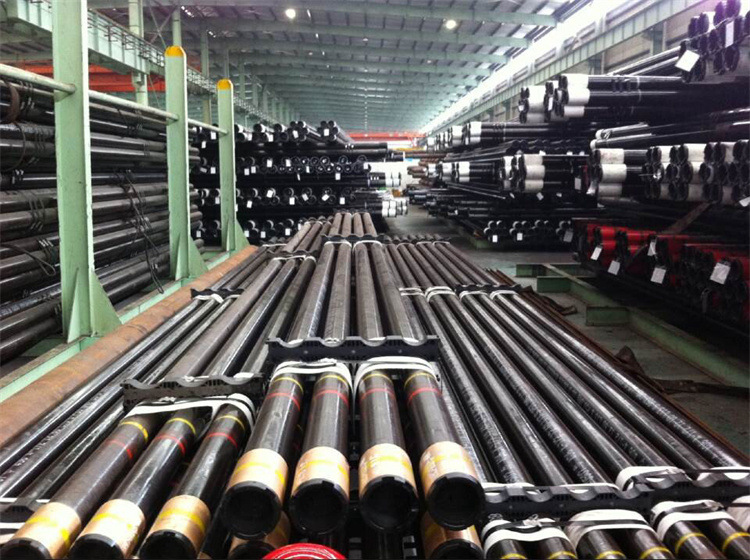
In the realm of Oil and Gas exploration, the integrity of oil casing is paramount to ensuring safe and efficient operations. The manifold functions in oil casing examination play a critical role in maintaining this integrity, as they encompass a range of processes and technologies designed to assess the condition of casing Materials and their ability to withstand the harsh environments encountered during drilling and production. Understanding these manifold functions is essential for industry professionals, as they not only contribute to the longevity of the casing but also to the overall safety and productivity of oil extraction activities.
One of the primary functions of manifold systems in oil casing examination is to facilitate the monitoring of pressure and flow within the casing. By employing advanced sensors and data acquisition systems, operators can continuously track the performance of the casing under various operational conditions. This real-time monitoring allows for the early detection of potential issues, such as leaks or structural weaknesses, which could lead to catastrophic failures if left unaddressed. Consequently, the ability to identify these problems promptly is crucial for mitigating risks and ensuring the safety of personnel and the environment.
In addition to monitoring, manifold functions also encompass the evaluation of the physical and chemical properties of the casing materials. Techniques such as ultrasonic testing and magnetic particle inspection are commonly employed to assess the integrity of the casing. These Non-destructive testing methods enable operators to detect flaws or corrosion that may compromise the casing’s structural integrity. By understanding the condition of the casing, operators can make informed decisions regarding Maintenance, Repairs, or replacements, thereby extending the lifespan of the casing and optimizing operational efficiency.
Moreover, manifold functions in oil casing examination are integral to regulatory compliance. The oil and gas industry is subject to stringent regulations aimed at protecting the environment and ensuring the safety of operations. Regular examination of oil casing through manifold functions helps operators demonstrate compliance with these regulations, thereby avoiding potential fines and legal repercussions. Furthermore, maintaining compliance fosters trust with stakeholders, including investors, regulatory bodies, and the communities in which they operate, ultimately contributing to the industry’s reputation and sustainability.
Another significant aspect of manifold functions is their role in data collection and analysis. The information gathered during oil casing examinations can be invaluable for predictive maintenance strategies. By analyzing historical data and identifying trends, operators can anticipate potential failures and implement proactive measures to address them before they escalate into more significant issues. This data-driven approach not only enhances the reliability of operations but also reduces downtime and associated costs, leading to improved overall productivity.
In conclusion, the manifold functions in oil casing examination are essential for ensuring the integrity, safety, and efficiency of oil and gas operations. Through continuous monitoring, evaluation of material properties, regulatory compliance, and data analysis, these functions provide a comprehensive framework for maintaining the health of oil casing systems. As the industry contiNues to evolve and face new challenges, the importance of these manifold functions will only grow, underscoring the need for ongoing investment in technology and expertise to safeguard the future of oil and gas exploration. By prioritizing the examination of oil casing, operators can not only protect their assets but also contribute to a more sustainable and responsible energy sector.
Techniques For Identifying Manifold Functions In Oil Casing Analysis
In the realm of oil and gas exploration, the integrity of oil casing is paramount to ensuring safe and efficient operations. The examination of oil casing involves a variety of techniques aimed at identifying manifold functions that contribute to the overall performance and reliability of the casing system. These manifold functions encompass a range of roles, including structural support, pressure containment, and fluid flow management. To effectively analyze these functions, it is essential to employ a systematic approach that integrates various inspection methods and technologies.
One of the primary techniques utilized in oil casing examination is visual inspection, which serves as the first line of defense in identifying potential issues. Trained personnel conduct thorough visual assessments to detect signs of corrosion, wear, or mechanical damage. This initial evaluation is crucial, as it helps to establish a baseline for further analysis. Following visual inspection, non-destructive testing (NDT) methods are employed to gain deeper insights into the casing’s integrity without compromising its structural integrity. Techniques such as ultrasonic testing, magnetic particle inspection, and radiographic testing are commonly used to identify subsurface defects that may not be visible to the naked eye.
Ultrasonic testing, in particular, has gained prominence due to its ability to provide precise measurements of Wall thickness and detect internal flaws. By sending high-frequency sound waves through the casing material, technicians can assess the material’s properties and identify any anomalies that may indicate a loss of integrity. This method is especially valuable in older wells where corrosion may have occurred over time, as it allows for targeted assessments that can inform maintenance and remediation strategies.
In addition to NDT methods, advanced technologies such as digital imaging and 3D modeling have revolutionized the way manifold functions in oil casing are analyzed. These technologies enable engineers to create detailed visual representations of the casing structure, facilitating a comprehensive understanding of its condition. By integrating data from various inspection techniques, engineers can develop a holistic view of the casing’s performance, identifying areas that require attention and prioritizing maintenance efforts accordingly.
oil casing Best chinese SuppliersMoreover, the use of data analytics plays a significant role in enhancing the examination process. By collecting and analyzing data from multiple inspections over time, operators can identify trends and patterns that may indicate emerging issues. Predictive analytics can be employed to forecast potential failures, allowing for proactive maintenance and reducing the risk of costly downtime. This data-driven approach not only improves the reliability of oil casing but also contributes to overall operational efficiency.
Furthermore, collaboration among multidisciplinary teams is essential in the examination of oil casing. Engineers, geologists, and safety professionals must work together to ensure that all aspects of the casing’s performance are considered. This collaborative effort fosters a comprehensive understanding of the manifold functions at play, enabling teams to develop effective strategies for monitoring and maintaining casing integrity.
 In conclusion, the examination of oil casing is a multifaceted process that requires the integration of various techniques and technologies to identify manifold functions effectively. From visual inspections to advanced NDT methods and data analytics, each approach contributes to a deeper understanding of the casing’s performance. By prioritizing collaboration and leveraging innovative technologies, operators can enhance the reliability and safety of oil casing systems, ultimately supporting the sustainability of oil and gas operations. As the industry continues to evolve, the importance of thorough casing examination will remain a critical component of successful exploration and production efforts.