Material Selection Criteria
When tasked with selecting the appropriate anticorrosion material for Oil Casing applications, it is essential to consider several factors that greatly influence the performance and longevity of the material in specific environments. Primarily, understanding the environmental conditions where the casing will operate is critical. Factors such as temperature, moisture level, and exposure to various chemical agents play a significant role in determining the degradation rate of materials. This understanding necessitates a thorough evaluation of the environmental stresses the oil casing will encounter, as it directly impacts the selection process.
Moreover, the mechanical properties of the anticorrosion materials must also be examined. These properties include tensile strength, elongation, and hardness, which together provide insight into how well the material can withstand the physical demands of oil extraction processes. Ideally, the selected material should possess a balance between strength and flexibility to minimize the risk of failure under dynamic loads typically experienced in drilling operations. In addition to mechanical properties, the Weight of the materials is another crucial criterion. Lightweight materials can facilitate easier handling and installation, thus reducing labor costs and improving operational efficiency. Conversely, heavier materials may offer enhanced protection against certain forms of mechanical wear.
In conjunction with these factors, it is necessary to assess the compatibility of the anticorrosion material with the oil and any other fluids present in the system. Corrosive substances, such as hydrogen sulfide or carbon dioxide, can accelerate material degradation if not carefully considered. Therefore, a thorough analysis of the chemical composition of the oil and surrounding fluids should be performed to ensure that the selected anticorrosion material can withstand potential reactive interactions. Furthermore, potential build-up of corrosive agents like scale or biofilm should be identified, as they could contribute to localized corrosion, leading to premature failure.
Alongside environmental and chemical considerations, cost-effectiveness is a critical factor in material selection. An appropriate anticorrosion solution must strike a balance between initial investment and long-term operational costs. While some high-performance materials may offer superior protection, their expense may outweigh the potential benefits for certain applications. Thus, conducting a comprehensive cost-benefit analysis, which accounts for the expected lifespan of the material and the frequency of required Maintenance or replacement, becomes essential in the decision-making process.
In addition to these criteria, one must also consider the availability and ease of fabrication of the anticorrosion materials. Ensuring a reliable supply chain for the selected material can prevent delays in project timelines and unforeseen costs associated with sourcing alternatives. Moreover, the ease of fabrication affects not only the overall installation time but also the quality of the joints and necessary fittings, which are critical for maintaining the integrity of the entire oil casing system.
Ultimately, the selection of anticorrosion materials for oil casing applications demands a multifaceted approach that holistically integrates environmental conditions, mechanical properties, chemical compatibility, cost considerations, and fabrication challenges. By systematically evaluating these criteria, stakeholders can make informed decisions that not only optimize performance but also enhance operational longevity. In conclusion, a meticulous approach to material selection will significantly contribute to the efficacy and reliability of oil extraction operations, ensuring that both economic and operational goals are met.
Environmental Considerations
When determining the appropriate anticorrosion material for oil casing, it is essential to consider various environmental factors that can significantly influence the performance and longevity of the material. The specific application scene plays a crucial role in this decision-making process, as different environments present unique challenges and requirements. For instance, the presence of corrosive agents such as hydrogen sulfide, carbon dioxide, and chlorides can accelerate the degradation of casing materials, necessitating a thorough assessment of the environmental conditions before selecting an anticorrosion solution.
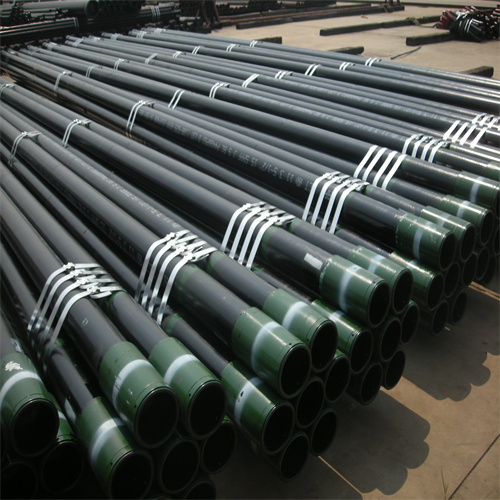
API 5ct N80-1 CASING china Best CompanyOne of the primary environmental considerations is the temperature range in which the casing will operate. Elevated temperatures can enhance the rate of corrosion, particularly in the presence of aggressive chemicals. Therefore, it is vital to evaluate the thermal conditions of the application site, as well as any potential fluctuations that may occur during operation. This assessment will help in selecting materials that can withstand the specific thermal stresses while maintaining their anticorrosive properties.
In addition to temperature, the pressure conditions within the oil casing must also be taken into account. High-pressure environments can exacerbate the effects of corrosion, especially when combined with the presence of corrosive substances. Understanding the pressure dynamics of the application scene allows for a more informed selection of materials that can endure such conditions without compromising their integrity. Furthermore, the interaction between pressure and temperature can create complex scenarios that require careful analysis to ensure the cHosen anticorrosion material is suitable for the specific application.
Another critical factor to consider is the presence of moisture and humidity in the environment. Water is a well-known catalyst for corrosion, and its presence can significantly impact the performance of casing materials. In environments where moisture is prevalent, it is essential to select materials that offer superior resistance to corrosion caused by water exposure. This may involve choosing coatings or alloys specifically designed to mitigate the effects of moisture, thereby extending the lifespan of the casing.
Moreover, the chemical composition of the surrounding environment must be thoroughly analyzed. Different chemicals can react with casing materials in various ways, leading to accelerated corrosion or degradation. For example, the presence of organic acids or salts can pose significant risks to the integrity of the casing. Conducting a comprehensive chemical analysis of the environment will provide valuable insights into the potential risks and help in selecting the most appropriate anticorrosion material that can withstand these challenges.
Additionally, the potential for microbial-induced corrosion (MIC) should not be overlooked. Certain microorganisms can thrive in Oil and Gas environments, leading to localized corrosion that can compromise the structural integrity of the casing. Understanding the biological factors at play in the specific application scene is crucial for selecting materials that can resist MIC, thereby ensuring the long-term reliability of the casing.
In conclusion, making a fitting determination of oil casing anticorrosion material requires a thorough understanding of the environmental considerations specific to the application scene. Factors such as temperature, pressure, moisture, chemical composition, and the potential for microbial activity all play a significant role in influencing the selection process. By carefully evaluating these elements, one can ensure that the chosen anticorrosion material will provide optimal protection and performance, ultimately contributing to the success and sustainability of oil and gas operations.
Testing and Validation Methods
In the complex realm of oil casing anticorrosion materials, selecting the most suitable option for specific applications necessitates rigorous testing and validation methods. To ensure that these materials can withstand the harsh conditions encountered in oil extraction processes, a systematic approach is essential. Initially, one must consider the nature of the environment in which the casing will be deployed. Factors such as temperature, pressure, and the presence of corrosive agents are crucial in determining the appropriate anticorrosion material. Therefore, a thorough understanding of the operational environment acts as a foundation for the selection process.

Once the environmental parameters have been identified, laboratory tests become indispensable. These tests, often preliminary, serve to evaluate the fundamental properties of potential materials. For instance, accelerated corrosion tests can simulate long-term exposure to hostile conditions over a short period, thus enabling a quick comparison of material performance. In many cases, the results of these tests provide critical insights into the corrosion rates of different materials, thereby guiding decisions regarding their applicability in real-world scenarios.
In tandem with laboratory evaluations, field trials are equally vital. These trials involve deploying selected anticorrosion materials in actual operational setups, allowing for real-time monitoring of their performance. The results from field trials are invaluable as they reveal how these materials respond to dynamic changes in the environment, including fluctuations in temperature and pressure as well as the presence of various corrosive substances. By integrating data from both laboratory tests and field trials, stakeholders can make well-informed decisions regarding which materials are most suitable for specific applications.
Moreover, the mechanical properties of the anticorrosion materials must also be validated. This aspect cannot be overlooked, given that materials may still corrode despite having satisFactory anticorrosive properties if they lack adequate mechanical strength or stability. Testing for tensile strength, impact resistance, and fatigue limits contributes to a comprehensive understanding of material performance. This multifaceted approach ensures that not only are the materials resistant to corrosion, but they can also endure the physical stresses associated with oil extraction processes.
Additionally, it is crucial to consider the long-term efficacy of the anticorrosion materials. Corrosion is often an incremental process, which makes it imperative to assess the longevity of protective coatings and materials in varying operational conditions. Established methods such as electrochemical impedance spectroscopy (EIS) further enhance understanding by providing detailed information about the electrochemical behavior of protective films over time. By leveraging these advanced testing techniques, one can ascertain the long-term reliability of specific anticorrosion materials tailored to given application scenarios.
Finally, it is beneficial to keep abreast of emerging technologies in both anticorrosion materials and testing methodologies. innovations such as nanotechnology and smart coatings open new aveNues for enhancing the protective qualities of materials. Thus, a commitment to ongoing research and development ensures that the most current and effective solutions are available for mitigating corrosion in oil casing applications. In conclusion, the rigorous evaluation of anticorrosion materials through a combination of laboratory tests, field trials, and the use of advanced analytical methods establishes a robust framework for making informed decisions tailored to specific operational environments, ultimately leading to increased efficiency and extended longevity of oil casing systems.