Typical Range of Sizes for Oil Well Casing
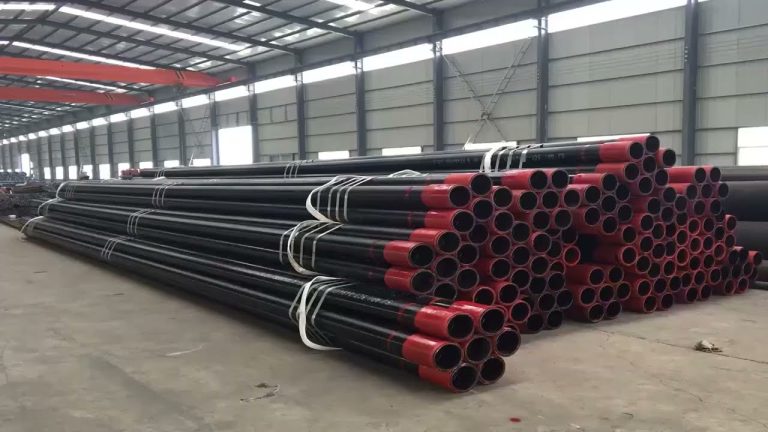
Oil Well casing plays a critical role in the drilling and extraction of Oil and Gas resources worldwide. The dimensions of casing are carefully selected to ensure the integrity and efficiency of the well, accommodating the diverse geological and operational conditions encountered in the oil and gas industry.
Typically, oil well casing sizes are standardized within a range that allows for flexibility in design while maintaining structural integrity. These sizes are determined based on the Diameter of the wellbore and the specific requirements of the drilling operation. The range of sizes starts from relatively small diameters, commonly around 4.5 inches, and extends to much larger sizes, reaching up to 30 inches or more in diameter for certain applications.
In the initial stages of drilling, smaller diameter casings are used to line the upper portions of the wellbore. This casing provides essential support and prevents the collapse of the well walls, which could occur due to the pressure and movement of surrounding geological formations. Typical sizes for these upper casings range from 4.5 inches to 13.375 inches in diameter, depending on factors such as the depth of the well and the geological characteristics of the region.
As drilling progresses deeper into the earth, larger diameter casings become necessary to withstand higher pressures and maintain the integrity of the well. Intermediate casings, which are installed at intermediate depths to isolate specific zones and provide additional support, often range in size from 7 inches to 20 inches in diameter. These casings are crucial for preventing fluid migration between different geological formations and ensuring the stability of the well structure.
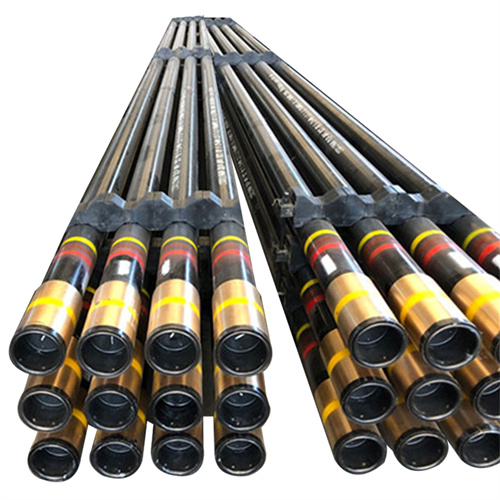
The final casing, known as the production casing, is the largest and deepest casing installed in the well. This casing is designed to accommodate the production Tubing and wellhead equipment and to provide a secure conduit for the extraction of oil and gas from the reservoir. Production casing sizes typically range from 16 inches to 30 inches or more in diameter, depending on the production requirements and the characteristics of the reservoir.
Transitional phrases such as “in the initial stages,” “as drilling progresses,” and “the final casing” help guide the reader through the progression of casing sizes and their respective roles in the drilling process. These phrases create a cohesive narrative that explains how casing sizes are selected and utilized based on the depth, pressure, and operational demands of oil and gas wells.
In conclusion, the range of sizes for oil well casing is carefully designed to meet the diverse challenges of drilling operations and ensure the safe and efficient extraction of oil and gas resources. By understanding the typical sizes and their respective roles, stakeholders in the oil and gas industry can make informed decisions that optimize well performance and longevity in varying geological conditions.
Standard Specifications for Oil Well Casing Sizes
In the realm of oil exploration and extraction, the dimensions and specifications of oil well casing sizes are crucial determinants of operational efficiency and safety. These specifications, meticulously defined and standardized, ensure that oil wells are constructed with precision to withstand the rigors of drilling, production, and subsequent Maintenance.
Oil well casing sizes are defined based on specific standards that take into account the depth, geological conditions, and anticipated pressures within the wellbore. The range of sizes varies significantly to accommodate diverse geological formations and operational requirements. Typically, these sizes are categorized into standard dimensions that are universally recognized within the industry.
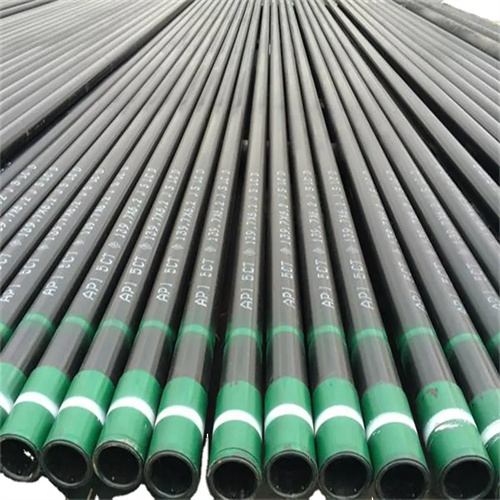
The American Petroleum Institute ( API) sets forth comprehensive standards for oil well casing sizes. These standards outline the permissible range of outer diameters, Wall thicknesses, and nominal Weights of the Casing Pipes. For instance, casing sizes can start from relatively small diameters suitable for shallow wells and expand to larger diameters necessary for deep drilling operations.
The primary objective behind specifying such a range of sizes lies in ensuring the structural integrity and functionality of the casing throughout the well’s lifecycle. As drilling progresses deeper into the earth, the external pressures and geological complexities increase, necessitating larger and sturdier casings to maintain well stability and integrity.
Moreover, the dimensions of oil well casings are designed not only to withstand the pressure differentials but also to facilitate the efficient extraction of oil or natural gas. Larger casings provide ample space for inserting production tubing and other downhole equipment necessary for optimizing well productivity.
structural pipe sizesIn practical terms, oil well casings are typically categorized into Casing strings, each serving distinct purposes such as surface casing, intermediate casing, and production casing. Surface casings, usually the largest in diameter, protect freshwater aquifers and provide structural support near the surface. Intermediate casings reinforce the wellbore against varying pressures encountered at intermediate depths, while production casings Seal off the well and enable efficient hydrocarbon extraction.

The selection of casing sizes is influenced by geological surveys, engineering analyses, and regulatory requirements specific to each drilling location. Engineers meticulously calculate the casing dimensions to ensure compliance with safety standards and operational efficiency, considering factors like wellbore stability, Cementing operations, and future well interventions.
Furthermore, advancements in drilling technologies and Materials contiNue to refine the specifications of oil well casing sizes. innovations in metallurgy have led to the development of casing materials that offer enhanced resistance to corrosion and mechanical stresses, thereby extending the operational lifespan of wells in harsh environments.
In conclusion, the specified range of sizes for oil well casing serves as a cornerstone of the oil and gas industry’s commitment to operational excellence and environmental stewardship. By adhering to stringent standards and continuously improving technological capabilities, industry professionals ensure that oil wells are constructed and maintained to withstand the challenges of modern drilling operations while maximizing safety and efficiency.
Understanding these standards not only underscores the complexity of oil well Construction but also highlights the industry’s dedication to meeting global energy demands responsibly. As technology evolves and demands for oil and gas continue to grow, adherence to standardized casing specifications remains paramount in ensuring sustainable resource development and operational success.