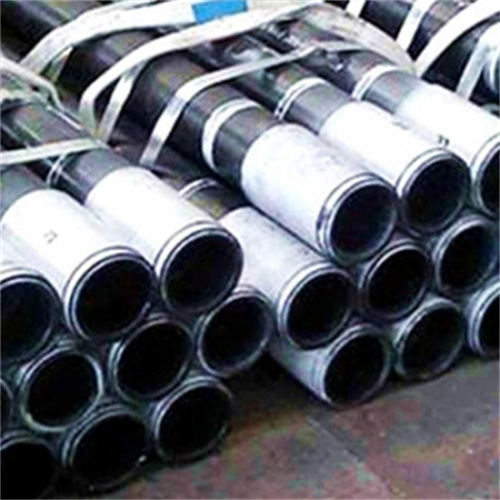
Impact of Technological innovations on Oil Casing production Costs
The oil casing market, a critical component of the Oil and Gas industry, has experienced significant fluctuations in production costs due to various technological innovations. These advancements have not only transformed the methods of oil extraction but have also influenced the overall economics of oil casing production. As the industry grapples with the dual challenges of meeting increasing global energy demands and adhering to stringent environmental regulations, the role of technology becomes paramount in sh APIng production costs and operational efficiencies.
One of the most notable technological innovations impacting oil casing production is the advent of advanced Materials. Traditional Steel casings, while effective, are often heavy and susceptible to corrosion, leading to increased Maintenance costs and operational downtime. However, the introduction of composite materials and high-strength alloys has revolutionized the production process. These materials are not only lighter but also exhibit enhanced resistance to corrosive environments, thereby reducing the frequency of replacements and Repairs. Consequently, the initial investment in these advanced materials can lead to substantial long-term savings, ultimately influencing the overall production costs of oil casing.
In addition to material advancements, automation and digital technologies have played a crucial role in optimizing production processes. The integration of robotics and automated systems in manufacturing facilities has streamlined operations, resulting in increased efficiency and reduced labor costs. For instance, automated welding and machining processes ensure precision and consistency, minimizing the risk of defects that could lead to costly rework. Furthermore, the implementation of data analytics and machine learning algorithms allows Manufacturers to predict maintenance needs and optimize production schedules, thereby reducing downtime and enhancing productivity. As a result, these technological innovations contribute to a more cost-effective production environment, which is essential in a market characterized by Price volatility.
Moreover, the rise of 3D printing technology has emerged as a game-changer in the oil casing market. This innovative approach enables manufacturers to produce complex casing designs with reduced material waste and shorter lead times. By allowing for on-demand production, 3D printing mitigates the risks associated with overproduction and inventory management, which can be particularly beneficial in a fluctuating market. Additionally, the ability to customize casing solutions for specific well conditions enhances operational efficiency and reduces the likelihood of costly failures during drilling operations. Thus, the adoption of 3D printing not only lowers production costs but also enhances the adaptability of oil casing solutions to meet diverse industry needs.
Furthermore, the increasing emphasis on sustainability and environmental responsibility has prompted the oil and gas industry to invest in cleaner technologies. Innovations such as carbon capture and storage (CCS) and enhanced oil recovery (EOR) techniques are being integrated into production processes, which can influence the cost structure of oil casing. While the initial investment in these technologies may be substantial, the long-term benefits, including reduced environmental impact and compliance with regulatory standards, can lead to cost savings and improved market positioning.
oil and gas case study examplesIn conclusion, the impact of technological innovations on oil casing production costs is profound and multifaceted. From advanced materials and automation to 3D printing and sustainable practices, these developments are reshaping the landscape of the oil casing market. As the industry contiNues to evolve in response to global energy demands and environmental challenges, the integration of these technologies will be crucial in driving efficiency, reducing costs, and ultimately ensuring the viability of oil casing production in an increasingly competitive and dynamic market. The interplay between technology and production costs will undoubtedly remain a focal point for stakeholders in the oil and gas sector as they navigate the complexities of a rapidly changing industry.
Role of Digital Transformation in Stabilizing Oil Casing Market Prices
The oil casing market, a critical component of the oil and gas industry, has experienced significant price fluctuations over the years, influenced by various factors including geopolitical tensions, supply and demand dynamics, and technological advancements. Among these, digital transformation has emerged as a pivotal force in stabilizing market prices, reshaping traditional practices, and enhancing operational efficiencies. As the industry grapples with the challenges posed by volatile pricing, the integration of digital technologies offers a pathway to greater resilience and predictability.
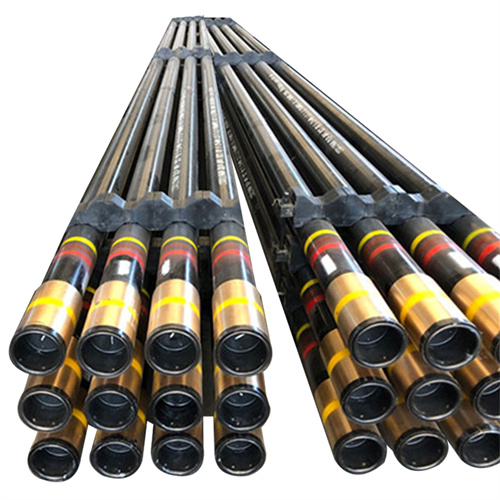
Digital transformation encompasses a wide array of technologies, including the Internet of Things (IoT), artificial intelligence (AI), big data analytics, and blockchain, all of which contribute to a more interconnected and efficient oil casing market. By leveraging these technologies, Companies can gain real-time insights into market trends, enabling them to make informed decisions that mitigate the impact of price fluctuations. For instance, IoT devices can monitor the condition of oil casing in real-time, providing data that helps predict maintenance needs and reduce downtime. This proactive approach not only enhances operational efficiency but also minimizes unexpected costs, thereby stabilizing prices in the market.
Moreover, big data analytics plays a crucial role in understanding market dynamics. By analyzing vast amounts of data from various sources, including historical pricing, production levels, and geopolitical events, companies can identify patterns and trends that inform their pricing strategies. This analytical capability allows firms to anticipate market shifts and adjust their operations accordingly, which is essential in a sector characterized by rapid changes. Consequently, the ability to forecast price movements with greater accuracy contributes to a more stable market environment.
In addition to operational efficiencies, digital transformation fosters collaboration across the supply chain. The oil casing market involves multiple stakeholders, including manufacturers, Suppliers, and end-users, all of whom must work together to ensure a steady flow of products and services. Digital platforms facilitate communication and collaboration, allowing for better alignment of supply and demand. For example, blockchain technology can enhance transparency and traceability in transactions, reducing the risk of disputes and ensuring that all parties have access to accurate information. This increased transparency not only builds trust among stakeholders but also helps stabilize prices by ensuring that supply meets demand more effectively.
Furthermore, the adoption of digital technologies can lead to cost reductions, which is particularly important in an industry where profit margins can be thin. Automation and AI can streamline processes, reduce labor costs, and minimize human error, all of which contribute to lower operational expenses. When companies can operate more efficiently and at a lower cost, they are better positioned to maintain competitive pricing, even in the face of market volatility. This ability to manage costs effectively is crucial for stabilizing prices in the oil casing market.
In conclusion, the role of digital transformation in stabilizing oil casing market prices cannot be overstated. By harnessing the power of advanced technologies, companies can enhance operational efficiencies, improve market forecasting, foster collaboration, and reduce costs. As the industry continues to evolve, embracing digital transformation will be essential for navigating the complexities of price fluctuations and ensuring a more stable and resilient oil casing market. The integration of these technologies not only addresses current challenges but also positions the industry for future growth and sustainability, ultimately benefiting all stakeholders involved.