Standard Sizes of Oil Well Casing
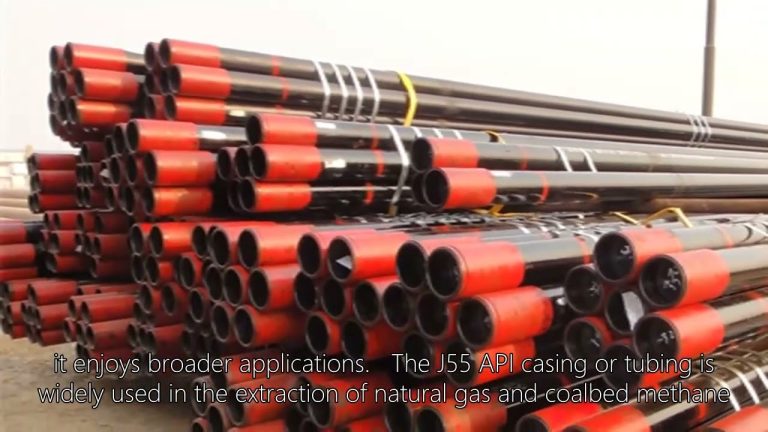
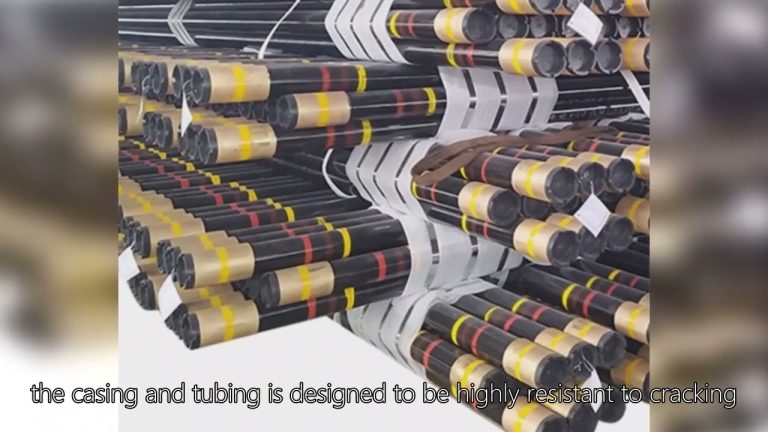
Oil Well casing plays a crucial role in the drilling and production of Oil and Gas. These Steel Tubes are carefully selected based on their size and specifications to ensure the integrity and efficiency of the well. Understanding the standard sizes of oil well casing is essential for professionals in the industry.
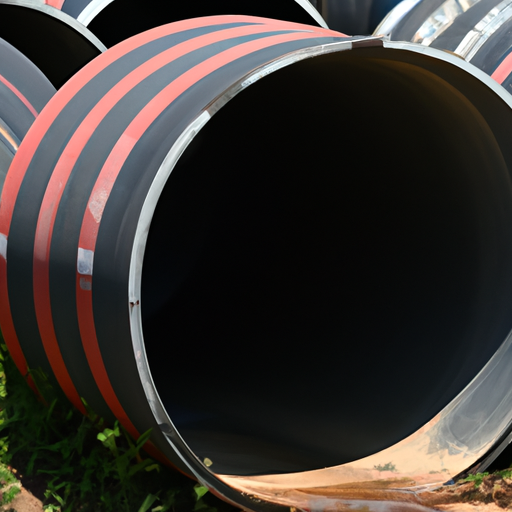
Casing sizes are defined by their nominal outer Diameter (OD) and their Wall thickness, both of which are standardized to meet the demands of drilling operations worldwide. Commonly used sizes range from 4 1/2 inches to 13 3/8 inches in outer diameter, with varying wall thicknesses to accommodate different well conditions and depths.
The smallest casing size, 4 1/2 inches in diameter, is often used in the early stages of drilling. It provides initial structural support and helps prevent the collapse of the wellbore. As drilling progresses and deeper formations are reached, larger casing sizes such as 5 1/2 inches, 7 inches, and 9 5/8 inches are employed. These larger casings not only support the wellbore but also protect against fluid migration and ensure efficient production.
For wells that require enhanced stability and protection, larger diameters like 13 3/8 inches are utilized. These sizes are crucial in deeper wells or tHose drilled in challenging geological formations where stability and integrity are paramount. The selection of casing size is based on the specific geological conditions, the anticipated pressure and temperature of the reservoir, and the desired production goals.
In addition to outer diameter, the wall thickness of the casing is also standardized. Thicker walls provide greater strength and resistance to pressure, making them suitable for deeper wells or wells subjected to higher pressures. The thickness is carefully chosen to balance structural integrity with cost-effectiveness, ensuring that the casing can withstand the forces exerted during drilling and production operations.
Transitioning from one casing size to another is a critical aspect of well Construction known as casing design. This process involves careful planning and analysis to determine the optimal sizes and specifications for each section of the well. Factors such as the depth of the well, the types of fluids encountered, and the pressure conditions all influence the selection of casing sizes and configurations.
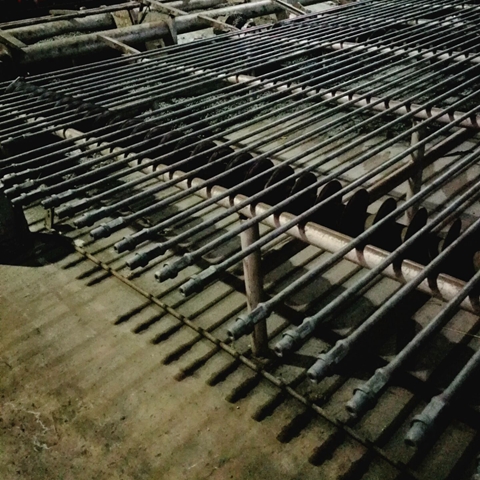
octg Pipe
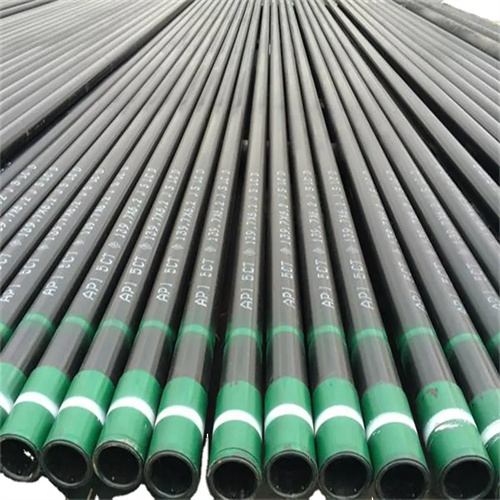
Standardization of casing sizes is crucial for the oil and gas industry as it allows for interoperability of equipment and enhances safety and reliability in drilling operations. Manufacturers adhere to international standards such as those set by the American Petroleum Institute ( API) to ensure consistency and quality across the industry.
In conclusion, the core range of sizes for oil well casing spans from 4 1/2 inches to 13 3/8 inches in diameter, with various wall thicknesses to suit different well conditions. These sizes are meticulously selected based on geological factors, well design considerations, and operational requirements to ensure the integrity and efficiency of oil and gas production. Understanding these standard sizes is essential for professionals involved in drilling and completing oil wells, as it forms the foundation for safe and effective well construction.