Factors to Consider When Choosing Oil Casing Anticorrosion Materials
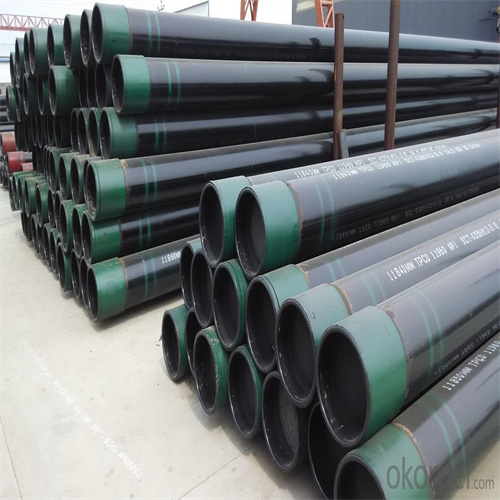
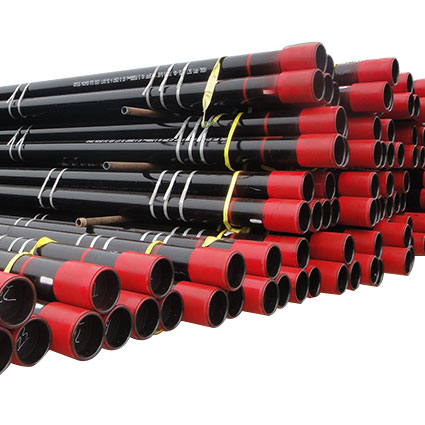
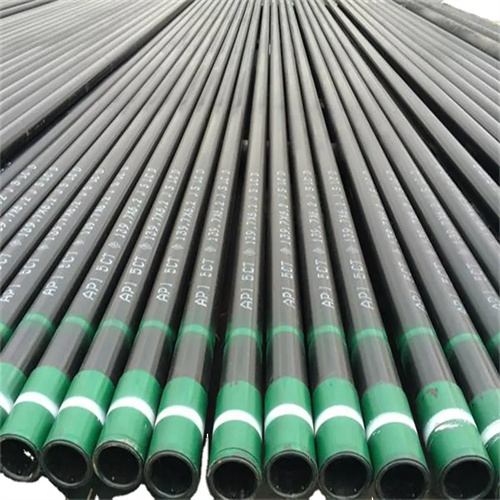
Choosing the right anticorrosion material for oil casing is critical for ensuring durability and reliability in the harsh environments of Oil and Gas operations. Several factors must be carefully considered to make an informed decision that aligns with the specific application setting.
Firstly, it is essential to evaluate the environmental conditions to which the oil casing will be exposed. Factors such as temperature variations, humidity levels, and the presence of corrosive substances in the drilling fluid or the surrounding soil all play a significant role. Materials like epoxy coatings or metallic zinc-based coatings may be suitable for different environmental challenges. Understanding these conditions helps in selecting a material that offers robust protection against corrosion over the casing’s operational lifespan.
Another crucial consideration is the compatibility of the anticorrosion material with the Oil Well‘s production fluids. The chemical composition and corrosivity of the fluids can vary widely depending on the well’s location and depth. Certain materials, such as organic coatings or corrosion inhibitors, are designed to withstand specific chemical exposures better than others. Compatibility testing and consultation with materials engineers are often necessary to ensure the cHosen material can effectively resist corrosion under the anticipated fluid conditions.
Furthermore, the mechanical properties of the anticorrosion material must be evaluated. Oil casing is subjected to mechanical stresses during installation, production, and potentially during workover operations. The selected material should not only provide corrosion protection but also maintain its integrity and adhesion to the casing under mechanical stress. Flexible coatings or mechanically robust materials may be preferred in scenarios where casing deformation or movement is anticipated.
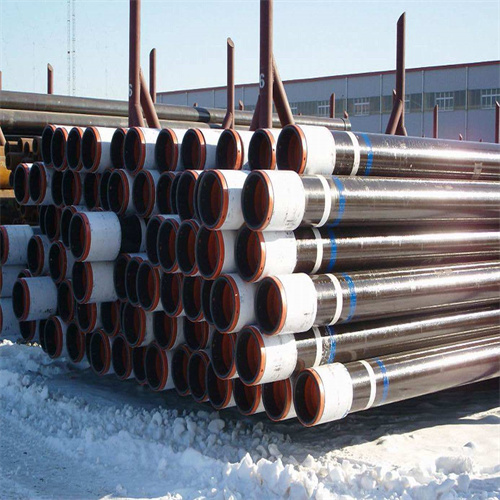 Cost-effectiveness is also a critical factor in decision-making. While advanced anticorrosion materials may offer superior protection, their initial cost and application complexity must be weighed against the expected savings from reduced Maintenance and prolonged casing life. Life cycle cost analysis helps in assessing the overall economic benefits of different anticorrosion strategies over the well’s operational lifespan.
In addition to material properties, the application method and quality assurance processes are essential considerations. Proper surface preparation, application techniques, and curing conditions significantly influence the effectiveness of anticorrosion treatments. Adherence to industry standards and Manufacturer guidelines is crucial to achieving the desired level of protection against corrosion.
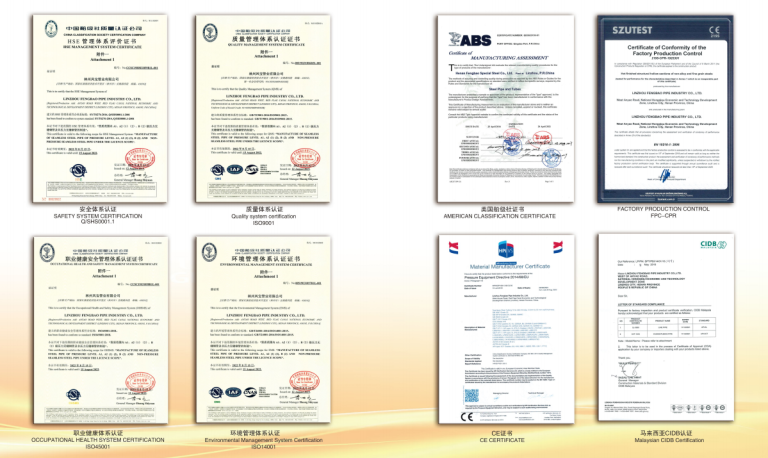
branch Pipe Best china SupplierLastly, regulatory requirements and industry standards must be complied with when selecting anticorrosion materials for oil casing. Different regions and jurisdictions may have specific regulations governing material selection, application procedures, and environmental impact considerations. Compliance ensures not only legal adherence but also promotes environmental stewardship and operational safety.
In conclusion, selecting the right anticorrosion material for oil casing involves a comprehensive assessment of environmental conditions, fluid compatibility, mechanical properties, cost-effectiveness, application methods, and regulatory compliance. Each factor interplays to determine the optimal solution that minimizes corrosion risks and enhances the long-term performance of oil and gas wells. By prioritizing these considerations and engaging with materials experts, operators can make well-informed decisions that contribute to the integrity and reliability of their oil casing systems.