Oil and Gas wells
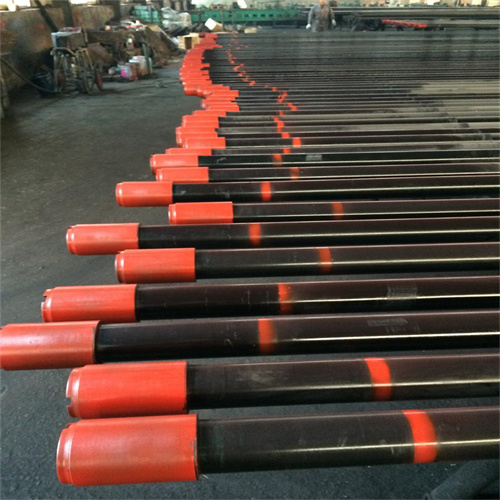
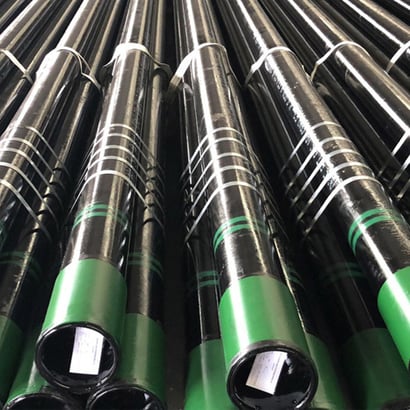
Oil and gas wells are complex structures that rely on various components to function efficiently. Among these components, Oil Casing plays a critical role in ensuring the integrity and stability of the wellbore. Identified uses of oil casing can be found throughout the lifecycle of a well, from drilling to production and eventual abandonment.
During the drilling phase, oil casing is employed primarily to provide structural support to the wellbore. This support is crucial in preventing the collapse of the hole and maintaining the integrity of the well as it penetrates through various geological formations. By casing the well, engineers can also control the pressure exerted by the surrounding formations, thereby ensuring safe drilling operations.
Steel Pipe china Best Companies
Once drilling is complete and the well is ready for production, oil casing contiNues to serve several important functions. It acts as a conduit through which oil or gas can flow from the reservoir to the surface equipment. The casing also helps isolate different zones within the well, preventing the mixing of fluids and enhancing production efficiency. In addition to these operational benefits, casing provides protection against external factors such as corrosion and formation fluid intrusion, which could otherwise compromise the well’s performance.
 Identified uses of oil casing extend beyond the production phase into the realm of well Maintenance and intervention. During workover operations, casing allows for the insertion of tools and equipment into the wellbore to perform tasks such as stimulation or remediation. This flexibility is essential for maximizing the productivity of mature wells or addressing operational challenges that may arise over time.
Moreover, oil casing plays a crucial role in the eventual abandonment of wells once they reach the end of their productive life. Properly designed and installed casing facilitates the safe and environmentally responsible closure of wells by containing fluids and isolating them from the surrounding environment. This containment helps prevent potential leaks or spills that could pose risks to groundwater and ecosystems.
In summary, the identified uses of oil casing are pervasive throughout the lifecycle of oil and gas wells, from initial drilling to final abandonment. Its structural integrity and operational versatility make oil casing indispensable in ensuring the safety, efficiency, and environmental stewardship of well operations. As technology advances and industry standards evolve, the role of oil casing continues to adapt, reflecting ongoing efforts to enhance well performance and mitigate environmental impact.
Ultimately, the strategic deployment of oil casing underscores its critical importance in the exploration, development, and management of oil and gas resources worldwide. Whether deep offshore or in remote onshore locations, the use of casing remains fundamental to the success and sustainability of modern oil and gas operations.