Understanding the Global Market Dynamics of Oil Casing Import and Export
In the intricate web of global trade, oil casing plays a pivotal role that extends far beyond its utilitarian function in the Oil and Gas industry. Understanding the dynamics of oil casing import and export unveils a complex interplay of economic strategies, geopolitical factors, and industrial demands.
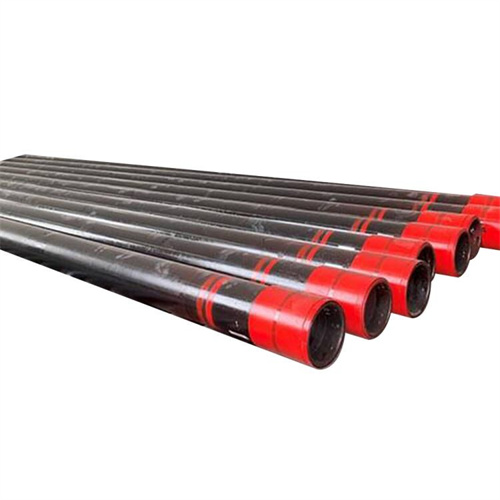
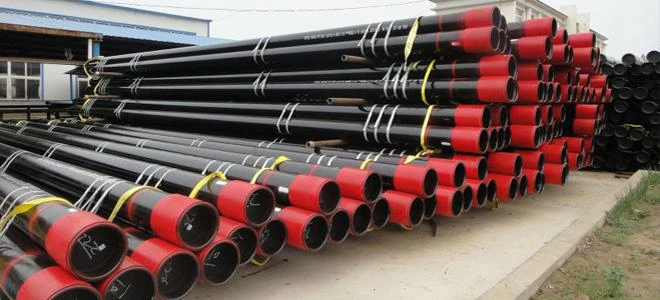
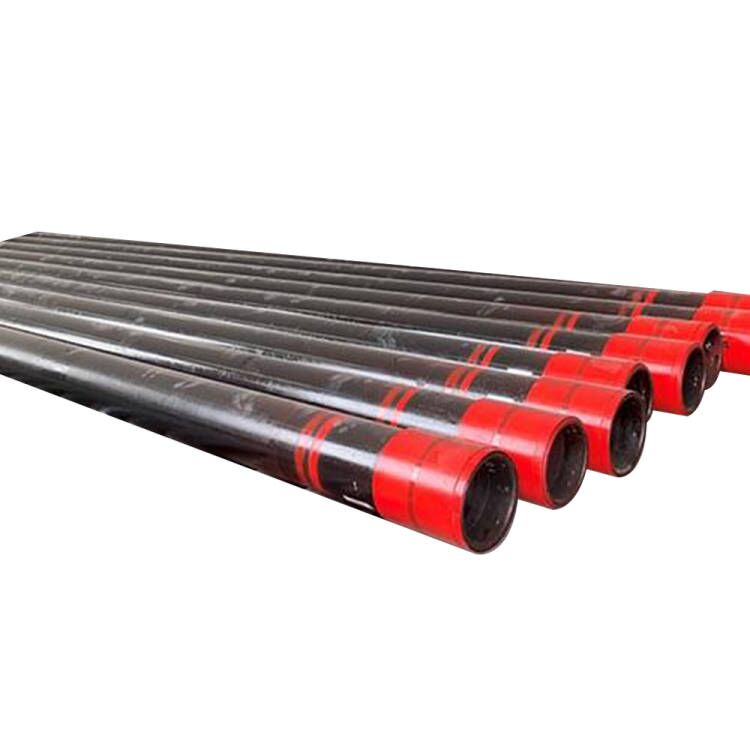
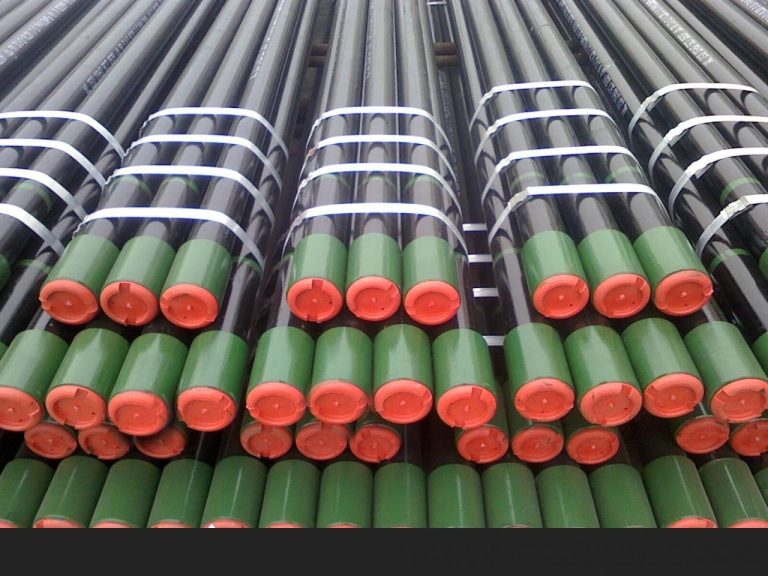
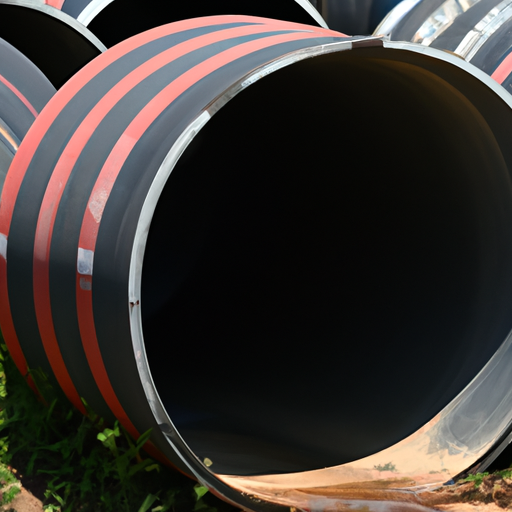
Oil casing, essentially hollow Steel Pipes of varying Diameters and thicknesses, serves as a critical component in the extraction and transportation of petroleum and natural gas. Its significance lies not only in facilitating the drilling process but also in ensuring the integrity and efficiency of Oil Wells worldwide.
The global market for oil casing is deeply influenced by several key factors. Foremost among these is the fluctuating demand for oil and gas, which directly impacts the need for drilling equipment such as casing. Economic growth rates, particularly in emerging markets with expanding energy needs, drive substantial portions of the demand.
Geopolitical considerations also wield substantial influence. oil-producing nations often dictate the flow of oil casing imports and exports, strategically aligning their production capabilities with market demands and international alliances. Supply chain disruptions or geopolitical tensions can swiftly alter the landscape of oil casing trade, affecting Prices and availability on a global scale.
From a commercial perspective, the trade in oil casing is not merely transactional but strategic. Countries with advanced steel manufacturing capabilities often dominate the export market, leveraging technological prowess and economies of scale to meet global demand. Conversely, nations with burgeoning oil industries may rely heavily on imports to sustain their operations, thereby fostering bilateral trade relationships and economic dependencies.
The quality standards of oil casing are rigorously upheld due to the stringent operational requirements of drilling activities. Manufacturers adhere to international specifications to ensure that the casing can withstand extreme pressures, corrosive environments, and prolonged operational lifespans. This adherence to standards enhances the reliability and safety of oil exploration and extraction processes worldwide.
Inno-T163 Manufacturer wholesale Oil Painting Style PU Leather Hard Case for Eyeglasses; Free Custom LogoTechnological advancements also shape the landscape of oil casing trade. innovations in metallurgy and manufacturing techniques continually refine the quality and performance of casing products. These advancements not only improve operational efficiencies but also open new aveNues for market growth and specialization within the industry.
Environmental and regulatory factors further underscore the complexity of oil casing trade. As sustainability practices gain prominence, stakeholders in the oil and gas sector face increasing pressure to adopt eco-friendly drilling technologies and Materials. This shift towards sustainability influences sourcing decisions and market preferences, compelling manufacturers and traders to innovate and adapt.
In conclusion, the import and export of oil casing are integral components of the global energy ecosystem. Beyond serving as essential equipment for oil and gas extraction, oil casing trade reflects broader economic, geopolitical, and technological trends. Understanding these dynamics is crucial for stakeholders across the industry spectrum, from manufacturers and traders to policyMakers and investors, as they navigate the intricacies of a dynamic and interconnected global market.