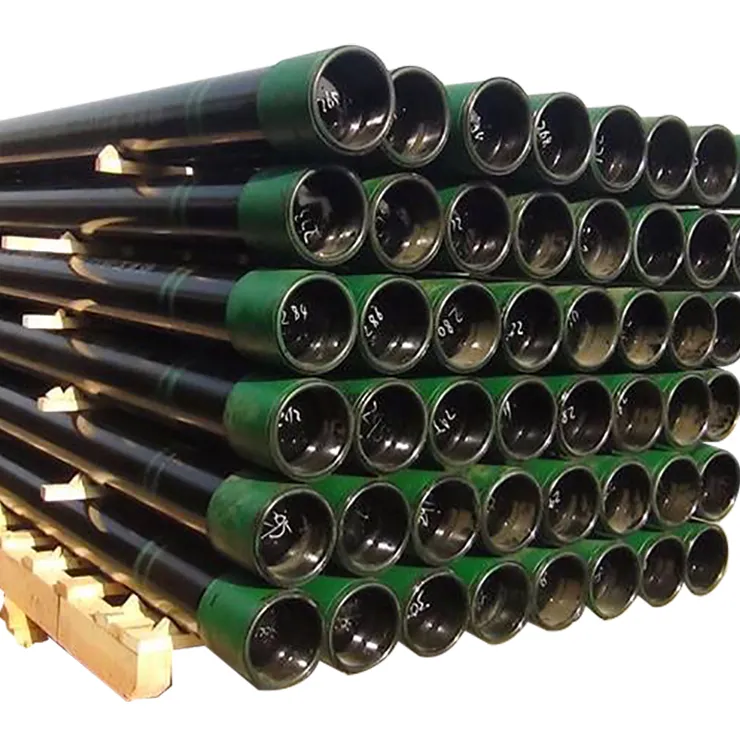
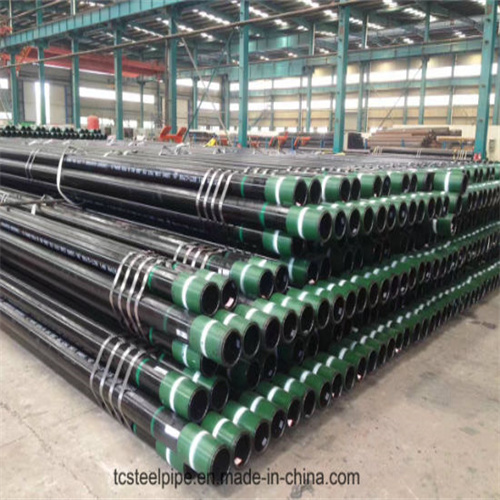
Importance of Adequate Attributes and Selection Criteria for Oil Casing Materials
Adequate Attributes and Selection of Oil Casing Materials
In the intricate realm of oil exploration and production, every component plays a crucial role in ensuring efficiency, safety, and longevity. Among these components, the selection of oil casing materials stands out as a critical decision that impacts the entire lifecycle of an Oil Well. The importance of choosing suitable materials cannot be overstated, as they must withstand extreme conditions such as high pressure, corrosive environments, and mechanical stress over extended periods.
Oil casing serves multiple functions, primarily to protect and support the wellbore, thereby safeguarding the integrity of the well and preventing environmental hazards. The materials used in constructing these casings must possess specific attributes to fulfill these demanding requirements effectively.
One of the primary attributes considered in the selection of oil casing materials is Corrosion resistance. Oil wells often operate in environments where they are exposed to corrosive elements such as hydrogen sulfide (H2S) and carbon dioxide (CO2). Corrosion can compromise the structural integrity of the casing, leading to leaks and potentially catastrophic failures. Materials like corrosion-resistant alloys (CRAs) or specially treated Steels are cHosen to mitigate this risk, ensuring prolonged service life and reduced Maintenance costs.
Another crucial attribute is mechanical strength. Oil casing materials must withstand high pressures exerted by the surrounding geological formations and the fluids being extracted. High-strength steels with appropriate yield and tensile strengths are preferred to ensure the casing can endure these immense pressures without deformation or failure. Additionally, the material must maintain its mechanical properties under varying temperatures, ensuring reliability throughout the operational lifespan of the well.
Furthermore, the thermal stability of casing materials is essential, particularly in wells where high-temperature reservoirs are encountered. Thermal stability ensures that the casing retains its structural integrity and mechanical strength even when exposed to elevated temperatures. This attribute is often achieved through careful alloying or heat treatment processes that enhance the material’s ability to withstand thermal cycling without degradation.
In addition to these primary attributes, considerations such as weldability, formability, and cost-effectiveness play significant roles in the selection process. Weldability is crucial for onsite assembly and Repair, ensuring that the casings can be installed and maintained efficiently. Formability allows Manufacturers to produce casings with complex geometries, tailored to specific well designs and conditions. Cost-effectiveness remains a critical factor, balancing the performance requirements with economic feasibility throughout the well’s lifecycle.
Luxury Blue Rhinestone Oil Painting Flower Phone Case for iPhone15 14 13 12 11 PromaxThe evolution of oil casing materials has been driven by advancements in metallurgy, engineering, and the demands of increasingly challenging operating environments. Modern casings often utilize advanced alloys and composite materials that offer superior performance compared to traditional steels. These advancements not only enhance operational reliability but also contribute to sustainability efforts by reducing material consumption and extending well longevity.
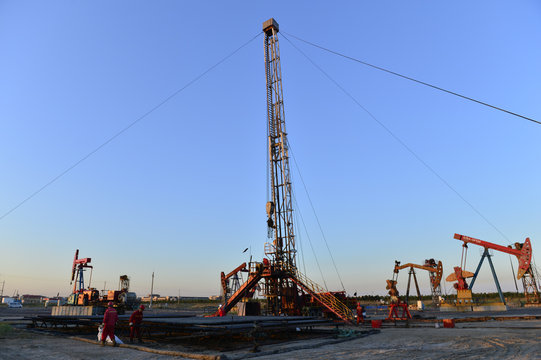
In conclusion, the adequate selection of oil casing materials is paramount to the success and safety of oil exploration and production operations. Each attribute\\u2014corrosion resistance, mechanical strength, thermal stability, and others\\u2014plays a vital role in ensuring the integrity and longevity of oil wells. By carefully considering these attributes and selecting materials that best meet the operational requirements, oil Companies can enhance efficiency, mitigate risks, and ultimately achieve greater returns on their investments in exploration and production activities. As technology advances and operational challenges evolve, the continuous improvement of oil casing materials remains crucial in meeting the demands of the industry and supporting sustainable energy practices worldwide.