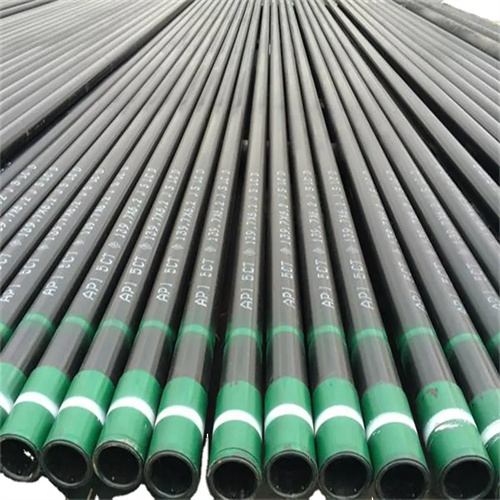
Understanding the Importance of Proper Casing in Oil Casing
Proper casing in oil drilling operations is crucial for the success and safety of the entire process. The casing serves as a protective barrier that prevents the wellbore from collapsing and ensures the integrity of the well. Without adequate casing, the well is vulnerable to various risks, including casing Leakage nightmares that can have catastrophic consequences.
One of the primary functions of casing is to isolate different geological formations to prevent fluid migration between them. This isolation is essential for maintaining well control and preventing environmental contamination. Improper casing can lead to fluid leaks, compromising the integrity of the well and posing a significant risk to the environment.
In addition to preventing fluid migration, casing also provides structural support to the wellbore. It helps maintain the integrity of the hole, preventing it from caving in or collapsing. Proper casing design and installation are essential to ensure the stability of the well and prevent costly and dangerous wellbore failures.
Furthermore, casing plays a crucial role in well completion and production. It provides a conduit for the extraction of Oil and Gas from the reservoir to the surface. The casing also protects the well from external elements and corrosive substances that could damage the wellbore and reduce its lifespan.
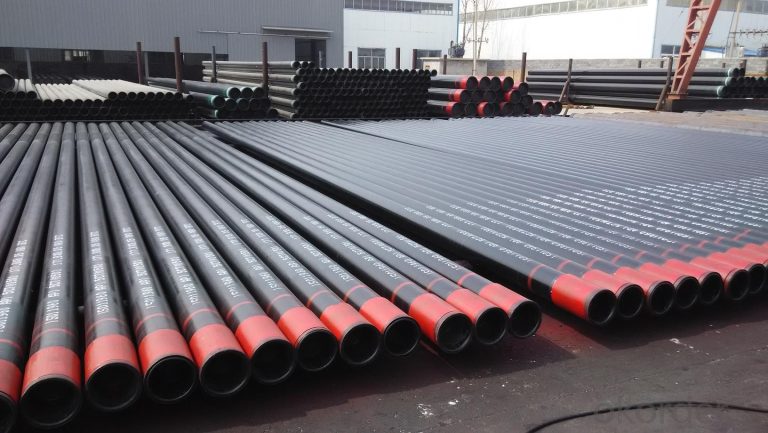
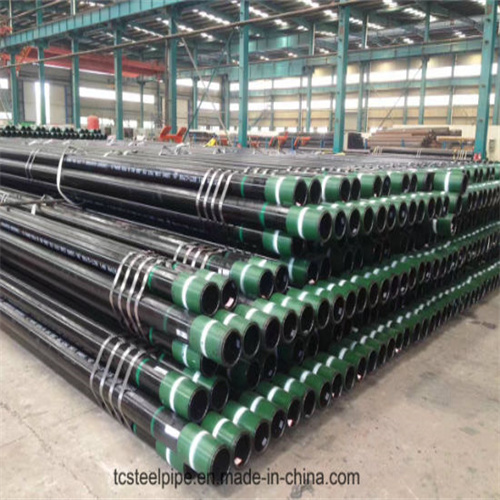
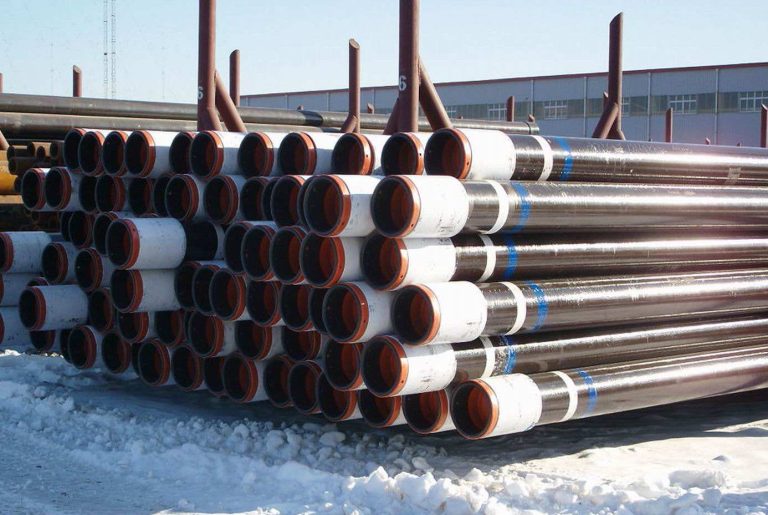
To effectively prevent casing leakage nightmares, it is essential to use high-quality casing Materials that can withstand the harsh conditions of the well environment. Steel casing is commonly used in oil drilling operations due to its strength, durability, and resistance to corrosion. Proper casing design, including the selection of the right casing size and Weight, is also critical to ensure the integrity of the well.
In addition to selecting the right casing materials and design, proper casing installation is equally important. Casing must be carefully installed and cemented to create a secure barrier that prevents fluid migration and maintains well integrity. Any gaps or imperfections in the casing and cement can lead to casing leakage and other wellbore integrity issues.
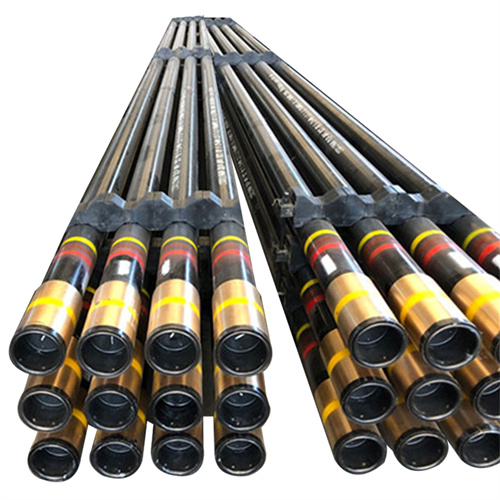
API 5ct J55 CASING ExporterRegular inspection and Maintenance of the casing are essential to detect any potential issues early and prevent casing leakage nightmares. Monitoring casing integrity through various techniques, such as cement bond logs and casing inspections, can help identify any weaknesses or defects in the casing system.
In conclusion, proper casing in oil drilling operations is paramount to the success and safety of the well. Understanding the importance of casing in maintaining well integrity, preventing fluid migration, and ensuring environmental protection is crucial for the efficient and sustainable operation of Oil Wells. By using high-quality materials, proper design, and installation practices, operators can effectively prevent casing leakage nightmares and ensure the long-term integrity of their wells.
How to Prevent Casing Leakage Nightmares with Effective Oil Casing Solutions
Oil casing plays a crucial role in the oil and gas industry, providing structural support and protection for the wellbore. However, casing leakage can be a significant concern that operators face, leading to costly Repairs, environmental risks, and operational disruptions. To prevent casing leakage nightmares, it is essential to implement effective oil casing solutions that address potential vulnerabilities and ensure the integrity of the well.
One key factor in preventing casing leakage is the selection of high-quality casing materials. Choosing the right material that can withstand the harsh conditions of the well environment is paramount. Steel casing is a common choice due to its strength and Corrosion resistance, but advancements in materials science have led to the development of even more durable options. Composite casings, for example, offer superior resistance to corrosion and can be customized to meet specific well requirements, providing an effective barrier against leakage.
In addition to selecting the appropriate casing material, proper casing design is essential for preventing leakage. The design should take into account factors such as well depth, pressure, and temperature to ensure that the casing can withstand the forces exerted on it. Casing strings should be carefully planned and installed to create a reliable barrier that prevents fluid migration and gas escape. By following best practices in casing design, operators can minimize the risk of leakage and maintain well integrity.
Furthermore, the installation process plays a critical role in preventing casing leakage. Proper installation techniques, such as centralizing the casing within the wellbore and ensuring a secure cement bond between the casing and the formation, are essential for creating a tight Seal. Quality control measures during installation, such as pressure testing and cement evaluation, can help identify any potential issues early on and prevent future leaks. By paying attention to detail during installation, operators can significantly reduce the likelihood of casing leakage problems.
Regular inspection and maintenance are also key components of effective casing leak prevention. Routine inspections using advanced technologies such as electromagnetic casing inspection tools can detect early signs of corrosion, wear, or damage that could lead to leakage. Timely repairs and maintenance interventions can address these issues before they escalate, prolonging the life of the casing and ensuring contiNued well integrity. Preventive maintenance programs that include cleaning, corrosion protection, and monitoring can help operators stay ahead of potential casing leakage risks.

In conclusion, preventing casing leakage nightmares requires a comprehensive approach that encompasses material selection, design considerations, installation practices, inspection protocols, and maintenance strategies. By investing in high-quality casing materials, designing robust casing strings, following proper installation procedures, conducting regular inspections, and implementing proactive maintenance measures, operators can safeguard their wells against the costly and disruptive consequences of casing leakage. With effective oil casing solutions in place, operators can mitigate risks, enhance operational efficiency, and ensure the long-term integrity of their oil and gas assets.
Exploring the Benefits of Using Specific Oils to Abolish Casing Leakage in Oil Casing Systems
Oil casing systems play a crucial role in the extraction and transportation of oil and gas. One of the persistent challenges faced by these systems is casing leakage, which can lead to significant operational and environmental consequences. However, with the right choice of oils, this issue can be effectively addressed, ensuring the integrity and efficiency of the entire system.
When it comes to combating casing leakage nightmares, the selection of specific oils is paramount. Certain oils possess unique properties that make them particularly well-suited for this purpose. These oils not only act as effective barriers against leakage but also contribute to the overall performance and longevity of the casing system.
One of the key benefits of using specific oils to combat casing leakage is their superior sealing properties. These oils have the ability to form a tight seal that prevents any unwanted leakage, even under high pressure and temperature conditions. By creating a reliable barrier, these oils help maintain the integrity of the casing system, reducing the risk of costly leaks and spills.
In addition to their sealing properties, specific oils also offer enhanced corrosion protection. Corrosion is a common issue in oil casing systems, particularly in harsh operating environments. The use of corrosion-resistant oils can help mitigate this risk, prolonging the lifespan of the casing and associated components. By preventing corrosion, these oils contribute to the overall reliability and safety of the system.
Furthermore, specific oils designed for combating casing leakage often exhibit excellent thermal stability. This characteristic is crucial in oil and gas operations where temperatures can vary significantly. Oils that can withstand extreme temperatures without degrading ensure consistent performance and reliability, even in challenging conditions.
Another advantage of using specific oils in oil casing systems is their compatibility with other system components. These oils are formulated to work seamlessly with seals, gaskets, and other materials commonly found in casing systems. This compatibility minimizes the risk of compatibility issues that could compromise the effectiveness of the sealing solution.
Moreover, specific oils can also offer improved lubrication properties, enhancing the overall efficiency of the casing system. Proper lubrication reduces friction and wear on moving parts, extending their operational life and reducing maintenance requirements. By incorporating lubricating oils into the system, operators can optimize performance and minimize downtime.
In conclusion, the benefits of using specific oils to combat casing leakage in oil casing systems are undeniable. From superior sealing properties to corrosion protection, thermal stability, compatibility, and lubrication, these oils offer a comprehensive solution to the challenges posed by casing leakage. By choosing the right oils for their specific needs, operators can effectively abolish casing leakage nightmares and ensure the Smooth and reliable operation of their oil casing systems.