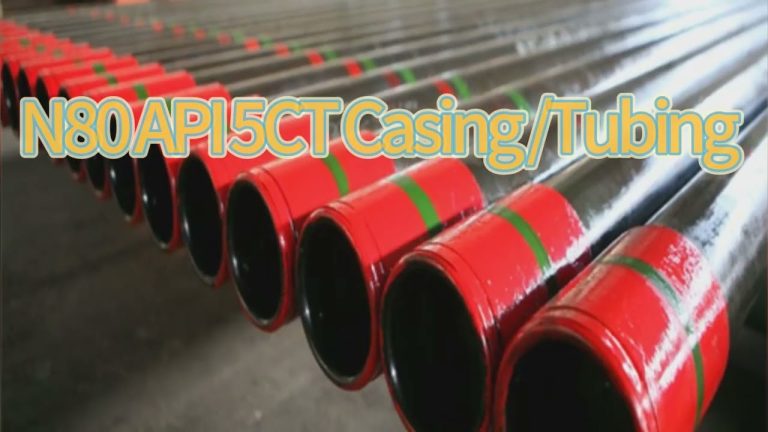
Overview of API 5ct l80 Specifications
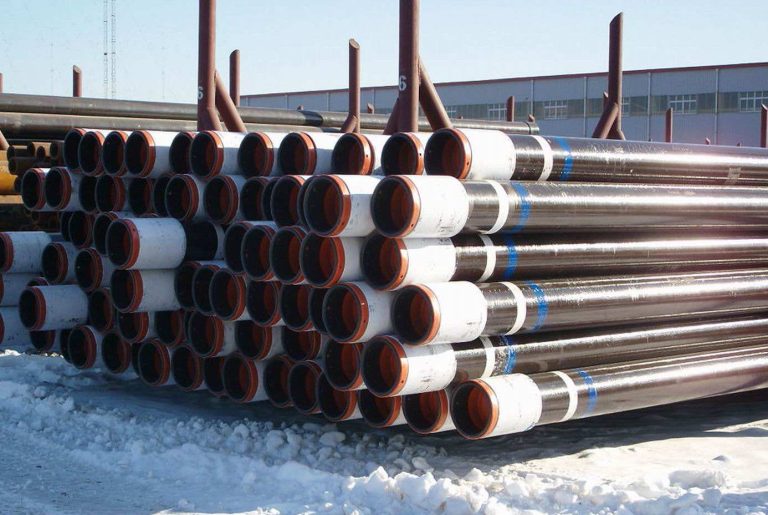
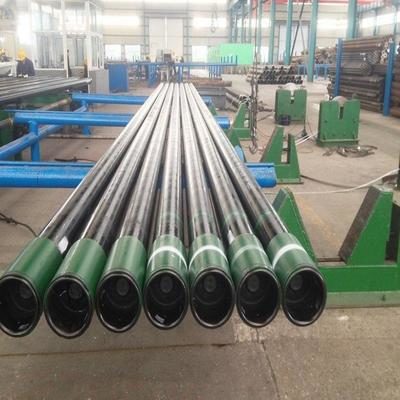
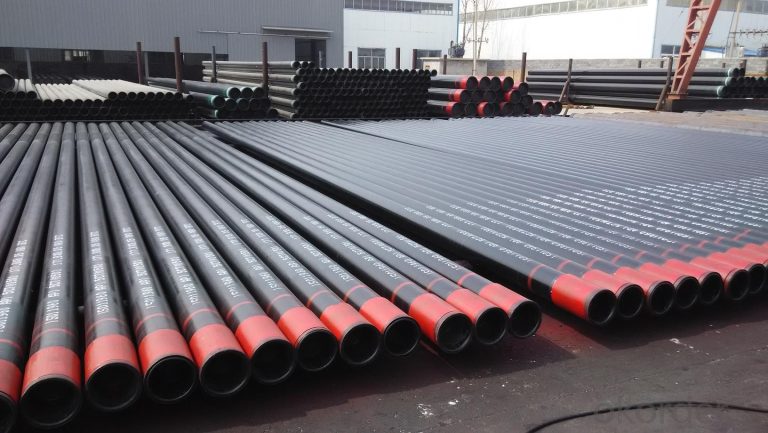
API 5CT L80 specifications are critical in the Oil and Gas industry, particularly concerning the production and transportation of hydrocarbons. This specification outlines the requirements for Casing and Tubing Pipes used in Oil Wells, ensuring that they meet the necessary standards for safety, durability, and performance. The L80 designation refers to a specific grade of Steel that is designed to withstand the harsh conditions encountered in oil extraction processes. This grade is particularly valued for its strength and resistance to corrosion, making it suitable for use in various environments, including tHose with high temperatures and pressures.
The API 5CT standard encompasses a range of specifications that govern the manufacturing processes, chemical composition, mechanical properties, and testing methods for casing and Tubing Pipes. These specifications are essential for ensuring that the Pipes can endure the mechanical stresses and corrosive environments typical in oil wells. The L80 grade, in particular, is characterized by its yield strength of 80,000 psi, which provides the necessary support for the wellbore while preventing collapse or failure during operation. This strength is achieved through specific heat treatment processes that enhance the Material‘s properties, ensuring reliability in demanding conditions.
Moreover, the API 5CT L80 specifications include detailed requirements for the chemical composition of the steel used in the pipes. This composition is crucial as it directly influences the material’s mechanical properties and its ability to resist corrosion. For instance, the presence of alloying elements such as chromium and molybdenum can significantly improve the steel’s resistance to sulfide stress cracking, a common issue in sour gas environments. By adhering to these stringent chemical requirements, Manufacturers can produce pipes that not only meet but exceed the expectations of operators in the field.

In addition to chemical composition, the API 5CT L80 specifications also outline the necessary mechanical testing that must be conducted on the pipes. These tests include tensile strength tests, impact tests, and hardness tests, all of which are designed to verify that the pipes can withstand the operational stresses they will encounter. The results of these tests are critical for ensuring the integrity of the casing and Tubing, as any weaknesses could lead to catastrophic failures during drilling or production operations. Consequently, manufacturers must maintain rigorous quality control processes to ensure that every pipe produced meets the API standards.
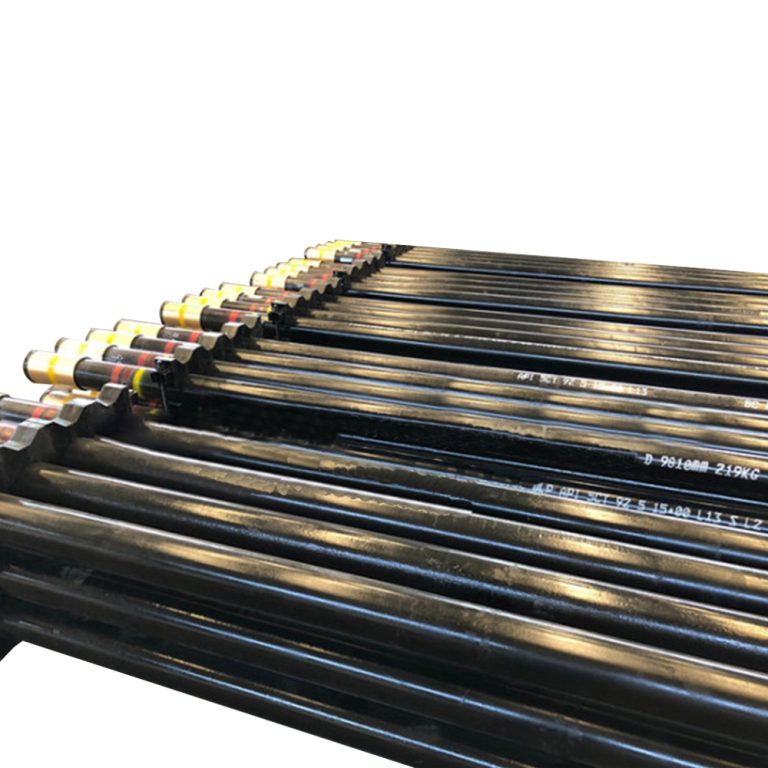
Furthermore, the API 5CT L80 specifications provide guidelines for the marking and identification of the pipes. Proper marking is essential for traceability and ensures that operators can easily identify the specifications of the pipes being used in their operations. This traceability is vital for maintaining safety and compliance with industry regulations, as it allows for quick identification of any potential issues that may arise during the lifecycle of the pipes.
In conclusion, the API 5CT L80 specifications play a pivotal role in the oil and gas industry by establishing the standards for casing and tubing pipes used in oil wells. By focusing on the mechanical properties, chemical composition, testing requirements, and proper identification of these pipes, the API 5CT L80 specifications ensure that operators can rely on the integrity and performance of their equipment. This reliability is essential for the safe and efficient extraction of hydrocarbons, ultimately contributing to the overall success of oil and gas operations.
Applications and Benefits of L80 Oil Well Casing and Tubing
API 5CT L80 oil well casing and tubing pipes are essential components in the oil and gas industry, specifically designed to withstand the demanding conditions encountered during drilling and production operations. These pipes are manufactured according to the specifications set forth by the American Petroleum Institute (API), ensuring a high standard of quality and performance. The L80 designation indicates a specific yield strength, making these pipes particularly suitable for use in environments where resistance to corrosion and mechanical stress is critical. As such, the applications and benefits of L80 oil well casing and tubing are significant, contributing to the overall efficiency and safety of oil extraction processes.
One of the primary applications of L80 casing and tubing is in the Construction of oil wells. These pipes serve as a protective barrier, preventing the collapse of the wellbore and isolating the oil and gas reservoirs from surrounding formations. This isolation is crucial for maintaining the integrity of the well and preventing contamination of groundwater resources. Furthermore, L80 pipes are often utilized in high-pressure and high-temperature environments, where their enhanced mechanical properties provide the necessary strength and durability. This capability allows operators to drill deeper and access previously unreachable reserves, thereby increasing the potential yield of oil and gas operations.
In addition to their structural applications, L80 casing and tubing pipes also play a vital role in the overall safety of drilling operations. The robust nature of these pipes helps to mitigate the risks associated with well blowouts and other hazardous events. By providing a reliable containment system, L80 pipes contribute to the prevention of uncontrolled releases of hydrocarbons, which can have devastating environmental and economic consequences. Moreover, the use of L80 pipes can enhance the efficiency of drilling operations by reducing the likelihood of equipment failure and the associated downtime, ultimately leading to cost savings for operators.
Another significant benefit of L80 oil well casing and tubing is their resistance to corrosion. In many oil and gas environments, the presence of corrosive substances, such as hydrogen sulfide and carbon dioxide, can lead to the degradation of traditional Steel Pipes. However, L80 pipes are often treated with specialized coatings or made from alloyed materials that enhance their resistance to these corrosive agents. This characteristic not only extends the lifespan of the pipes but also reduces the need for frequent replacements, further contributing to cost efficiency in drilling operations.
Furthermore, the versatility of L80 casing and tubing makes them suitable for a wide range of applications beyond conventional oil wells. For instance, they can be employed in geothermal energy projects, where the pipes must endure extreme temperatures and pressures. Additionally, L80 pipes are increasingly being used in the development of unconventional resources, such as shale gas and tight oil, where advanced drilling techniques are required. This adaptability underscores the importance of L80 casing and tubing in meeting the evolving demands of the energy sector.
In conclusion, the applications and benefits of API 5CT L80 oil well casing and tubing pipes are extensive and multifaceted. Their ability to provide structural integrity, enhance safety, resist corrosion, and adapt to various drilling environments makes them indispensable in the oil and gas industry. As the demand for energy contiNues to grow, the role of L80 pipes in facilitating efficient and safe extraction processes will remain paramount, ensuring that operators can meet the challenges of modern energy production with confidence.
API 5CT L80 CASING Best china Companies