Understanding Mutations in Oil Casing technical Agreement
Mutations in oil casing technical agreement can have significant effects on the overall performance and safety of oil drilling operations. These mutations, which refer to deviations from the specified technical requirements for oil casing, can arise due to various factors such as manufacturing defects, environmental conditions, or operational stresses. Understanding the effects of these mutations is crucial for ensuring the integrity and reliability of oil casing systems.
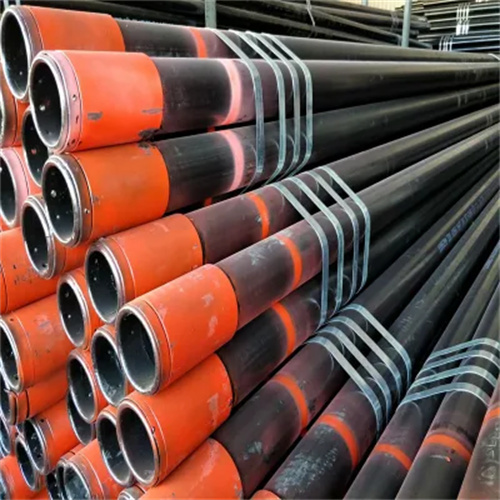
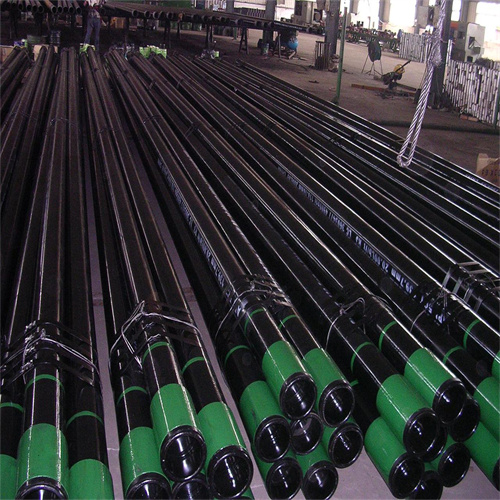
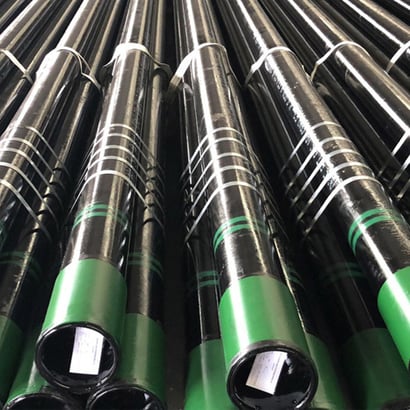
API 5ct l80 9Cr CASING china Best Exporter
One of the primary effects of mutations in oil casing technical agreement is the increased risk of structural failure. When the casing deviates from the intended specifications, it may not be able to withstand the pressures and loads experienced during drilling operations. This can lead to catastrophic failures such as casing collapse, leaks, or blowouts, posing serious safety hazards to personnel and the environment.
In addition to safety concerns, mutations in oil casing technical agreement can also impact the efficiency and productivity of drilling operations. Deviations in casing dimensions or Material properties can affect the flow of Oil and Gas, leading to reduced production rates and increased operational costs. Furthermore, these mutations can result in unplanned downtime for Repairs and Maintenance, further hampering the overall efficiency of the drilling process.
 To counteract the effects of mutations in oil casing technical agreement, proactive measures must be taken throughout the lifecycle of the casing. Regular inspections and testing can help identify any deviations from the specified technical requirements early on, allowing for timely interventions to prevent potential failures. Additionally, implementing robust quality control measures during manufacturing and installation can help minimize the occurrence of mutations and ensure compliance with industry standards.
Furthermore, the use of advanced technologies such as Non-destructive testing and predictive analytics can provide valuable insights into the condition of oil casing systems, enabling operators to detect potential mutations before they escalate into critical issues. By leveraging these technologies, operators can proactively address deviations in casing integrity and make informed decisions to maintain the reliability of their drilling operations.
In conclusion, mutations in oil casing technical agreement can have far-reaching implications for the safety, efficiency, and reliability of oil drilling operations. By understanding the effects of these mutations and implementing proactive counteractions, operators can mitigate risks, enhance operational performance, and ensure the integrity of their oil casing systems. Through a combination of regular inspections, quality control measures, and advanced technologies, the industry can effectively manage mutations in oil casing technical agreement and uphold the highest standards of safety and operational excellence.