Green Initiatives in china‘s Oil Casing Industry
China’s oil casing industry has been making significant strides towards sustainable development in recent years. These initiatives are crucial not only for the environment but also for the long-term viability of the industry. In this article, we will explore the top five sustainable development initiatives undertaken by China’s top-rated oil casing Companies.
First and foremost, one of the key initiatives embraced by these companies is the adoption of eco-friendly Materials in the production of oil casings. By using materials that have a lower environmental impact, such as recycled Steel or biodegradable compounds, these companies are reducing their carbon footprint and promoting a more sustainable manufacturing process.
In addition to using eco-friendly materials, China’s top oil casing companies are also investing heavily in research and development to improve the efficiency of their production processes. By implementing cutting-edge technologies and innovative practices, these companies are able to minimize waste, reduce energy consumption, and optimize resource utilization, leading to a more sustainable operation overall.
Furthermore, these companies are actively promoting recycling and waste management initiatives within their facilities. By implementing comprehensive recycling programs and waste reduction strategies, they are able to minimize the environmental impact of their operations and contribute to a more circular economy.
Another important aspect of sustainable development in the oil casing industry is the focus on employee well-being and safety. China’s top-rated oil casing companies prioritize the health and safety of their workers by providing a safe working environment, offering training programs on occupational health and safety, and implementing strict safety protocols to prevent accidents and injuries.
Lastly, these companies are also actively engaged in community outreach and environmental conservation efforts. By partnering with local communities, environmental organizations, and government agencies, they are able to support conservation projects, promote environmental awareness, and contribute to the overall well-being of the regions in which they operate.
In conclusion, China’s top-rated oil casing companies are leading the way in sustainable development initiatives within the industry. By embracing eco-friendly materials, investing in research and development, promoting recycling and waste management, prioritizing employee well-being and safety, and engaging in community outreach and conservation efforts, these companies are setting a positive example for the entire industry. Through their commitment to sustainability, they are not only reducing their environmental impact but also ensuring a more prosperous and sustainable future for the oil casing industry as a whole.
Sustainable Practices Driving China’s Oil Casing Sector
China’s oil casing sector has been making significant strides in sustainable development initiatives, reflecting a growing global trend towards environmentally conscious practices in the energy industry. These initiatives not only benefit the environment but also contribute to the long-term viability of the sector. In this article, we will explore the top five sustainable practices that are driving China’s oil casing industry towards a more eco-friendly and efficient future.
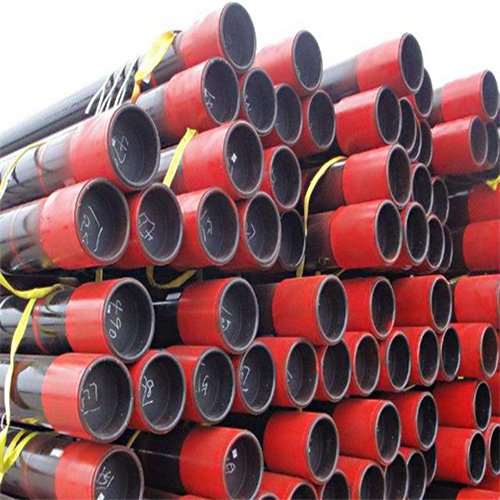
API 5ct l80 9Cr CASING chinese Best SupplierOne of the key initiatives that China’s oil casing sector has embraced is the use of recycled materials in casing production. By recycling materials such as steel and other metals, companies are able to reduce their environmental footprint and minimize the need for new resource extraction. This not only conserves natural resources but also helps in reducing energy consumption during the manufacturing process.
Another important sustainable practice in the oil casing sector is the implementation of advanced technologies to improve efficiency and reduce waste. Companies are investing in innovative solutions such as digital monitoring systems and automation to optimize production processes and minimize energy usage. These technologies not only enhance operational efficiency but also help in reducing greenhouse Gas emissions.
Furthermore, China’s oil casing industry is increasingly focusing on reducing water consumption in its operations. Water is a precious resource, and by implementing water recycling and conservation measures, companies are able to minimize their impact on local water sources. This not only benefits the environment but also ensures the sustainability of water resources for future generations.
In addition to resource conservation, the oil casing sector in China is also prioritizing worker safety and well-being as part of its sustainable development initiatives. Companies are investing in training programs and safety protocols to ensure that workers are protected and that operations are carried out in a responsible manner. By prioritizing worker safety, companies are not only fulfilling their social responsibility but also enhancing overall operational efficiency.
Lastly, China’s oil casing industry is actively engaging with stakeholders and communities to foster a culture of sustainability and environmental stewardship. Companies are collaborating with local communities, government agencies, and environmental organizations to implement best practices and promote sustainable development in the sector. By working together with stakeholders, the industry is able to address environmental challenges more effectively and create a more sustainable future for all.
In conclusion, China’s oil casing sector is at the forefront of sustainable development initiatives, driven by a commitment to environmental responsibility and operational efficiency. By embracing practices such as recycling, technological innovation, water conservation, worker safety, and stakeholder engagement, the industry is paving the way for a more sustainable and eco-friendly future. These initiatives not only benefit the sector itself but also contribute to a cleaner and healthier environment for current and future generations.
Top 5 Sustainable Development Strategies in China’s Oil Casing Industry
China’s oil casing industry has been at the forefront of sustainable development initiatives, setting a remarkable example for the global energy sector. In this article, we delve into the top 5 sustainable development strategies that have propelled China’s oil casing industry to new heights of environmental responsibility and efficiency.
First and foremost, China’s oil casing industry has embraced the concept of energy efficiency as a core pillar of its sustainable development strategy. By investing in cutting-edge technologies and innovative practices, companies have significantly reduced their energy consumption and carbon footprint. This commitment to energy efficiency not only benefits the environment but also enhances the industry’s overall competitiveness in the global market.
In addition to energy efficiency, China’s oil casing industry has prioritized the use of eco-friendly materials in its production processes. By replacing traditional materials with sustainable alternatives, such as recycled steel and biodegradable polymers, companies have been able to minimize waste and reduce their environmental impact. This shift towards eco-friendly materials underscores the industry’s dedication to sustainability and responsible resource management.
Furthermore, China’s oil casing industry has made significant strides in water conservation and management. By implementing advanced water recycling systems and adopting water-efficient practices, companies have been able to minimize their water usage and reduce the discharge of wastewater. This focus on water conservation not only helps protect precious natural resources but also ensures the long-term sustainability of the industry.
Another key sustainable development strategy employed by China’s oil casing industry is the promotion of renewable energy sources. By harnessing the power of solar, wind, and other renewable energy technologies, companies have been able to reduce their reliance on fossil fuels and lower their greenhouse gas emissions. This transition towards renewable energy not only aligns with China’s broader environmental goals but also positions the industry as a leader in clean energy innovation.
Lastly, China’s oil casing industry has placed a strong emphasis on community engagement and social responsibility. By actively engaging with local communities, supporting education and training programs, and promoting sustainable development initiatives, companies have fostered positive relationships with stakeholders and contributed to the well-being of society at large. This commitment to social responsibility not only enhances the industry’s reputation but also creates a more inclusive and sustainable future for all.

In conclusion, China’s oil casing industry has demonstrated a steadfast commitment to sustainable development through a comprehensive set of strategies that prioritize energy efficiency, eco-friendly materials, water conservation, renewable energy, and social responsibility. By embracing these sustainable development initiatives, the industry has not only reduced its environmental impact but has also set a shining example for the global energy sector to follow.