Benefits of Using Factory borehole Steel Casing
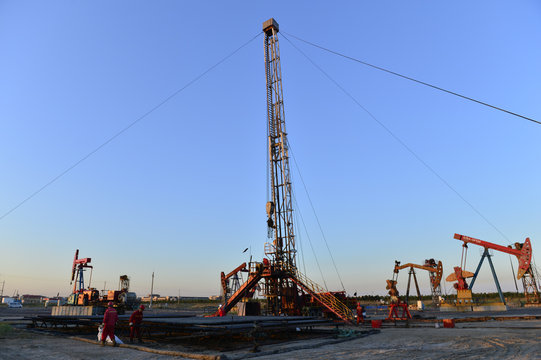
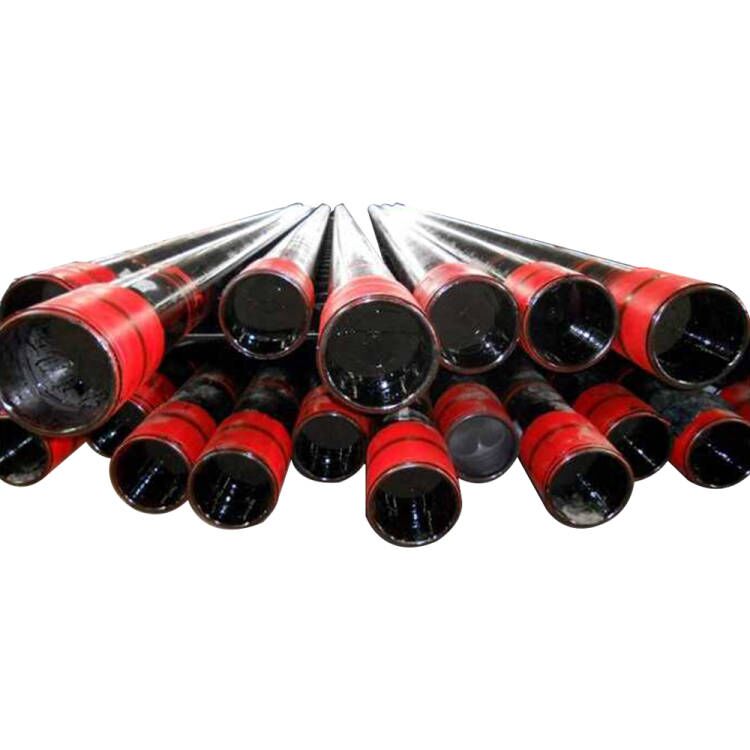
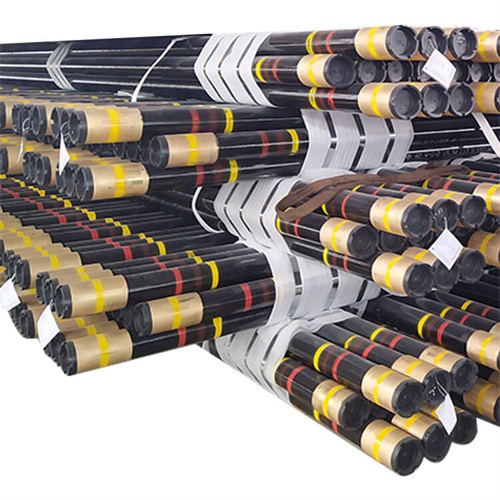
When it comes to drilling boreholes, choosing the right casing Material is crucial to ensure the longevity and efficiency of the well. One popular option that has gained widespread recognition in the industry is factory borehole steel casing. This type of casing is manufactured in a controlled environment, ensuring high quality and consistency in its properties. In this article, we will explore the benefits of using factory borehole steel casing for your drilling projects.
One of the primary advantages of factory borehole steel casing is its durability. Steel is known for its strength and resilience, making it an ideal material for protecting the wellbore from external forces such as pressure, corrosion, and abrasion. Factory-made steel casing undergoes rigorous quality control measures to ensure that it meets industry standards for strength and durability. This means that you can trust that your well will be protected for years to come when using factory borehole steel casing.
In addition to its durability, factory borehole steel casing is also highly resistant to corrosion. Steel is naturally resistant to rust and other forms of corrosion, making it a reliable choice for protecting the wellbore from the harsh conditions it may encounter underground. This resistance to corrosion helps to prolong the life of the casing and ensures that the well remains secure and functional for an extended period of time.
API 5ct l80 CASING Best chinese Companies
Another benefit of using factory borehole steel casing is its versatility. Steel casing can be easily customized to fit the specific requirements of your drilling project, whether you need a certain Diameter, Length, or thickness. This flexibility allows for greater precision in designing the wellbore and ensures that the casing will provide optimal protection and support for the well.
Furthermore, factory borehole steel casing is easy to install and maintain. Steel casing is lightWeight and can be easily transported and handled on-site, making the installation process quick and efficient. Once in place, steel casing requires minimal Maintenance to keep it in good condition, saving time and resources in the long run.
Moreover, factory borehole steel casing is environmentally friendly. Steel is a recyclable material, which means that it can be reused or repurposed at the end of its Life cycle. This reduces waste and minimizes the environmental impact of drilling operations, making steel casing a sustainable choice for well Construction.
In conclusion, factory borehole steel casing offers a range of benefits for drilling projects. From its durability and Corrosion resistance to its versatility and ease of installation, steel casing provides a reliable and efficient solution for protecting the wellbore. Additionally, its environmental friendliness makes it a sustainable choice for tHose looking to minimize their impact on the environment. Overall, factory borehole steel casing is a smart investment for any drilling project looking for long-lasting, high-quality casing material.
How to choose the Right Factory Borehole Steel Casing
When it comes to choosing the right factory borehole steel casing, there are several factors to consider in order to ensure the success and longevity of your project. Steel casing is a critical component in borehole drilling, as it provides structural support and prevents the collapse of the borehole walls. In this article, we will discuss the key considerations to keep in mind when selecting factory borehole steel casing.
One of the first things to consider when choosing factory borehole steel casing is the material. Steel casing is typically made from Carbon steel, Stainless Steel, or alloy steel. Each material has its own set of properties and advantages, so it is important to select the material that best suits your specific needs. Carbon steel is the most common type of steel casing and is known for its strength and durability. Stainless steel is corrosion-resistant and ideal for environments with high levels of moisture or chemicals. Alloy steel is a combination of different metals and offers enhanced strength and resistance to wear and tear.
Another important consideration when choosing factory borehole steel casing is the size and thickness of the casing. The size of the casing should be determined based on the diameter of the borehole and the depth of the drilling. The thickness of the casing is also crucial, as it determines the strength and integrity of the borehole walls. Thicker casing is more durable and provides better protection against external forces, such as pressure and corrosion.
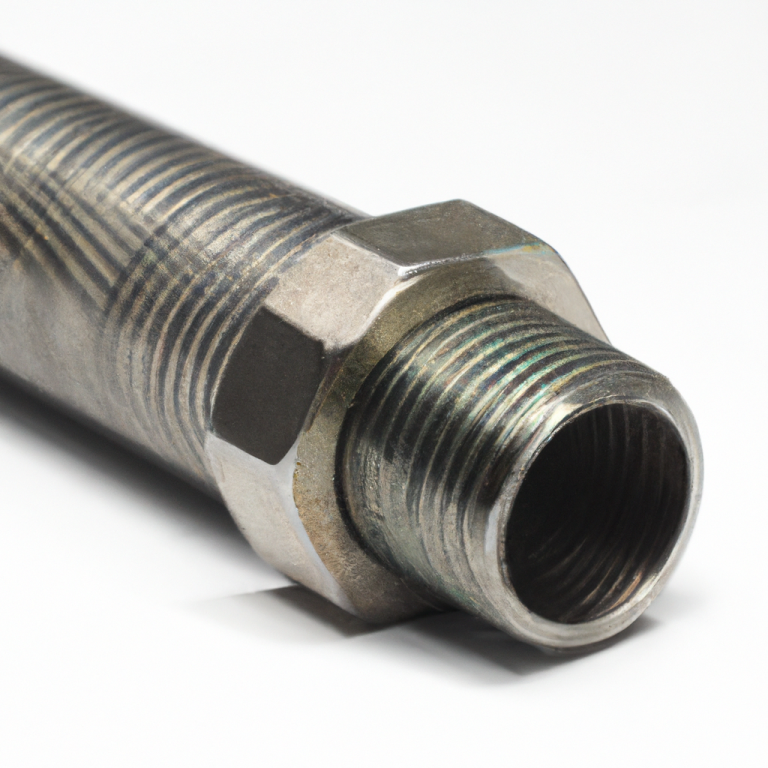
In addition to material, size, and thickness, it is essential to consider the type of Connection used in factory borehole steel casing. There are two main types of connections: Threaded and welded. Threaded connections are easier to install and remove, making them ideal for temporary or exploratory drilling projects. Welded connections, on the other hand, provide a more secure and permanent Seal, making them suitable for long-term or high-pressure applications.
Furthermore, it is important to consider the coating or lining of the factory borehole steel casing. Coatings and linings are applied to the casing to protect it from corrosion, abrasion, and other forms of damage. Common coatings include epoxy, polyurethane, and galvanized zinc. Each coating has its own set of benefits and is chosen based on the specific requirements of the project.
When selecting factory borehole steel casing, it is also important to consider the Manufacturer‘s reputation and experience. Choose a reputable manufacturer with a track record of producing high-quality steel casing that meets industry standards and regulations. Look for certifications and accreditations that demonstrate the manufacturer’s commitment to quality and safety.
In conclusion, choosing the right factory borehole steel casing is essential for the success of your drilling project. Consider factors such as material, size, thickness, connection type, coating, and manufacturer reputation when making your decision. By taking the time to carefully evaluate these factors, you can ensure that your borehole is properly supported and protected for years to come.
Maintenance Tips for Factory Borehole Steel Casing
Factory borehole steel casing is an essential component of any industrial operation that relies on groundwater for various processes. Proper maintenance of this casing is crucial to ensure the longevity and efficiency of the borehole system. In this article, we will discuss some important maintenance tips for factory borehole steel casing to help you keep your operation running Smoothly.
One of the most important maintenance tasks for factory borehole steel casing is regular inspection. Inspecting the casing for any signs of damage, corrosion, or leaks is essential to catch any issues early on before they escalate into more significant problems. This can be done by visually inspecting the casing for any visible signs of wear and tear, as well as using tools such as cameras to inspect the interior of the casing for any potential issues.
In addition to regular inspections, it is also important to clean the factory borehole steel casing on a regular basis. Over time, sediment, debris, and other contaminants can build up inside the casing, leading to reduced flow rates and potential blockages. Cleaning the casing can help prevent these issues and ensure that the borehole system contiNues to operate efficiently.
When cleaning the factory borehole steel casing, it is important to use the proper tools and techniques to avoid causing damage to the casing. High-pressure water jets or brushes can be used to remove built-up sediment and debris without damaging the casing itself. It is also important to use cleaning solutions that are safe for use with steel casing to avoid corrosion or other damage.
Another important maintenance tip for factory borehole steel casing is to monitor the water quality regularly. Changes in water quality, such as increased levels of contaminants or sediment, can indicate potential issues with the casing or the borehole system as a whole. By monitoring water quality regularly, you can catch any issues early on and take corrective action before they escalate.
In addition to monitoring water quality, it is also important to monitor the flow rates of the borehole system. Changes in flow rates can indicate potential issues with the casing, such as blockages or leaks. By monitoring flow rates regularly, you can identify any issues early on and take corrective action to prevent further damage to the casing or the borehole system.

Finally, it is important to have a maintenance schedule in place for factory borehole steel casing. Regular maintenance tasks, such as inspections, cleaning, and monitoring, should be scheduled at regular intervals to ensure that the casing remains in good condition and the borehole system operates efficiently. By following a maintenance schedule, you can prevent potential issues from arising and ensure the longevity of your borehole system.
| Number | Article Name |
| 1 | Steel Tubes |
In conclusion, proper maintenance of factory borehole steel casing is essential to ensure the longevity and efficiency of the borehole system. By following the maintenance tips outlined in this article, you can keep your factory borehole steel casing in good condition and prevent potential issues from arising. Regular inspections, cleaning, monitoring, and following a maintenance schedule are all important aspects of maintaining factory borehole steel casing. By taking care of your casing, you can ensure that your borehole system continues to operate efficiently for years to come.