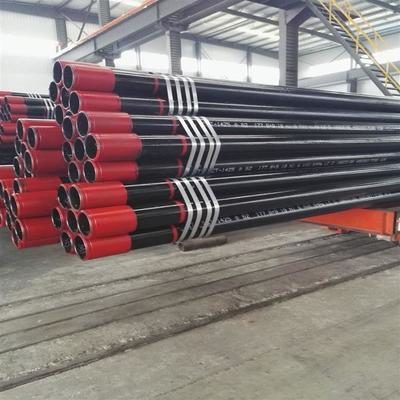
Importance of Collaboration in the Oil Casing Industry
Collaboration among players in the oil casing industry is crucial for fostering innovation, efficiency, and sustainability. In an industry as complex and interconnected as oil casing production, effective collaboration can lead to significant benefits for all stakeholders involved. By working together, Companies can share knowledge, resources, and best practices, ultimately driving growth and competitiveness in the market.
One of the key policies for promoting collaboration in the oil casing industry is the establishment of industry standards and guidelines. These standards serve as a common framework that all players can adhere to, ensuring consistency and interoperability across different segments of the industry. By following these standards, companies can streamline their operations, reduce costs, and improve overall quality and safety standards.
Shadow BoxAnother important policy is the encouragement of information sharing and transparency among industry players. By sharing data, insights, and market trends, companies can make more informed decisions and adapt to changing market conditions more effectively. This open exchange of information can also foster trust and cooperation among competitors, leading to mutually beneficial partnerships and collaborations.
In addition to information sharing, fostering a culture of innovation is essential for promoting collaboration in the oil casing industry. Companies that invest in research and development, technology adoption, and continuous improvement are more likely to attract partners and collaborators who share a similar commitment to innovation. By incentivizing creativity and risk-taking, companies can create a dynamic ecosystem that encourages collaboration and drives industry-wide progress.
Furthermore, promoting collaboration among industry players requires a commitment to sustainability and corporate social responsibility. Companies that prioritize environmental stewardship, ethical business practices, and community engagement are more likely to attract partners who share these values. By aligning on sustainability goals and initiatives, companies can work together to address common challenges such as climate change, resource depletion, and social inequality.
Overall, the policies for promoting collaboration among oil casing industry players are designed to create a more interconnected, resilient, and competitive industry ecosystem. By establishing industry standards, encouraging information sharing, fostering innovation, and prioritizing sustainability, companies can unlock new opportunities for growth and development. Collaboration is not just a buzzword in the oil casing industry; it is a strategic imperative that can drive long-term success and prosperity for all stakeholders involved.
Key Policies for Enhancing Collaboration Among Industry Players
Policies play a crucial role in sh APIng the dynamics of any industry, and the oil casing sector is no exception. In an industry as complex and interconnected as oil casing, collaboration among industry players is essential for fostering innovation, driving efficiency, and ensuring sustainable growth. To promote collaboration among oil casing industry players, several key policies have been identified and implemented.
One of the fundamental policies for enhancing collaboration is the establishment of industry-wide standards and best practices. Standardization not only streamlines operations but also facilitates communication and cooperation among different stakeholders. By adhering to common standards, industry players can ensure compatibility, interoperability, and seamless integration of processes and technologies.
Another important policy is the promotion of information sharing and transparency. In a competitive industry like oil casing, sharing relevant data, insights, and market trends can foster trust and cooperation among players. Transparent communication channels enable stakeholders to make informed decisions, anticipate challenges, and identify opportunities for collaboration.
Collaborative research and development initiatives are also instrumental in promoting synergy among industry players. By pooling resources, expertise, and knowledge, companies can accelerate innovation, reduce costs, and address common challenges more effectively. Joint R&D projects not only drive technological advancements but also create a culture of collaboration and knowledge exchange within the industry.
Furthermore, incentivizing collaboration through regulatory frameworks and financial mechanisms can encourage industry players to work together towards common goals. Policies that offer tax incentives, grants, or subsidies for collaborative projects can motivate companies to overcome competitive barriers and prioritize collective interests over individual gains.
In addition to external policies, internal organizational structures and practices also play a significant role in fostering collaboration. Companies can promote a culture of teamwork, open communication, and knowledge sharing within their organizations to encourage employees to collaborate with external partners. Cross-functional teams, collaborative tools, and performance metrics that reward cooperation can further enhance inter-organizational collaboration.
Moreover, establishing platforms for networking and relationship-building, such as industry conferences, forums, and working groups, can facilitate interactions among industry players and create opportunities for collaboration. These platforms not only enable knowledge exchange and skill development but also foster a sense of community and shared purpose within the industry.
In conclusion, promoting collaboration among oil casing industry players requires a multi-faceted approach that combines industry-wide policies, organizational practices, and networking initiatives. By fostering a culture of cooperation, transparency, and innovation, stakeholders can unlock the full potential of collaborative efforts and drive sustainable growth in the oil casing sector. Through strategic policy interventions and collective action, industry players can overcome challenges, seize opportunities, and create a more resilient and interconnected ecosystem for the benefit of all stakeholders involved.
Case Studies on Successful Collaboration Initiatives in the Oil Casing Sector
Collaboration among players in the oil casing industry is crucial for fostering innovation, efficiency, and sustainability within the sector. By working together, companies can leverage their strengths, share resources, and tackle common challenges more effectively. In this article, we will delve into the key policies that promote collaboration among oil casing industry players and explore successful case studies that highlight the benefits of such initiatives.
One of the fundamental policies for promoting collaboration in the oil casing sector is the establishment of industry-wide standards and guidelines. These standards ensure that all players adhere to common practices, which facilitates interoperability and seamless cooperation. By following standardized procedures, companies can streamline their operations and reduce inefficiencies caused by divergent practices.
Another important policy is the creation of collaborative platforms and forums where industry stakeholders can come together to exchange ideas, best practices, and technological advancements. These platforms serve as hubs for knowledge sharing and networking, enabling companies to stay abreast of industry trends and developments. Through active participation in these forums, players can forge partnerships, joint ventures, and research collaborations that drive innovation and growth.
In addition to industry-wide standards and collaborative platforms, incentivizing collaboration through regulatory frameworks and financial mechanisms is essential. Governments and regulatory bodies can introduce policies that reward companies for engaging in collaborative activities, such as joint research projects or technology sharing agreements. By offering tax incentives, grants, or subsidies for collaborative initiatives, authorities can encourage companies to work together towards common goals.
Successful collaboration initiatives in the oil casing sector serve as inspiring examples of the positive outcomes that can be achieved through collective action. Case studies of joint ventures between Manufacturers, research partnerships between academia and industry, and technology-sharing agreements demonstrate how collaboration can lead to cost savings, improved product quality, and accelerated innovation.
For instance, a collaborative research project between two leading oil casing Manufacturers resulted in the development of a new corrosion-resistant coating that extended the lifespan of Casing Pipes. By pooling their expertise and resources, the companies were able to overcome technical challenges and bring a groundbreaking product to market.

Similarly, a technology-sharing agreement between a drilling services provider and a well completion specialist led to the optimization of well Construction processes, reducing downtime and enhancing operational efficiency. Through knowledge exchange and mutual support, the companies were able to deliver superior services to their clients and gain a competitive edge in the market.
In conclusion, fostering collaboration among oil casing industry players is essential for driving progress and innovation in the sector. By implementing policies that promote cooperation, establishing industry standards, and incentivizing collaborative initiatives, companies can unlock new opportunities for growth and sustainability. The case studies presented in this article underscore the transformative power of collaboration and highlight the immense benefits that can be realized through collective effort and shared vision.