Analyzing the technical Environment of Oil Casing Emergency Response
Analyzing the technical environment of oil casing emergency response requires a comprehensive understanding of the equipment and processes involved in the oil drilling industry. In the event of an emergency related to oil casing, swift and effective response is crucial to mitigate risks and ensure the safety of personnel and the environment.
One key aspect of analyzing the technical environment of oil casing emergency response is the evaluation of the drilling equipment used in Oil Wells. The condition of the casing, blowout preventers, and other critical components must be regularly inspected and maintained to prevent failures that could lead to emergencies. Monitoring systems that provide real-time data on pressure, temperature, and other relevant parameters play a vital role in early detection of potential issues.
In addition to equipment inspection and Maintenance, personnel training is essential for effective emergency response in the oil drilling industry. Workers must be well-versed in emergency procedures, including how to shut down operations safely and evacuate the site in case of a crisis. Regular drills and simulations help ensure that employees are prepared to handle emergencies efficiently and minimize the impact of incidents.
https://youtube.com/watch?v=IynKNbSIcXc
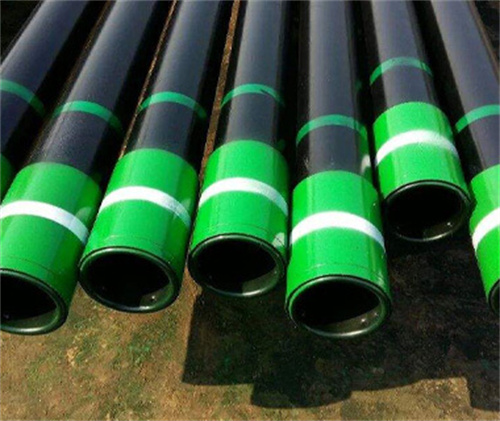
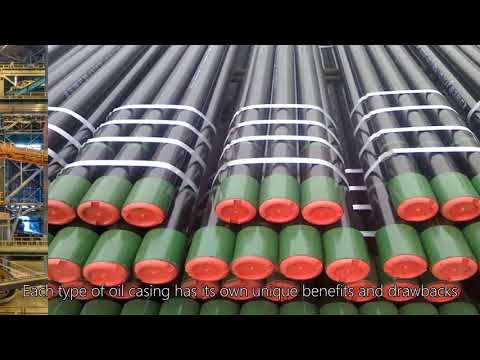
sdr17 Well CasingCommunication systems are another crucial aspect of the technical environment of oil casing emergency response. In the event of an emergency, clear and reliable communication channels are essential for coordinating response efforts and sharing critical information among team members. Advanced communication technologies, such as satellite phones and radio systems, help facilitate effective communication in remote drilling locations where traditional methods may be unreliable.
Furthermore, the integration of automation and remote monitoring technologies has revolutionized emergency response capabilities in the oil drilling industry. Automated systems can detect anomalies in real-time and trigger appropriate responses to prevent emergencies from escalating. Remote monitoring allows operators to oversee drilling operations from a centralized location, enabling swift decision-making and response coordination.
Analyzing the technical environment of oil casing emergency response also involves considering environmental factors that could impact emergency situations. Weather conditions, geological characteristics, and proximity to populated areas are all factors that must be taken into account when developing emergency response plans. Contingency plans should address potential scenarios based on these factors to ensure preparedness for any situation.
 In conclusion, a thorough analysis of the technical environment of oil casing emergency response is essential for maintaining safety and operational efficiency in the oil drilling industry. By evaluating equipment, training personnel, improving communication systems, and leveraging technology, Companies can enhance their emergency response capabilities and minimize the risks associated with drilling operations. Effective emergency response not only protects personnel and the environment but also safeguards the reputation and sustainability of the industry as a whole.