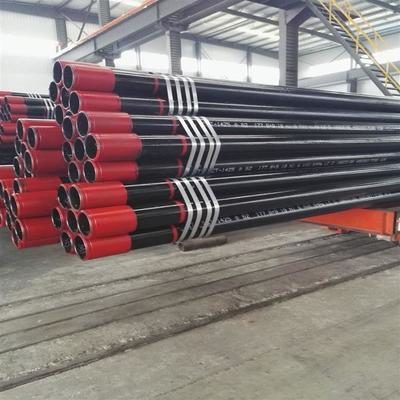
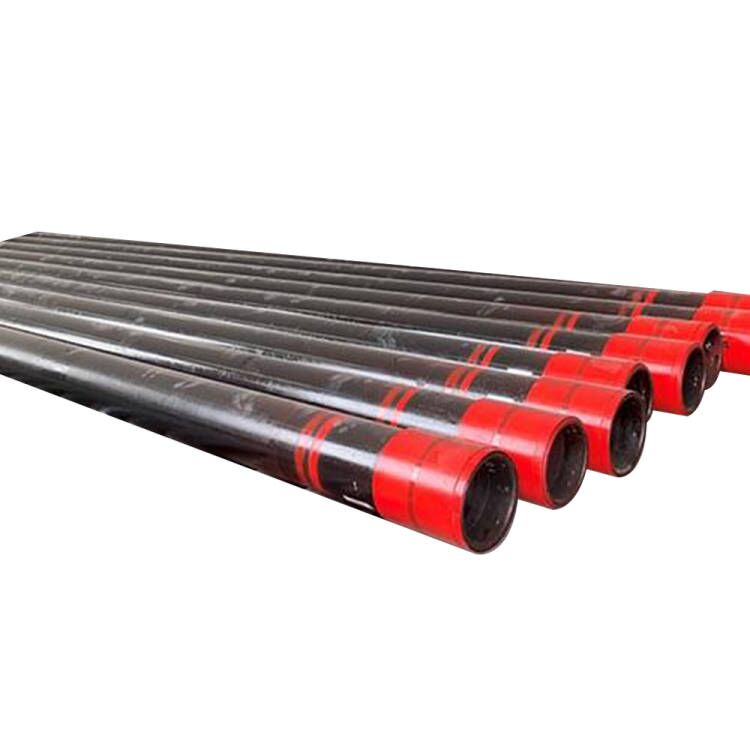
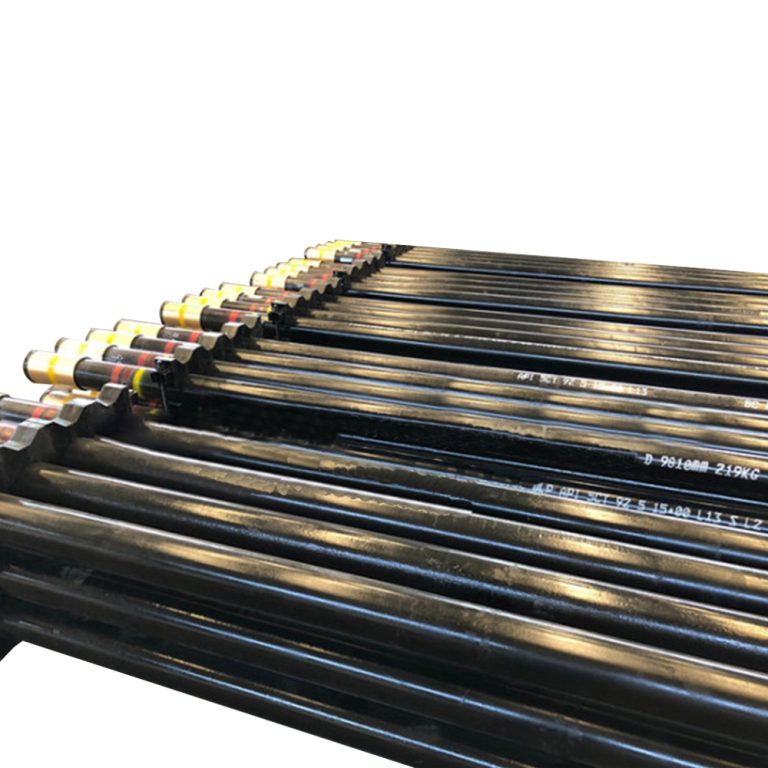
The Importance of Anti-Corrosion Measures in Oil Casing
Oil casing plays a crucial role in the Oil and Gas industry, providing structural support and protection for the wellbore. One of the key challenges faced by oil casing is corrosion, which can significantly impact the integrity and lifespan of the casing. Therefore, implementing effective anti-corrosion measures is essential to ensure the longevity and performance of oil casing in oil and gas operations.
Corrosion in oil casing can be caused by various factors, including exposure to corrosive substances such as hydrogen sulfide and carbon dioxide, high temperatures, and mechanical stress. Left unchecked, corrosion can lead to structural weaknesses, leaks, and ultimately, the failure of the casing, posing serious safety and environmental risks.
To combat corrosion and extend the lifespan of oil casing, a range of anti-corrosion technologies and strategies have been developed and implemented in the industry. One common method is the application of protective coatings on the surface of the casing. These coatings act as a barrier, preventing corrosive substances from coming into direct contact with the metal surface.
In addition to protective coatings, inhibitors are often used to mitigate corrosion in oil casing. Corrosion inhibitors are chemicals that are added to the well fluids to reduce the rate of corrosion on the casing surface. These inhibitors work by forming a protective film on the metal surface, inhibiting the corrosive process.
Cathodic protection is another widely used anti-corrosion technology in oil casing. This method involves the use of sacrificial anodes or impressed current to protect the casing from corrosion. By introducing a more reactive metal into the system, the sacrificial anodes corrode instead of the casing, effectively protecting it from corrosion.
Regular inspection and Maintenance are also critical components of anti-corrosion measures for oil casing. Inspecting the casing for signs of corrosion, such as pitting or rusting, allows operators to identify and address potential issues before they escalate. Routine maintenance, including cleaning and reapplication of protective coatings, helps to ensure the contiNued effectiveness of anti-corrosion measures.
oil casing Best china Companies
Furthermore, advancements in Materials science and technology have led to the development of corrosion-resistant alloys specifically designed for use in oil and gas applications. These alloys offer superior resistance to corrosion in harsh environments, providing an additional layer of protection for oil casing.
In conclusion, anti-corrosion measures are essential for maintaining the integrity and performance of oil casing in the oil and gas industry. By implementing a combination of protective coatings, inhibitors, cathodic protection, regular inspection, and corrosion-resistant alloys, operators can effectively mitigate the risks associated with corrosion and ensure the long-term reliability of their oil casing systems. Investing in anti-corrosion optimization and technologies is not only a prudent business decision but also a critical step in safeguarding the safety and sustainability of oil and gas operations.