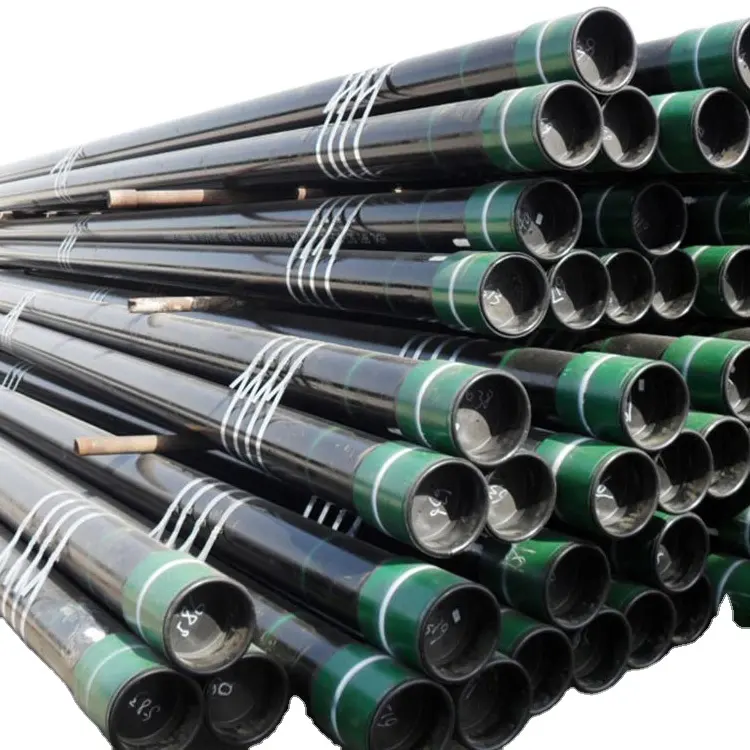
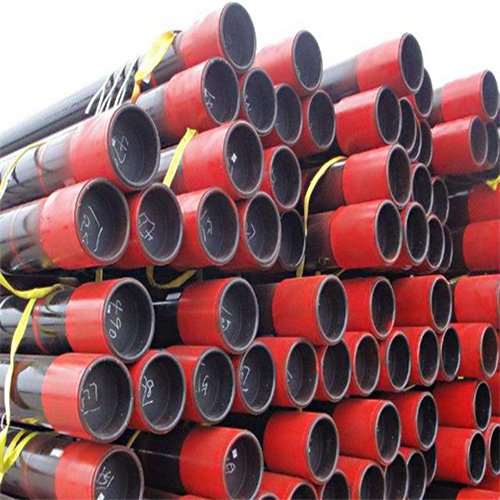
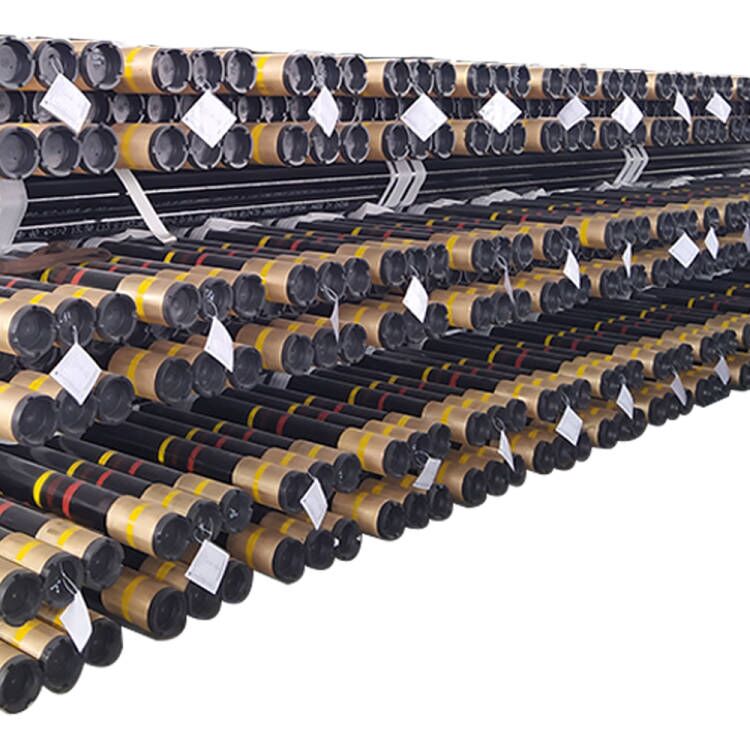
التأثير البيئي وممارسات الاستدامة في تصنيع أغلفة الزيوت
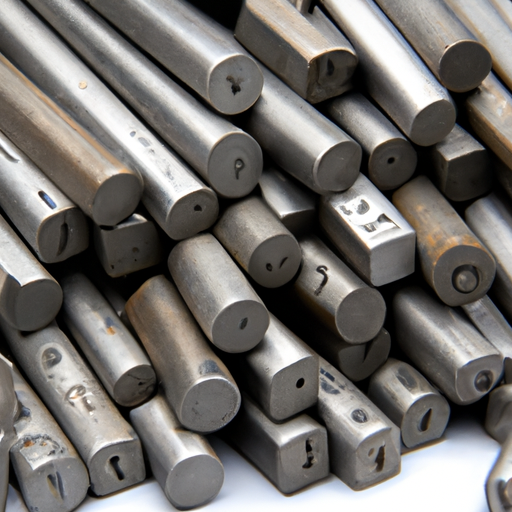
خرطوم خط الزيت من الفولاذ المقاوم للصدأ مضفر PTFE خرطوم وقود الفرامل أنبوب تبريد الزيت أنابيب فضية An4 An6 An8 An10 An12
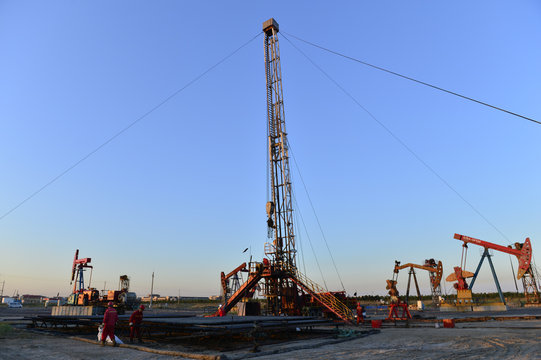
بعيدًا عن مرحلة التصنيع الأولية، فإن استخدام أغلفة النفط في آبار النفط والغاز يشكل تحديات بيئية إضافية. أثناء التشغيل، يتعرض غلاف الزيت لبيئات مسببة للتآكل وضغوط عالية، مما قد يؤدي إلى التسرب والتلوث المحتمل للتربة المحيطة والمياه الجوفية. علاوة على ذلك، فإن استخراج النفط والغاز بحد ذاته ينطوي على تأثيرات بيئية كبيرة، بما في ذلك تعطيل الموائل، واستخدام المياه، وانبعاثات الغازات الدفيئة.
للتخفيف من هذه الآثار البيئية ودعم المسؤولية الاجتماعية، يتبنى أصحاب المصلحة في الصناعة بشكل متزايد ممارسات الاستدامة طوال دورة حياة النفط. غلاف. ويشمل ذلك تنفيذ التقنيات والممارسات التي تهدف إلى تقليل استهلاك الطاقة وانبعاثات الغازات الدفيئة أثناء التصنيع. على سبيل المثال، أدى التقدم في تقنيات إنتاج الصلب إلى تحسين كفاءة استخدام الطاقة وتقليل آثار الكربون.
بالإضافة إلى الاعتبارات البيئية، تشمل المسؤولية الاجتماعية في تصنيع أغلفة النفط مبادرات أخلاقية ومبادرات مجتمعية أوسع. ويشمل ذلك ضمان السلامة في مكان العمل، وتعزيز ممارسات العمل العادلة، ودعم الاقتصادات المحلية حيث تتم أنشطة الاستخراج. من المتوقع بشكل متزايد أن تلتزم الشركات بالمعايير والشهادات الدولية التي تؤكد التزامها بالممارسات التجارية الأخلاقية والمسؤولية الاجتماعية.
علاوة على ذلك، تلعب الشفافية والمساءلة أدوارًا حاسمة في إظهار المسؤولية الاجتماعية داخل صناعة أغلفة النفط. ويطالب أصحاب المصلحة، بما في ذلك المستثمرين والمنظمين والجمهور، برؤية أكبر لممارسات الشركات وتأثيراتها على المجتمعات والبيئة. تعزز هذه الشفافية الثقة وتمكن أصحاب المصلحة من اتخاذ قرارات مستنيرة بشأن مشاركتهم مع شركات النفط والغاز. التأثيرات. توفر الابتكارات في علوم المواد، مثل تطوير مواد أو طبقات بديلة تعزز المتانة وتقلل من التآكل، طرقًا واعدة لتقليل البصمة البيئية لغلاف النفط.
في النهاية، يتطلب تحقيق ممارسات مستدامة في تصنيع أغلفة النفط نهجًا متعدد الأوجه يوازن الابتكار التكنولوجي، والامتثال التنظيمي، وإشراك أصحاب المصلحة. ومن خلال تبني هذه المبادئ، يمكن للصناعة التخفيف من آثارها البيئية، ودعم المعايير الأخلاقية، والمساهمة في تحقيق الهدف الأوسع المتمثل في التنمية المستدامة. مبادئ الإدارة البيئية والمسؤولية الاجتماعية. من خلال اعتماد ممارسات مستدامة وتبني الشفافية، يمكن لصناعة أغلفة النفط التخفيف من تأثيرها البيئي والمساهمة بشكل إيجابي في المجتمعات والنظم البيئية التي تتفاعل معها.
Moreover, the recycling and reuse of Materials have gained prominence as strategies to minimize the environmental footprint of Oil Casing. By reclaiming and repurposing Steel from decommissioned wells and other sources, Manufacturers can reduce the demand for virgin materials and lessen the environmental impact associated with mining and extraction.

In addition to environmental considerations, social responsibility in oil casing manufacturing encompasses broader ethical and community-focused initiatives. This includes ensuring workplace safety, promoting fair labor practices, and supporting local economies where extraction activities occur. Companies are increasingly expected to adhere to international standards and certifications that validate their commitment to ethical business practices and social responsibility.
Furthermore, transparency and accountability play crucial roles in demonstrating social responsibility within the oil casing industry. Stakeholders, including investors, regulators, and the public, demand greater visibility into companies’ practices and their impacts on communities and the environment. This transparency fosters trust and enables stakeholders to make informed decisions about their engagement with Oil and Gas companies.
Looking ahead, the future of oil casing manufacturing will likely be shaped by advancements in technology and evolving regulatory frameworks aimed at promoting sustainability and minimizing environmental impacts. innovations in materials science, such as the development of alternative materials or coatings that enhance durability and reduce corrosion, offer promising aveNues for reducing the environmental footprint of oil casing.
Ultimately, achieving sustainable practices in oil casing manufacturing requires a multifaceted approach that balances technological innovation, regulatory compliance, and stakeholder engagement. By embracing these principles, the industry can mitigate its environmental footprint, uphold ethical standards, and contribute to the broader goal of sustainable development.
In conclusion, while oil casing remains indispensable to global energy infrastructure, its manufacturing and application must be guided by principles of environmental stewardship and social responsibility. By adopting sustainable practices and embracing transparency, the oil casing industry can mitigate its environmental impact and contribute positively to the communities and ecosystems it interacts with.