الاستدامة في تصنيع أغلفة النفط: الابتكارات والاتجاهات
أثر الرقمنة على تصميم وإنتاج أغلفة النفط
غلاف الأنابيب الصين المورد عالية الجودة
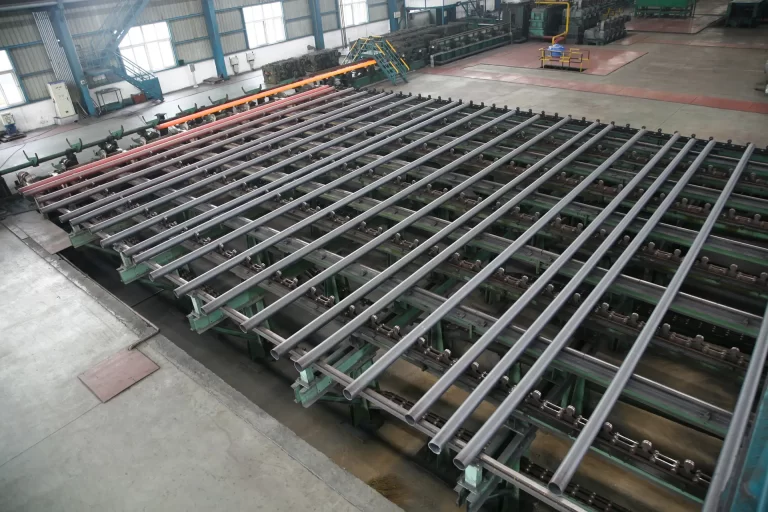
علاوة على ذلك، أحدثت الرقمنة ثورة في عمليات التصنيع، حيث أدخلت الروبوتات المتقدمة وتقنيات التصنيع المضافة. تضمن خطوط الإنتاج الآلية المجهزة بأذرع آلية التصنيع الدقيق لمكونات الغلاف، مما يقلل من الأخطاء البشرية ويحسن كفاءة الإنتاج. يوفر التصنيع الإضافي، أو الطباعة ثلاثية الأبعاد، مرونة لا مثيل لها في النماذج الأولية وإنتاج الدفعات الصغيرة، مما يؤدي إلى تسريع دورات الابتكار وتقليل الوقت اللازم لطرح تصاميم أغلفة النفط الجديدة في السوق.
كما استفاد ضمان الجودة في إنتاج أغلفة النفط بشكل كبير من الرقمنة. تقوم أنظمة المراقبة في الوقت الفعلي المجهزة بأجهزة استشعار بجمع البيانات وتحليلها طوال عملية التصنيع، والكشف عن الحالات الشاذة قبل أن تتفاقم إلى عيوب مكلفة. تعمل خوارزميات التعلم الآلي على تحسين الصيانة التنبؤية، وتحديد أعطال المعدات بشكل استباقي وتحسين وقت التشغيل التشغيلي.
إلى جانب الإنتاج، تمتد عملية الرقمنة إلى العمر التشغيلي لأنظمة تغليف النفط. توفر المستشعرات التي تدعم إنترنت الأشياء والمضمنة داخل الأغلفة مراقبة مستمرة للأداء، وتنقل المقاييس الحيوية مثل درجة الحرارة والضغط ومستويات التآكل إلى أنظمة التحكم المركزية. تعمل هذه البيانات في الوقت الفعلي على تمكين المشغلين من إدارة سلامة الغلاف بشكل استباقي، والتخفيف من مخاطر التسربات أو الأعطال الهيكلية التي يمكن أن تعرض السلامة والاستدامة البيئية للخطر.
علاوة على ذلك، تعزز الرقمنة نهج الاقتصاد الدائري في صناعة النفط والغاز من خلال تحسين إعادة استخدام الغلاف وإعادة تدويره. . تقوم التحليلات المتقدمة بتقييم حالة الغلاف بعد الاستخراج، وتحديد مدى ملاءمته للتجديد أو إعادة التدوير. وهذا يقلل من توليد النفايات واستهلاك المواد الخام، بما يتماشى مع أهداف الاستدامة العالمية مع تحسين التكاليف التشغيلية.
في الختام، فإن تأثير الرقمنة على تصميم أغلفة النفط وإنتاجها عميق ومتعدد الأوجه. من خلال دمج التقنيات المتقدمة – بدءًا من تحليلات البيانات والمحاكاة إلى الروبوتات وإنترنت الأشياء – تعمل الشركات على تعزيز الكفاءة والسلامة والاستدامة طوال دورة حياة الغلاف. مع استمرار الصناعة في التطور، فإن تبني التحول الرقمي لا يضمن القدرة التنافسية فحسب، بل يؤكد أيضًا على الالتزام بالإدارة المسؤولة للموارد والإشراف البيئي. مستنيرًا بالرؤى المستندة إلى البيانات ويتم تمكينه بواسطة التكنولوجيا المتطورة. هل أنت منطقي؟ إن تبني الرقمنة ليس مجرد خيار، بل هو ضرورة لأصحاب المصلحة الذين يهدفون إلى تحقيق الازدهار في عالم مترابط ومتقدم تقنيًا بشكل متزايد.
الآفاق المستقبلية للمواد القابلة لإعادة التدوير في تكنولوجيا تغليف الزيت
يمر غلاف النفط، وهو عنصر حاسم في صناعة النفط والغاز، بتحول تحويلي نحو الاستدامة والكفاءة. مع تطور الطلب العالمي على الطاقة وتزايد المخاوف البيئية، يتوقف مستقبل أغلفة النفط على ترشيد المواد وعمليات التصنيع.
تقليديًا، يتم تصنيع أغلفة النفط في الغالب باستخدام الفولاذ، وهي مادة تُقدر بقوتها ومتانتها. ومع ذلك، فإن هذا الاعتماد على الفولاذ يأتي مع عيوب كبيرة، بما في ذلك تكاليف الإنتاج المرتفعة، والأثر البيئي الناجم عن التعدين والمعالجة، والتحديات في إعادة التدوير والتخلص منه. نظرًا لأن الصناعات في جميع أنحاء العالم تواجه ضغوطًا متزايدة لتبني ممارسات مستدامة، فإن قطاع النفط والغاز يستكشف البدائل التي يمكن أن تخفف من هذه المشكلات دون المساس بالأداء.
أحد السبل الواعدة هو تطوير واستخدام المواد القابلة لإعادة التدوير في تكنولوجيا أغلفة النفط. يستكشف المبتكرون المركبات المتقدمة والبوليمرات وحتى المواد القابلة للتحلل الحيوي التي توفر قوة مماثلة ومقاومة للتآكل للأغلفة الفولاذية التقليدية. لا تقلل هذه المواد من البصمة الكربونية المرتبطة بإنتاج التغليف فحسب، بل تسهل أيضًا إعادة التدوير والتخلص منها بسهولة في نهاية دورة حياتها.
علاوة على ذلك، يتماشى اعتماد المواد القابلة لإعادة التدوير مع اتجاهات الصناعة الأوسع نحو مبادئ الاقتصاد الدائري. ومن خلال تصميم الأغلفة مع أخذ إمكانية إعادة التدوير في الاعتبار، يمكن للمصنعين إنشاء أنظمة حلقة مغلقة حيث يتم إعادة استخدام المواد أو إعادة استخدامها بدلاً من التخلص منها. لا يحافظ هذا النهج على الموارد فحسب، بل يقلل أيضًا من النفايات ويقلل من التأثير البيئي طوال دورة حياة الغلاف.
بالإضافة إلى ابتكار المواد، تعمل التطورات في تقنيات التصنيع أيضًا على تشكيل مستقبل تكنولوجيا غلاف الزيت. لقد برز التصنيع الإضافي، المعروف باسم الطباعة ثلاثية الأبعاد، كوسيلة قابلة للتطبيق لإنتاج تصميمات أغلفة معقدة مع تقليل نفايات المواد. توفر هذه التقنية مرونة أكبر في تخصيص التصميم مع إمكانية خفض تكاليف الإنتاج والمهل الزمنية.
علاوة على ذلك، تعمل الرقمنة والرؤى المستندة إلى البيانات على تحسين أداء الغلاف وطول العمر. من خلال دمج أجهزة الاستشعار وتقنيات إنترنت الأشياء (IoT) في أنظمة التغليف، يمكن للمشغلين مراقبة البيانات في الوقت الفعلي مثل درجة الحرارة والضغط ومستويات التآكل. يتيح هذا النهج الاستباقي الاكتشاف المبكر للمشكلات المحتملة، ويعزز الكفاءة التشغيلية، ويطيل عمر مواد التغليف.
مع استمرار الصناعة في التطور، يدرك أصحاب المصلحة بشكل متزايد أهمية التعاون وتبادل المعرفة. تكتسب المبادرات التي تهدف إلى توحيد المواد القابلة لإعادة التدوير وتعزيز الممارسات المستدامة في تكنولوجيا أغلفة النفط زخمًا. تعمل جمعيات الصناعة والمؤسسات البحثية والحكومات بنشاط على تعزيز البحث والتطوير في هذا المجال، وتعزيز الابتكار ودفع اعتماد حلول صديقة للبيئة.
وبالنظر إلى المستقبل، تبدو الآفاق المستقبلية للمواد القابلة لإعادة التدوير في تكنولوجيا أغلفة النفط واعدة ولكنها تتطلب تضافرًا. الجهود من كافة الجهات المعنية. يجب على الشركات المصنعة مواصلة الاستثمار في البحث والتطوير لتحسين المواد القابلة لإعادة التدوير وتحسين عمليات التصنيع. يجب أن يتعاون المشغلون والمنظمون لوضع معايير وإرشادات تعزز اعتماد حلول الغلاف المستدامة دون المساس بالسلامة أو الأداء.
وفي الختام، فإن ترشيد مستقبل أغلفة النفط من خلال المواد القابلة لإعادة التدوير يمثل خطوة مهمة نحو الاستدامة والكفاءة في صناعة النفط والغاز. من خلال تبني الابتكار والتعاون والإدارة المسؤولة للموارد، يمكن لأصحاب المصلحة التوجه نحو مستقبل لا تلبي فيه تكنولوجيا أغلفة النفط التوقعات البيئية فحسب، بل تتجاوزها مع دعم احتياجات الطاقة العالمية.
Casing Pipe china high–grade Supplier
Moreover, digitalization has revolutionized manufacturing processes, introducing advanced robotics and additive manufacturing techniques. Automated production lines equipped with robotic arms ensure precise fabrication of casing components, minimizing human error and optimizing production efficiency. Additive manufacturing, or 3D printing, offers unparalleled flexibility in prototyping and small-batch production, accelerating innovation cycles and reducing time-to-market for new casing designs.
Quality assurance in Oil Casing production has also benefited immensely from digitalization. Real-time monitoring systems equipped with sensors collect and analyze data throughout the manufacturing process, detecting anomalies before they escalate into costly defects. Machine learning algorithms further enhance predictive Maintenance, preemptively identifying equipment failures and optimizing operational uptime.
Beyond production, digitalization extends into the operational lifespan of oil casing systems. IoT-enabled sensors embedded within casings provide continuous performance monitoring, transmitting vital metrics such as temperature, pressure, and corrosion levels to centralized control systems. This real-time data empowers operators to proactively manage casing integrity, mitigating risks of leaks or structural failures that could compromise safety and environmental sustainability.
Furthermore, digitalization fosters a circular economy approach within the Oil and Gas industry by optimizing casing reuse and recycling. Advanced analytics evaluate casing condition post-extraction, determining suitability for refurbishment or recycling. This reduces waste generation and raw Material consumption, aligning with global sustainability goals while optimizing operational costs.
In conclusion, the impact of digitalization on oil casing design and production is profound and multifaceted. By integrating advanced technologies—from data analytics and simulation to robotics and IoT—Companies enhance efficiency, safety, and sustainability throughout the casing lifecycle. As the industry contiNues to evolve, embracing digital transformation not only ensures competitiveness but also underscores a commitment to responsible resource management and environmental stewardship.
The future of oil casing is indeed rationalizing through digitalization, where every decision, from exploration to decommissioning, is informed by data-driven insights and enabled by cutting-edge technology. Are you making sense? Embracing digitalization isn’t just a choice but a necessity for stakeholders aiming to thrive in an increasingly interconnected and technologically advanced world.
Future Prospects of Recyclable Materials in Oil Casing Technology
Oil casing, a critical component in the oil and gas industry, is undergoing a transformative shift towards sustainability and efficiency. As global energy demands evolve and environmental concerns intensify, the future of oil casing hinges on rationalizing its materials and manufacturing processes.
Traditionally, oil casing has been predominantly manufactured using Steel, a material valued for its strength and durability. However, this reliance on steel comes with significant drawbacks, including high production costs, environmental impact from mining and processing, and challenges in recycling and disposal. As industries worldwide face increasing pressure to adopt sustainable practices, the oil and gas sector is exploring alternatives that can mitigate these issues without compromising performance.
One promising avenue is the development and utilization of recyclable materials in oil casing technology. Innovators are exploring advanced composites, polymers, and even biodegradable materials that offer comparable strength and Corrosion resistance to traditional steel casings. These materials not only reduce the carbon footprint associated with casing production but also facilitate easier recycling and disposal at the end of their lifecycle.
Moreover, the adoption of recyclable materials aligns with broader industry trends towards circular economy principles. By designing casings with recyclability in mind, Manufacturers can create closed-loop systems where materials are reused or repurposed rather than discarded. This approach not only conserves resources but also minimizes waste and reduces environmental impact throughout the casing’s lifecycle.
In addition to material innovation, advancements in manufacturing techniques are also sh APIng the future of oil casing technology. Additive manufacturing, commonly known as 3D printing, has emerged as a viable method for producing complex casing designs with reduced material waste. This technology offers greater flexibility in design customization while potentially lowering production costs and lead times.
Furthermore, digitalization and data-driven insights are optimizing casing performance and longevity. By integrating sensors and IoT (Internet of Things) technologies into casing systems, operators can monitor real-time data such as temperature, pressure, and corrosion levels. This proactive approach enables early detection of potential issues, enhances operational efficiency, and extends the lifespan of casing materials.
As the industry continues to evolve, stakeholders are increasingly recognizing the importance of collaboration and knowledge sharing. Initiatives aimed at standardizing recyclable materials and advancing sustainable practices in oil casing technology are gaining traction. Industry associations, research institutions, and governments are actively promoting research and development in this area, fostering innovation and driving the adoption of eco-friendly solutions.
Looking ahead, the future prospects of recyclable materials in oil casing technology appear promising but require concerted efforts from all stakeholders. Manufacturers must continue to invest in research and development to refine recyclable materials and optimize manufacturing processes. Operators and regulators must collaborate to establish standards and guidelines that promote the adoption of sustainable casing solutions without compromising safety or performance.
In conclusion, the rationalization of oil casing’s future through recyclable materials represents a significant step towards sustainability and efficiency in the oil and gas industry. By embracing innovation, collaboration, and responsible stewardship of resources, stakeholders can navigate towards a future where oil casing technology not only meets but exceeds environmental expectations while supporting global energy needs.