استكشاف تحديد واختيار غلاف الزيت المضاد للتآكل: أفضل الممارسات وأحدث الأساليب
يعد تحديد واختيار غلاف الزيت المضاد للتآكل عملية حاسمة في صناعة النفط والغاز. وهو يتضمن اختيار المواد المناسبة لإنشاء نظام دفاعي يحمي الغلاف من المواد المسببة للتآكل، ويحمي الهيكل والبيئة. الهدف السائد هو ضمان طول عمر الغلاف، وبالتالي ضمان عمليات استخراج الزيت بسلاسة.
بدءًا بالأساسيات، من الضروري فهم المعلمات التي تساهم في التآكل، مما يؤدي إلى تصميم فعال مضاد للتآكل. يعد الماء والأكسجين وثاني أكسيد الكربون وكبريتيد الهيدروجين والبكتيريا من العوامل الشائعة المسببة للتآكل في غلاف الزيت. وتفاعلها المستمر مع المعادن يؤدي إلى تدهورها مع مرور الوقت؛ ومن ثم هناك حاجة إلى تدابير فعالة لمكافحة التآكل.
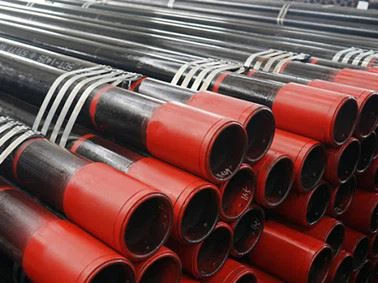
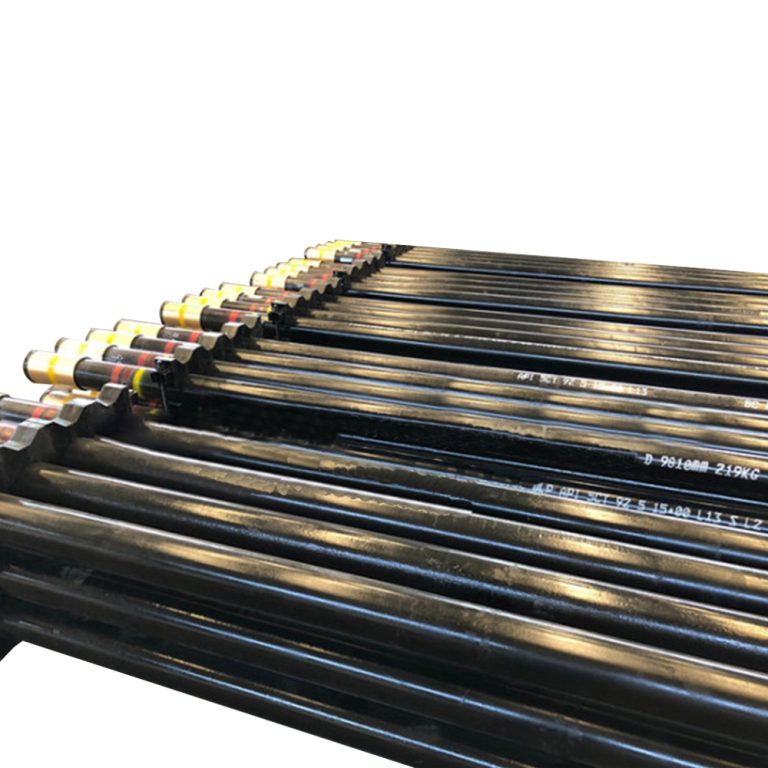
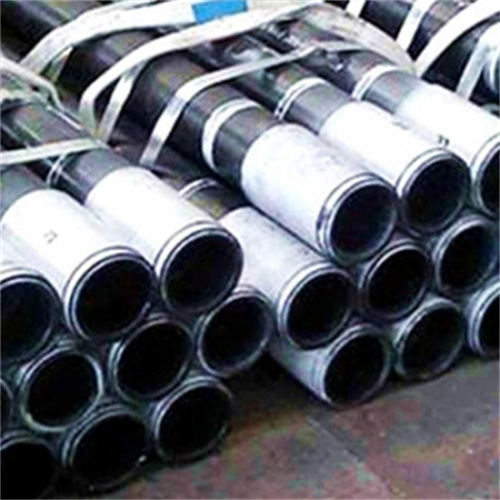
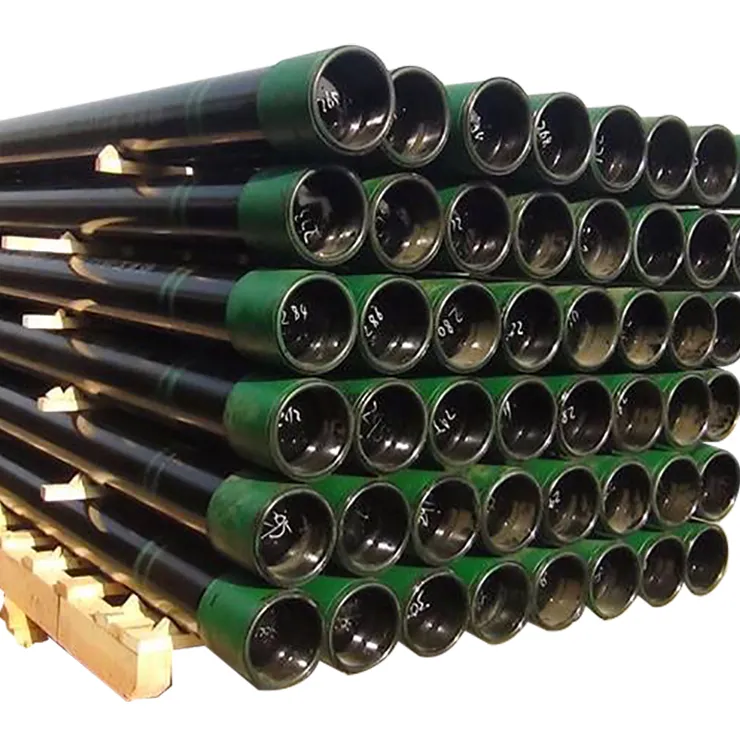
أنبوب غلاف الحفر
ومن ناحية أخرى، فإن الحماية الكاثودية هي تقنية كهروكيميائية تعمل على تخفيف التآكل عن طريق جعل الغلاف كاثودًا في الخلية الكهروكيميائية. يوجد نوعان من الحماية الكاثودية: التيار الكلفاني والتيار المؤثر. تستخدم الحماية الكاثودية الجلفانية أنودًا مضحيًا، والذي، نظرًا لكونه أقل نبلًا، يتآكل أولاً لحماية الغلاف. تستخدم الحماية الكاثودية الحالية مصدر طاقة خارجي لدفع التدفق المطلوب للتيار، مما يوفر تحكمًا أكبر في نظام الحماية.
أحدث إضافة إلى أساليب مكافحة التآكل هي السبائك المقاومة للتآكل (CRAs). هذه مواد مصممة خصيصًا وتتميز بمقاومة عالية للتآكل. وهي تشمل مجموعة من الفولاذ المقاوم للصدأ وسبائك النيكل والتيتانيوم والزركونيوم. في حين أن هذه السبائك فعالة للغاية، فهي أيضًا الخيار الأكثر تكلفة.
يعتمد اختيار الطريقة المناسبة لمكافحة التآكل على عوامل مختلفة مثل نوع وشدة العوامل المسببة للتآكل الموجودة، ودرجة حرارة التشغيل، ودورة الحياة المتوقعة للغلاف، و قيود الميزانية.
بالنظر إلى المستقبل، تحمل التطورات في تكنولوجيا النانو إمكانات واعدة في قطاع مكافحة التآكل. وتجري الأبحاث على الطلاءات النانوية، على وجه الخصوص، لقدراتها غير المسبوقة على تثبيط التآكل. من المتوقع أنه مع استمرار البحث والتطوير في هذا المجال، قد تصبح هذه الحلول عالية الأداء أكثر فعالية من حيث التكلفة وبالتالي يمكن الوصول إليها بشكل أكبر للاستخدام الصناعي على نطاق أوسع.
في الختام، يعد تحديد واختيار غلاف الزيت المضاد للتآكل أمرًا ضروريًا عملية صنع القرار متعددة الأوجه تتطلب فهمًا واسعًا وعميقًا للعوامل المسببة للتآكل وطرق الحماية وظروف التشغيل والعوامل الاقتصادية. مع تقدم الصناعة نحو التقدم التكنولوجي، سيصبح اختيار الأساليب المناسبة لمكافحة التآكل أكثر تعقيدًا، ولكنه بلا شك أكثر كفاءة.
في أي طريقة تختار المؤسسة نشرها، يجب أن يدور الهدف الأساسي دائمًا حول تعزيز طول عمر المنتج. غلاف النفط، مما يساهم في نهاية المطاف في عملية أكثر استدامة واقتصادية. تذكر أن الاختيار الذي تم اتخاذه اليوم لن يؤثر على الأداء الفوري فحسب، بل سيحدد أيضًا نجاح المنشأة وربحيتها على المدى الطويل.
Protective coatings and liners are widely used for their cost-effectiveness and ease of application. A chemical compound, typically epoxy, is applied over the Casing‘s surface serving as a physical barrier that inhibits corrosion. Further advancements in this domain have led to the development of organic and inorganic coatings which caters to specific environmental conditions.

Cathodic protection, on the other hand, is an electrochemical technique which mitigates corrosion by making the casing a cathode in an electrochemical cell. Two types of cathodic protection exist: galvanic and impressed current. Galvanic cathodic protection uses a sacrificial anode which, being less noble, corrodes first protecting the casing. Impressed current cathodic protection uses an external power source to drive the required flow of current, offering greater control over the protection system.
The latest addition to the anti-corrosion methods are Corrosion Resistant Alloys (CRAs). These are specially formulated Materials with high resistance to corrosion. They include a range of Stainless Steels, nickel alloys, titanium and zirconium. While these alloys are highly effective, they are also the most expensive option.
Selection of the right anti-corrosion method depends on various factors such as the type and intensity of corrosive agents present, operating temperature, expected lifecycle of the casing, and budget constraints.
Looking at the future, advancements in nanotechnology hold promising potentials in the anti-corrosion sector. Nanocoatings, in particular, are being researched for their unprecedented corrosion inhibition capacities. It is anticipated that with continual R&D in this area, these high-performance solutions might become more cost-effective and thus, more accessible for wider industry use.
In conclusion, anti-corrosion designating and choosing of Oil Casing is a multifaceted decision-making process necessitating a broad and deep understanding of corrosive agents, protection methods, operating conditions, and economic factors. As the industry marches towards technological advancements, the selection of suitable anti-corrosion methods will become more complex but, undoubtedly, more efficient.
In whatever method an enterprise chooses to deploy, the underlying goal should always revolve around enhancing the longevity of the oil casing, ultimately contributing to a more sustainable and economical operation. Remember, the choice made today will not only affect the immediate performance but also determine the long-term success and profitability of the facility.