Exploring Anti-Corrosion Designating and Choosing of Oil Casing: Best Practices and Latest Methods
Anti-corrosion designating and choosing of oil casing is a critical process in the Oil and Gas industry. It involves selecting appropriate Materials to create a defensive system that shields the casing against corrosive substances, safeguarding both the structure and the environment. The predominant goal is to ensure the longevity of the casing, thereby ensuring Smooth oil extraction operations.
Beginning with the basics, it’s vital to understand the parameters that contribute to corrosion, resulting in an efficient anti-corrosion design. Water, oxygen, carbon dioxide, hydrogen sulphide and bacteria are common corrosion-triggering agents in oil casing. Their continuous interaction with metals causes them to deteriorate over time; hence effective anti-corrosion measures are needed.
Several methods have been developed to counter these issues. Ideally, anti-corrosion strategies aim at creating barriers between corrosive substances and metal surfaces. Some popular methods include the use of protective coatings and liners, cathodic protection, and the use of corrosion-resistant alloys (CRAs).
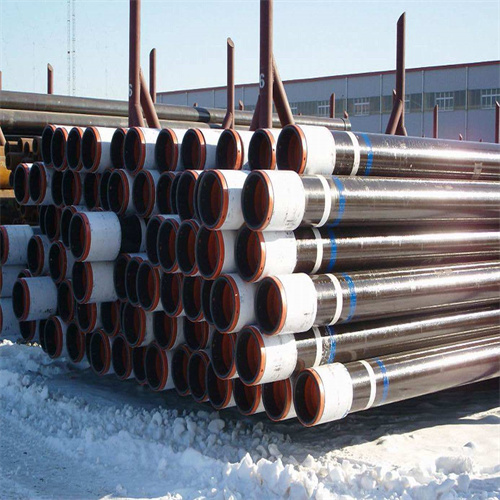
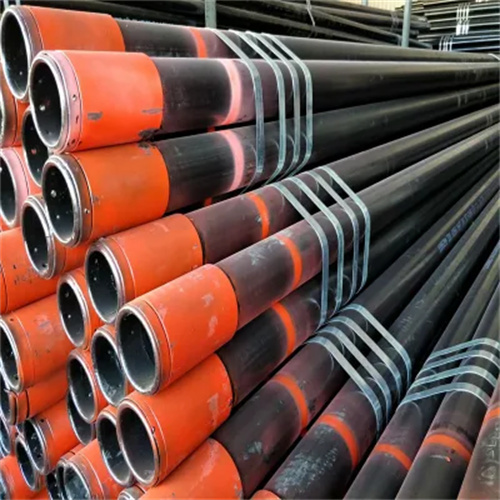
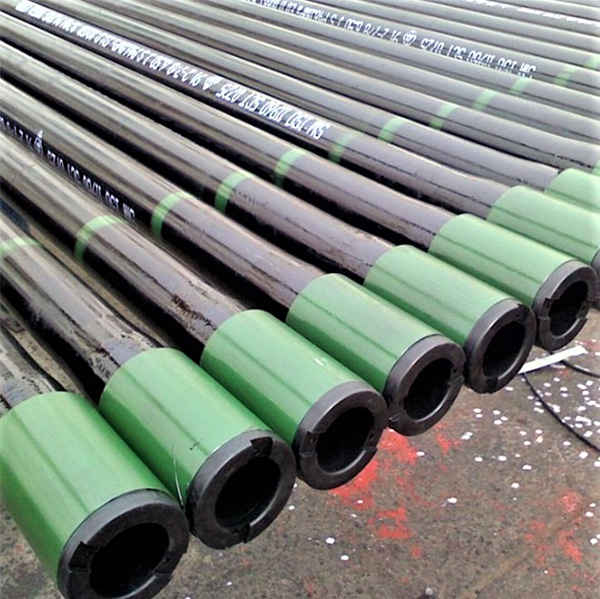
drilling casing Pipe
Protective coatings and liners are widely used for their cost-effectiveness and ease of application. A chemical compound, typically epoxy, is applied over the casing’s surface serving as a physical barrier that inhibits corrosion. Further advancements in this domain have led to the development of organic and inorganic coatings which caters to specific environmental conditions.

Cathodic protection, on the other hand, is an electrochemical technique which mitigates corrosion by making the casing a cathode in an electrochemical cell. Two types of cathodic protection exist: galvanic and impressed current. Galvanic cathodic protection uses a sacrificial anode which, being less noble, corrodes first protecting the casing. Impressed current cathodic protection uses an external power source to drive the required flow of current, offering greater control over the protection system.
The latest addition to the anti-corrosion methods are Corrosion Resistant Alloys (CRAs). These are specially formulated materials with high resistance to corrosion. They include a range of Stainless Steels, nickel alloys, titanium and zirconium. While these alloys are highly effective, they are also the most expensive option.
Selection of the right anti-corrosion method depends on various factors such as the type and intensity of corrosive agents present, operating temperature, expected lifecycle of the casing, and budget constraints.
Looking at the future, advancements in nanotechnology hold promising potentials in the anti-corrosion sector. Nanocoatings, in particular, are being researched for their unprecedented corrosion inhibition capacities. It is anticipated that with continual R&D in this area, these high-performance solutions might become more cost-effective and thus, more accessible for wider industry use.
In conclusion, anti-corrosion designating and choosing of oil casing is a multifaceted decision-making process necessitating a broad and deep understanding of corrosive agents, protection methods, operating conditions, and economic factors. As the industry marches towards technological advancements, the selection of suitable anti-corrosion methods will become more complex but, undoubtedly, more efficient.
In whatever method an enterprise chooses to deploy, the underlying goal should always revolve around enhancing the longevity of the oil casing, ultimately contributing to a more sustainable and economical operation. Remember, the choice made today will not only affect the immediate performance but also determine the long-term success and profitability of the facility.